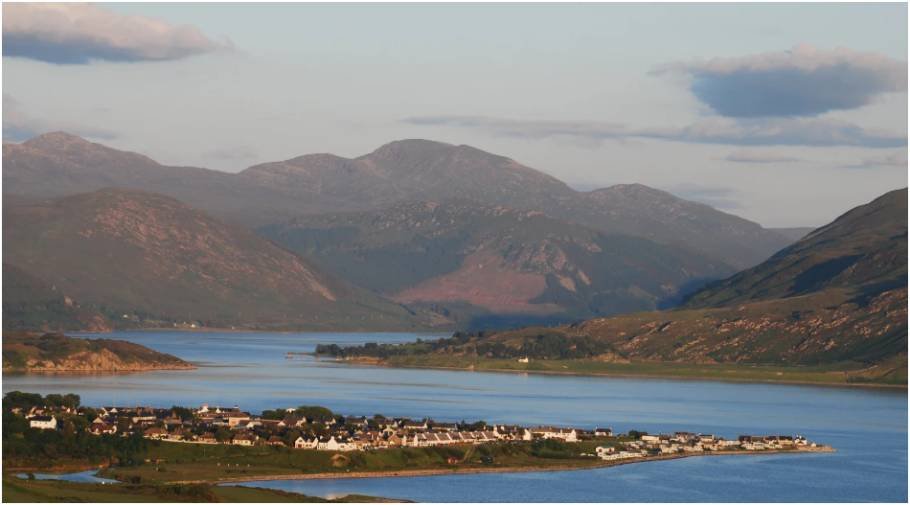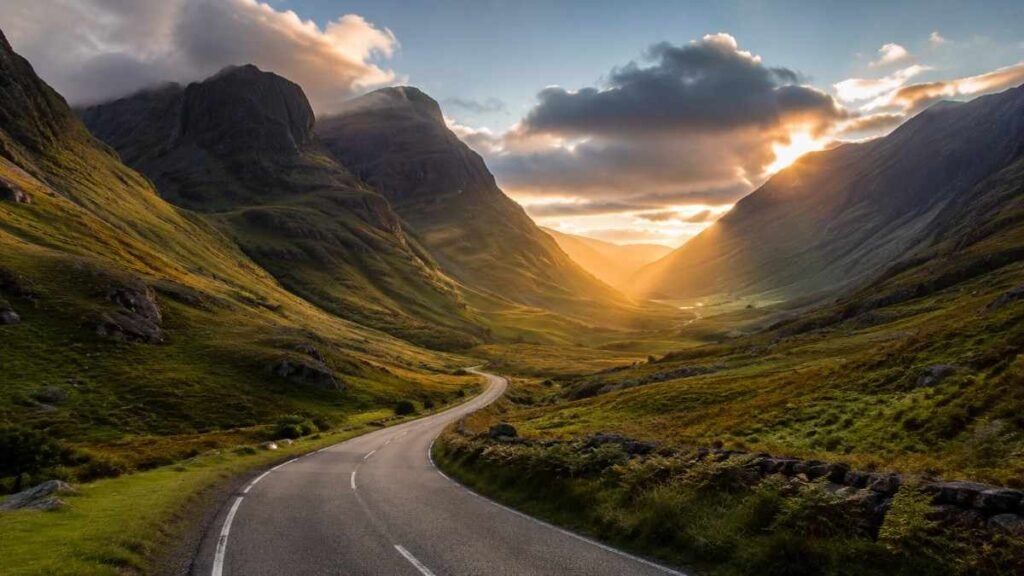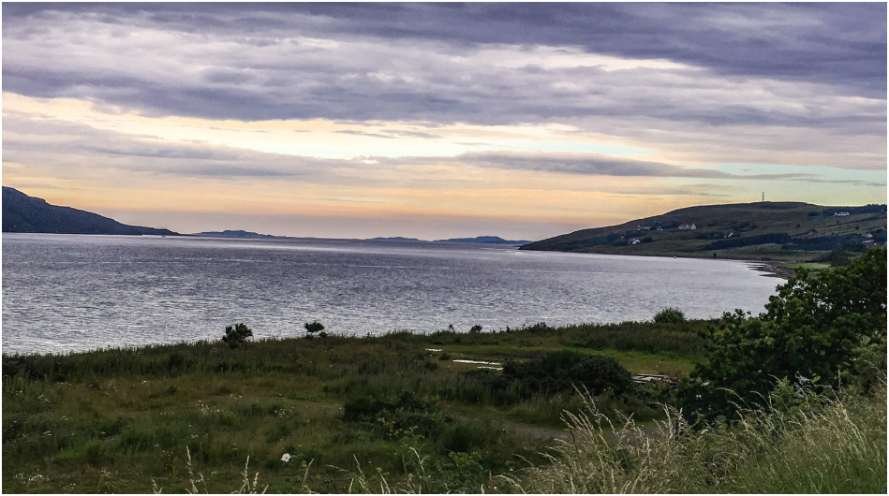
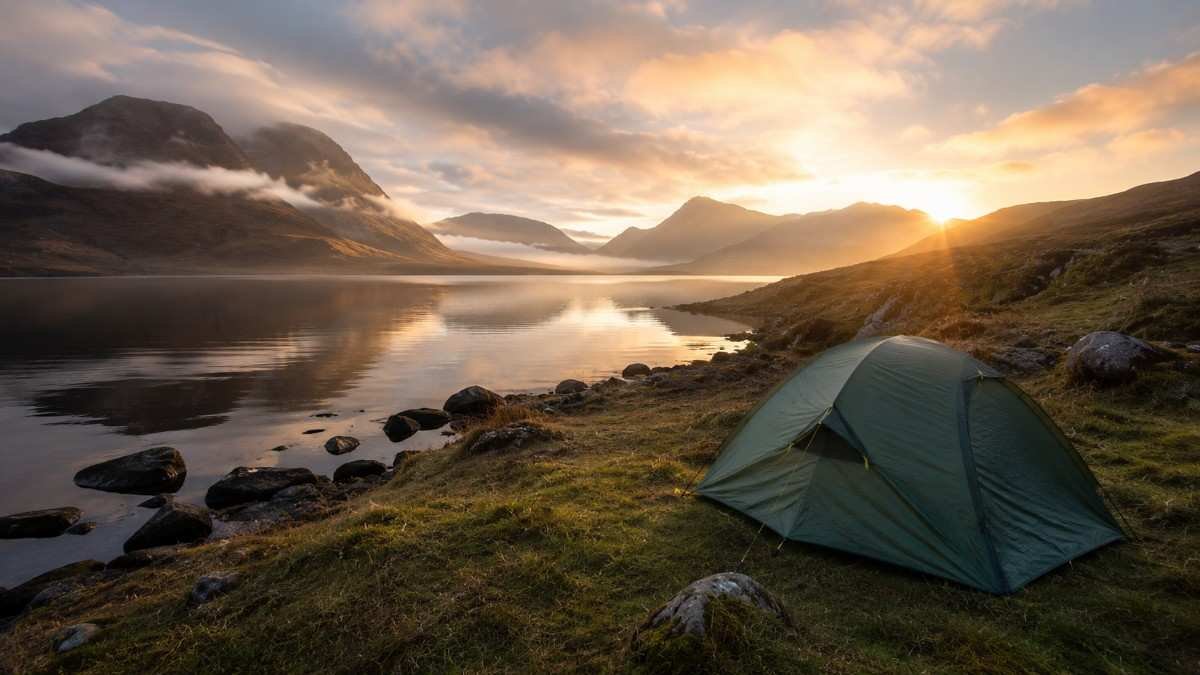
Misty lochs, quiet glens, and a tent tucked beneath a huge Highland sky make wild camping Scottish highlands feel like the kind of trip my outdoor-loving friends never stop talking about. It is peaceful, affordable, adventurous, and wonderfully simple, as long as you know the rules before you pitch.
Key Takeaways
- Camp lightly.
- Stay two or three nights maximum.
- Avoid enclosed land.
- Use a stove, not fires.
- Leave every Highland place cleaner than you found it.
Know The Legal Basics
Scotland is one of the best places in Europe for responsible wild camping, but freedom here comes with clear expectations.
The Law Behind The Freedom
Wild camping in the Scottish Highlands is generally legal on most unenclosed land under the Land Reform (Scotland) Act 2003. This law supports responsible access to hills, moors, forests, beaches, and open countryside.
That does not mean camping anywhere without thought. The access right is designed for lightweight travel on foot, by bike, or by non-motorized means. It does not cover campervans, cars, or motorhomes parked overnight.
What Responsible Camping Means
Responsible camping means arriving quietly, using a small tent, staying briefly, and leaving no trace. The Scottish Outdoor Access Code recommends camping in small numbers and staying no more than two or three nights in one place.
Avoid enclosed fields, crops, livestock areas, private gardens, and places close to buildings. A good Highland camp should feel almost invisible by morning.
Follow The Golden Rules
The Scottish Outdoor Access Code is your best friend in the Highlands, especially if this is your first trip.
Where You Can Pitch
Most hills, moors, open forests, remote beaches, and rough grazing areas are open to responsible wild camping. Places like Sutherland, Assynt, Cairngorms, and parts of the West Highlands offer dramatic scenery and quiet pitches.
Look for durable ground, natural shelter, and a spot away from paths, roads, water edges, homes, and farm activity. The best pitch is safe, discreet, and easy to restore.
Where You Should Not Camp
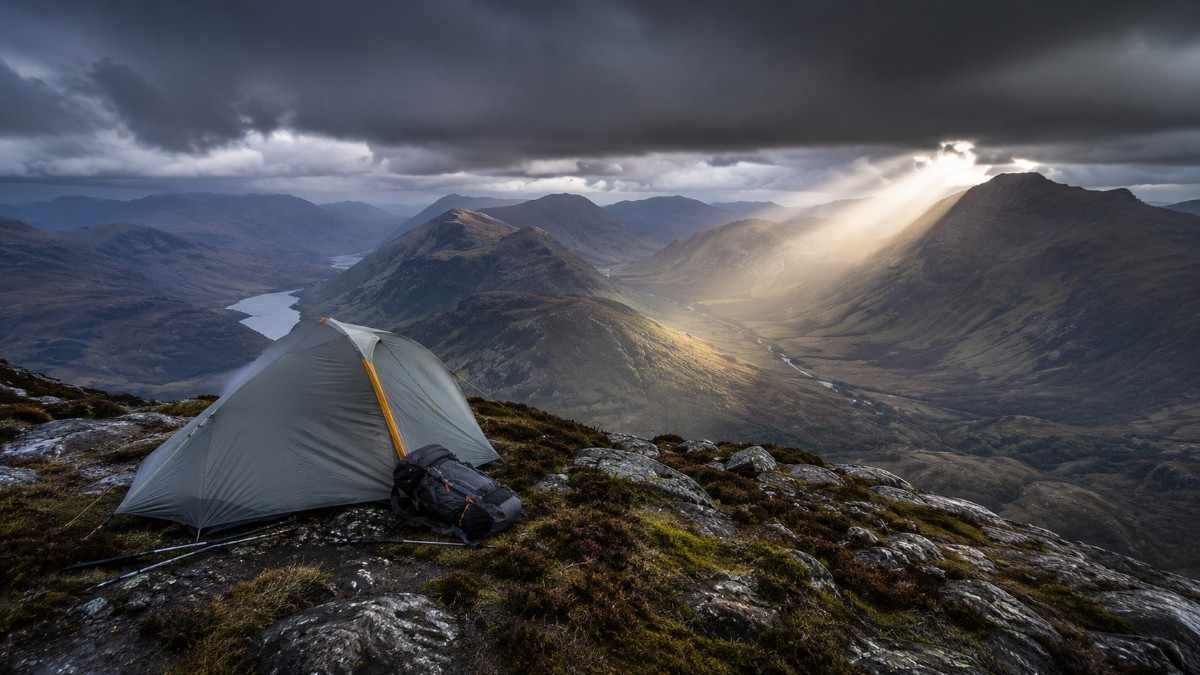
Do not camp in enclosed fields with crops or livestock, near houses, in working farmyards, on sports fields, or beside busy roads. These places may look convenient, but they are not suitable for responsible wild camping.
The right to roam also excludes motorized vehicles. If you are travelling by campervan, use campsites, official stopovers, or approved parking areas instead of treating roadside pull-offs as camps.
Local Permit Zones
Loch Lomond & The Trossachs National Park has camping management zones where permits are required between March and September. This is important for anyone walking the West Highland Way or starting a Highland road trip nearby.
Always check official local rules before travelling. Restrictions may change because of visitor pressure, fire risk, conservation work, or seasonal land management.
Choose Great Highland Spots
The best Highland wild camping areas combine scenery, access, safety, and space to camp responsibly.
Fisherfield Forest
Fisherfield Forest, especially around Gleann na Muice, is one of Scotland’s most remote and rugged camping landscapes. It offers sweeping views towards An Teallach, open ground, and a true sense of wilderness.
This area suits experienced walkers more than casual beginners. Routes are long, weather can change quickly, and phone signals may be poor. Pack carefully and leave a route plan with someone you trust.
Sheigra Bay
Sheigra Bay in Sutherland is a beautiful coastal option near the far northern edge of the Highlands. It has sea views, open skies, and a peaceful atmosphere that feels far from busy tourist routes.
Because coastal ground can be fragile, choose your pitch with care. Avoid dunes, nesting areas, livestock, and private land. Keep your stay short and remove every scrap of waste.
Glen Feshie
Glen Feshie in the Cairngorms is loved for its old Caledonian pine forest, shifting river channels, and mountain views. It feels wild but has a classic walk-in camping character.
River levels can rise fast after rain, so do not pitch too close to water. Camp on durable ground, protect tree roots, and avoid disturbing wildlife in this sensitive forest landscape.
The West Highland Way
The West Highland Way runs from Milngavie to Fort William and is a popular long-distance route for backpackers. It offers classic Highland scenery, from lochs and forests to glens and mountain passes.
Because it is busy, you need extra care. Use campsites when areas feel crowded, follow permit rules near Loch Lomond, and never leave litter or food waste at informal camping spots.
Plan A Smooth Trip
A good wild camping Scottish highlands adventure is not about luck. It is about planning lightly, moving respectfully, and staying flexible.
Step One: Pick A Realistic Route
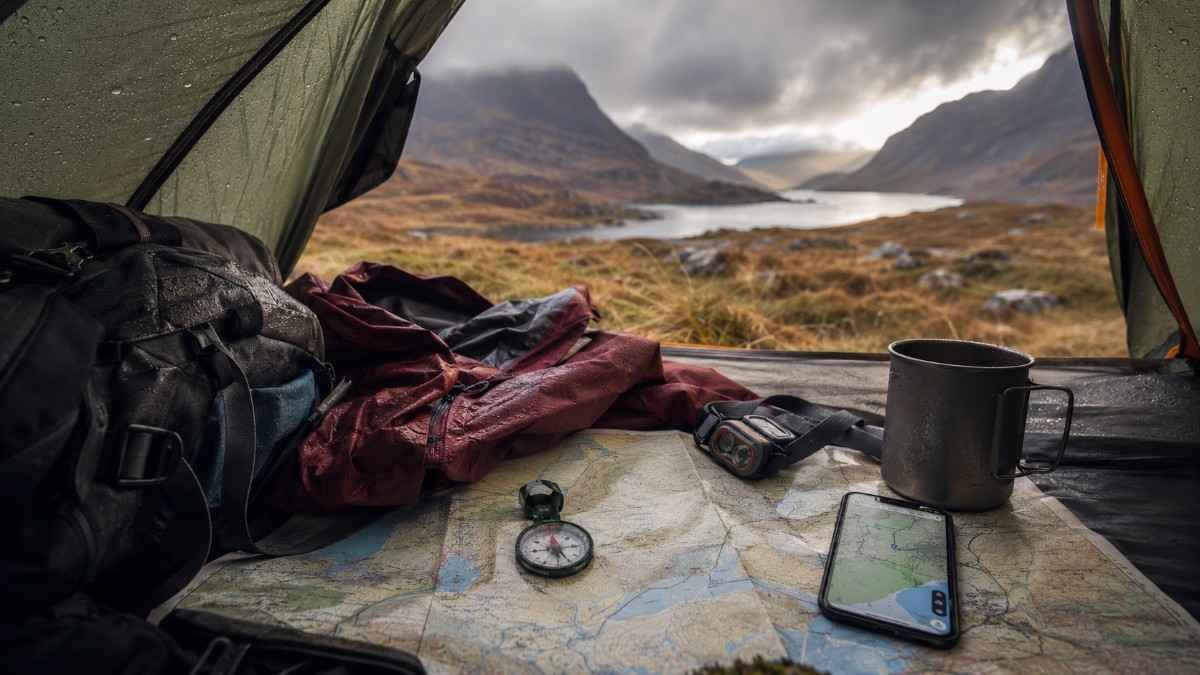
Start by choosing a route that matches your fitness, experience, daylight, and transport. Check distance, elevation, water sources, escape routes, and nearby villages before packing.
Do not rely on one dream pitch. Mark two or three possible camping areas so you can adapt if the ground is wet, windy, crowded, or unsuitable.
Step Two: Pack For Midges
Highland midges can be relentless from May to September, especially in still, damp weather around sunrise and sunset. A fine head net can turn a miserable evening into a comfortable one.
Bring reliable insect repellent, long sleeves, and patience. Breezy pitches are usually better than sheltered, boggy spots when midges are active.
Step Three: Prepare For Weather
Highland weather changes fast. Sunshine can turn into rain, fog, or strong wind within minutes, especially in mountain areas like the Cairngorms, Torridon, or Glencoe.
Carry clothing to the Highlands that are waterproof, warm layers, dry sleep clothes, gloves, a hat, and a tent strong enough for wind. Synthetic or merino layers work well because they stay useful in damp conditions.
Camp Clean And Safe
Small habits make the biggest difference to the Highlands and to your own comfort.
Use Water Wisely
Streams and lochs often look clean, but a water filter is still a smart choice. Try to collect water near the source and avoid places downstream of farms, grazing animals, buildings, or heavy foot traffic.
Camp at least 30 metres from water where possible. This protects water quality and gives wildlife space to move naturally along loch edges and burns.
Handle Waste Properly
Bring a small trowel for human waste and bury it well away from water, paths, camps, and buildings. Pack out toilet paper, wipes, sanitary products, and all food scraps.
Biodegradable does not mean invisible. Orange peels, tea bags, and crumbs still damage the wild feeling and attract animals to camping areas.
Choose Stoves Over Fires
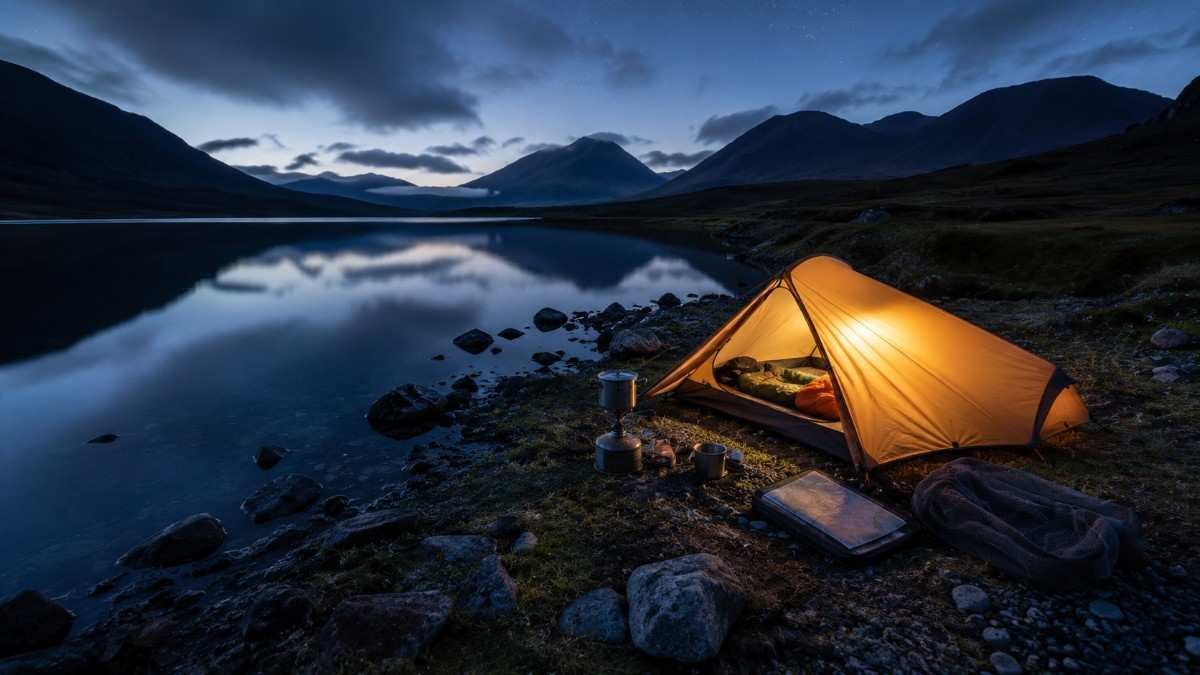
Open campfires are discouraged in many Highland landscapes, especially dry grassland, woodland, and sensitive peatland. A camping stove is safer, cleaner, faster, and easier to manage.
Never light fires during dry spells or windy weather. Scorched ground, leftover ash, and damaged turf are clear signs of poor camping practice.
Respect Highland Life
The Scottish Highlands are wild, but they are not empty. People, wildlife, history, and working land all share the same space.
Support Local Communities
Buy food from village shops, stop at local cafes, pay for campsites between wild nights, and use public transport where possible. Responsible travellers help small Highland communities benefit from tourism.
Be polite around homes, crofts, and farms. Close gates, keep noise low, and park only where it is safe and allowed.
Protect Wildlife
Red deer, golden eagles, mountain hares, pine martens, seabirds, and ground-nesting birds all live in Highland landscapes. Spring and early summer are especially sensitive seasons.
Keep dogs under close control near livestock and wildlife. A quiet camp should be quiet for animals too, not just for other hikers.
Frequently Asked Questions
1. Is Wild Camping Allowed In Scottish Highlands?
Yes, wild camping Scottish highlands is allowed on most unenclosed land when done responsibly, with lightweight gear, short stays, small groups, and full respect for the Outdoor Access Code.
2. Can You Wild Camp In Scotland For Free?
Yes, you can usually wild camp in Scotland for free, but some managed areas, including Loch Lomond permit zones, charge during certain months and require advance planning.
3. Where In Scotland Can You Wild Camp?
You can wild camp across many hills, moors, forests, and beaches in Scotland, including parts of the Highlands, provided you avoid enclosed land, homes, crops, and restricted zones.
4. Can You Have A Campfire Wild Camping In Scotland?
A campfire is not recommended because Highland peat, woodland, and dry grass can be easily damaged. Use a camping stove instead and follow all local fire warnings.
Pitch Perfect, Leave Perfect
Wild camping Scottish highlands is unforgettable because it gives you quiet moments most travellers miss: lochs at sunrise, deer on distant slopes, and stars above a silent glen. Keep it legal, light, and respectful. Plan your route, pack for weather, avoid fires, handle waste properly, and leave the Highlands ready to welcome the next careful camper.