Some of the strongest memories people carry from a place are tied to food. Long after landmarks fade from memory, the smell of fresh bread from a neighborhood bakery, a family recipe served during holidays, or a dish prepared at a local festival often remains vivid.
Food has a way of connecting people to a place more deeply than almost anything else.
That connection goes far beyond taste. The foods that define local culture tell stories about a region’s history, geography, values, and traditions. Every ingredient, cooking method, and shared meal reflects generations of knowledge passed from one family to the next.
In many communities, food serves as a living record of heritage, preserving traditions that might otherwise disappear over time.
Why Food Becomes Part of Cultural Identity?

Food is one of the most visible expressions of cultural identity. Unlike language, architecture, or customs that may change over time, traditional cuisine often remains remarkably resilient. People continue preparing familiar dishes because those foods provide a sense of belonging and continuity.
Local food traditions develop over generations and become intertwined with everyday life. The meals people prepare for family gatherings, community celebrations, and seasonal events often reflect shared values and collective experiences.
As a result, cultural heritage foods become symbols of identity that connect individuals to their communities.
Food also serves as a form of storytelling. Many recipes reveal histories of migration, trade, settlement, and adaptation. A single dish can reflect centuries of cultural exchange while still maintaining a strong local identity.
How Geography Shapes Traditional Cuisine
The connection between land and food is impossible to ignore. Geography influences what communities grow, harvest, raise, and eventually place on their tables.
Climate and Available Ingredients
Regional dishes often begin with what the environment naturally provides. Coastal communities may rely heavily on seafood, while agricultural regions build cuisines around grains, vegetables, and livestock. Climate affects growing seasons, crop varieties, and food preservation methods.
Many culinary historians refer to this relationship as terroir—the unique combination of soil, climate, and geography that gives ingredients distinctive characteristics. These environmental factors help create regional flavors that become part of a community’s identity.
Agriculture’s Influence on Local Dishes
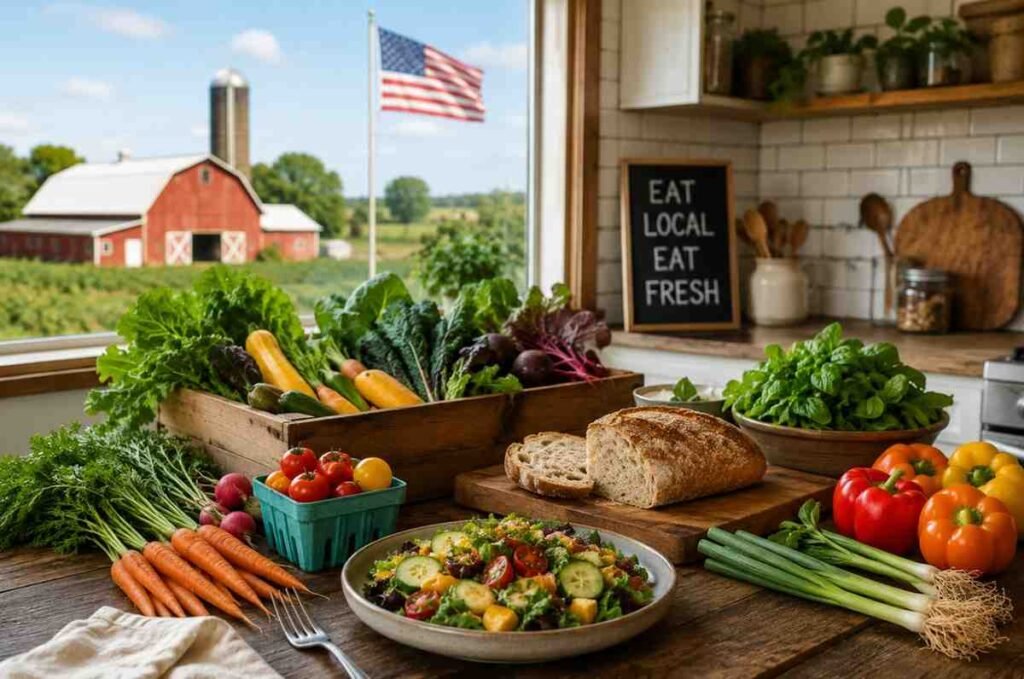
Agricultural traditions shape food culture in powerful ways. Generations of farmers develop expertise around local crops and livestock, creating dishes that showcase those ingredients at their best.
This connection remains important today as many communities embrace farm-to-table meals that highlight locally sourced ingredients. These dining experiences strengthen relationships between consumers and local producers while helping preserve regional food traditions that might otherwise be lost.
The Role of Family Recipes in Preserving Heritage
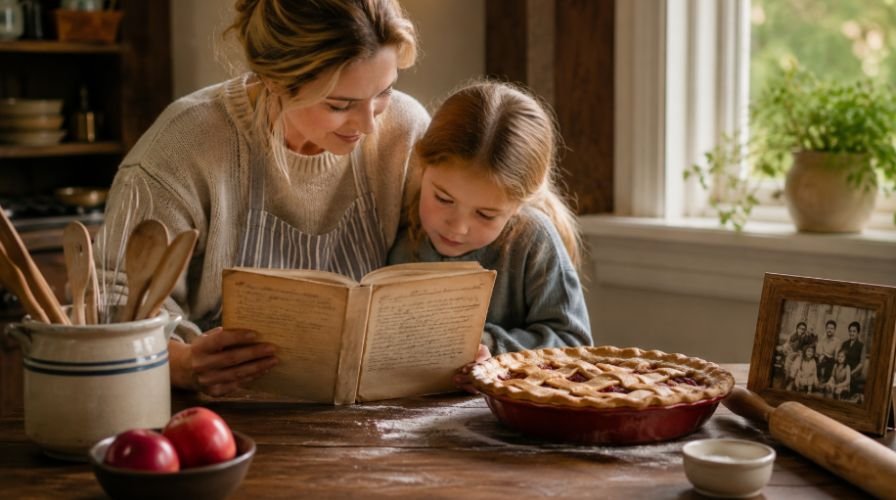
Family recipes often carry more than cooking instructions. They preserve memories, traditions, and stories that connect generations.
In many households, recipes are passed down through observation rather than written instructions. Children learn by watching parents and grandparents prepare meals, absorbing techniques that may have been practiced for decades or even centuries.
These heritage recipes become generational bridges. Preparing a traditional meal allows younger family members to engage with their ancestry in a tangible way. The process keeps family histories alive while ensuring valuable cultural knowledge continues to evolve rather than disappear.
Food preservation practices, traditional cooking methods, and seasonal preparation techniques often survive because families continue sharing them. Without these everyday acts of transmission, many regional food traditions would fade within a single generation.
Why Everyday Meals Often Matter More Than Famous Dishes
When people think about cultural food, they often focus on iconic dishes that attract visitors. Yet the foods that define local culture are frequently the meals people eat every day.
Everyday meals, including neighborhood bakery staples and regional favorites like local Scottish bakery favorites, often reveal more about a place’s real food identity than famous tourist dishes.
Breakfast traditions, home-cooked dinners, seasonal soups, and simple baked goods reveal far more about daily life than special-occasion foods. These dishes reflect practical needs, local ingredients, and longstanding habits shaped by generations of experience.
Everyday meals also demonstrate how communities adapt to their surroundings. Historical periods of hardship, abundance, migration, and economic change often leave lasting influences on local culinary traditions. The result is a food culture that reflects both resilience and creativity.
Understanding these daily food practices offers a deeper appreciation for regional food culture because it highlights how people actually live, not just how they celebrate.
How Food Brings Communities Together?

Food has always played a central role in social life. Beyond nourishment, it creates opportunities for connection, hospitality, and shared experiences.
Traditional foods often mark important milestones, including births, weddings, religious celebrations, and community festivals. Certain dishes appear only during specific events, giving them symbolic meaning that extends far beyond their ingredients.
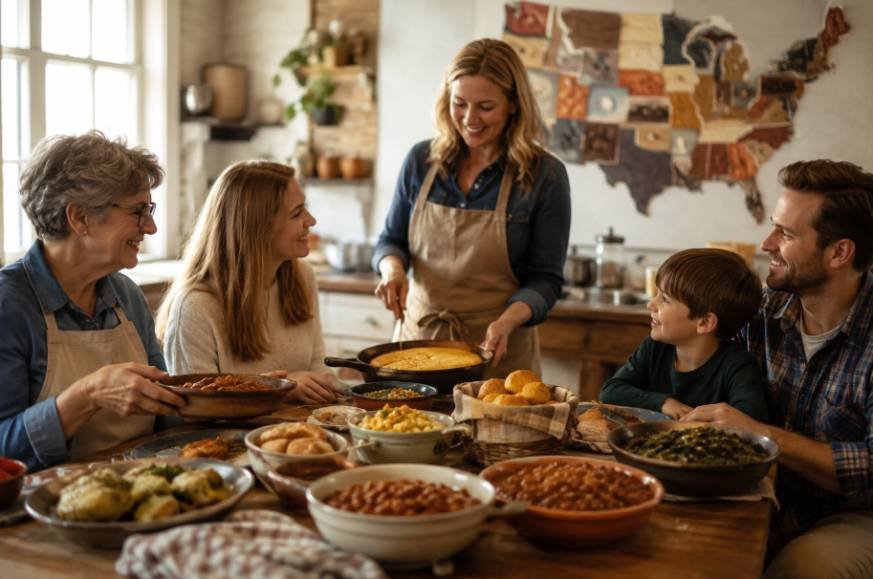
The practice of sharing meals, sometimes referred to as commensality, helps strengthen social bonds. Sitting together around a table encourages conversation, reinforces traditions, and creates a sense of belonging. Communities use food to welcome guests, express generosity, and celebrate collective identity.
Whether it’s a neighborhood gathering or a multigenerational family dinner, shared meals continue to serve as one of the strongest expressions of community food culture.
Modern Changes and the Future of Cultural Foods
Food traditions are constantly evolving. Global travel, digital communication, and changing lifestyles introduce new influences into local cuisines every year.
At the same time, many communities are working to preserve traditional cooking methods and regional dishes. Younger generations are finding creative ways to honor ancestral recipes while adapting them to modern preferences and dietary needs.
Organizations around the world have recognized the importance of protecting culinary heritage. UNESCO’s Intangible Cultural Heritage program highlights food traditions as valuable cultural assets worth preserving for future generations.
This growing appreciation reflects a broader understanding that food is not simply something people consume. It is a record of history, a source of identity, and a powerful connection to place.
FAQs: The Connection Between Heritage and Foods That Define Local Culture
1. What are the foods that define local culture?
Foods that define local culture are traditional dishes, ingredients, and cooking practices that reflect a community’s history, geography, values, and heritage.
2. Why is food important to cultural heritage?
Food preserves traditions, family histories, and ancestral knowledge. It helps communities maintain their identity while passing cultural practices to future generations.
3. How does geography influence local cuisine?
Geography affects climate, soil conditions, available ingredients, and agricultural practices, all of which shape regional dishes and culinary traditions.
4. Can food traditions survive modernization?
Yes. Many communities adapt traditional recipes to modern lifestyles while preserving the core ingredients, techniques, and cultural significance behind them.
Why These Flavors Continue to Matter
As the world becomes increasingly connected, local food traditions offer something uniquely meaningful. They remind people where they come from, how previous generations lived, and what values communities have chosen to preserve.
Traditional cuisine transforms history from something found in books into something people can experience firsthand. Every shared meal, family recipe, and regional specialty carries pieces of a larger story that continues to unfold with each generation.
When people protect their food traditions, they protect far more than recipes. They preserve identity, memory, and a lasting connection to the places they call home.