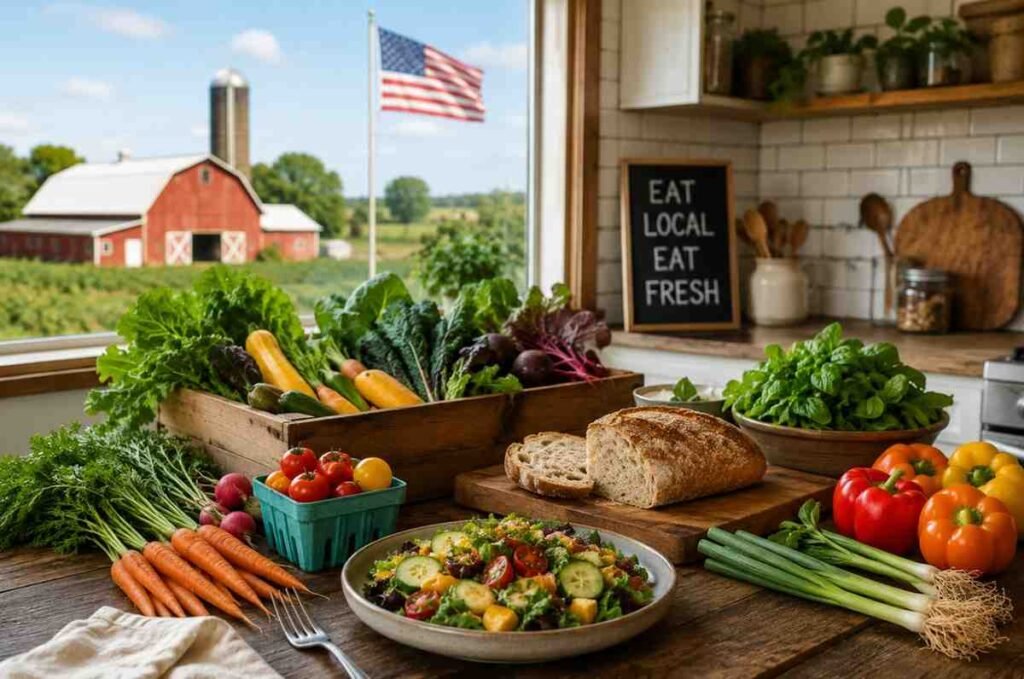
There is a noticeable difference between a tomato picked at peak ripeness and one that has spent days or even weeks moving through warehouses and distribution centers. The flavor is brighter, the texture is firmer, and the overall eating experience feels more satisfying. Many people may not realize it, but freshness is often lost long before food reaches the plate.
That is one reason farm-to-table meals have gained so much attention in recent years. Instead of relying on long supply chains, this approach focuses on bringing ingredients from nearby farms directly to kitchens. The result is food that tastes better, retains more of its natural qualities, and creates a stronger connection between people and the ingredients they consume.
What Are Farm-to-Table Meals?
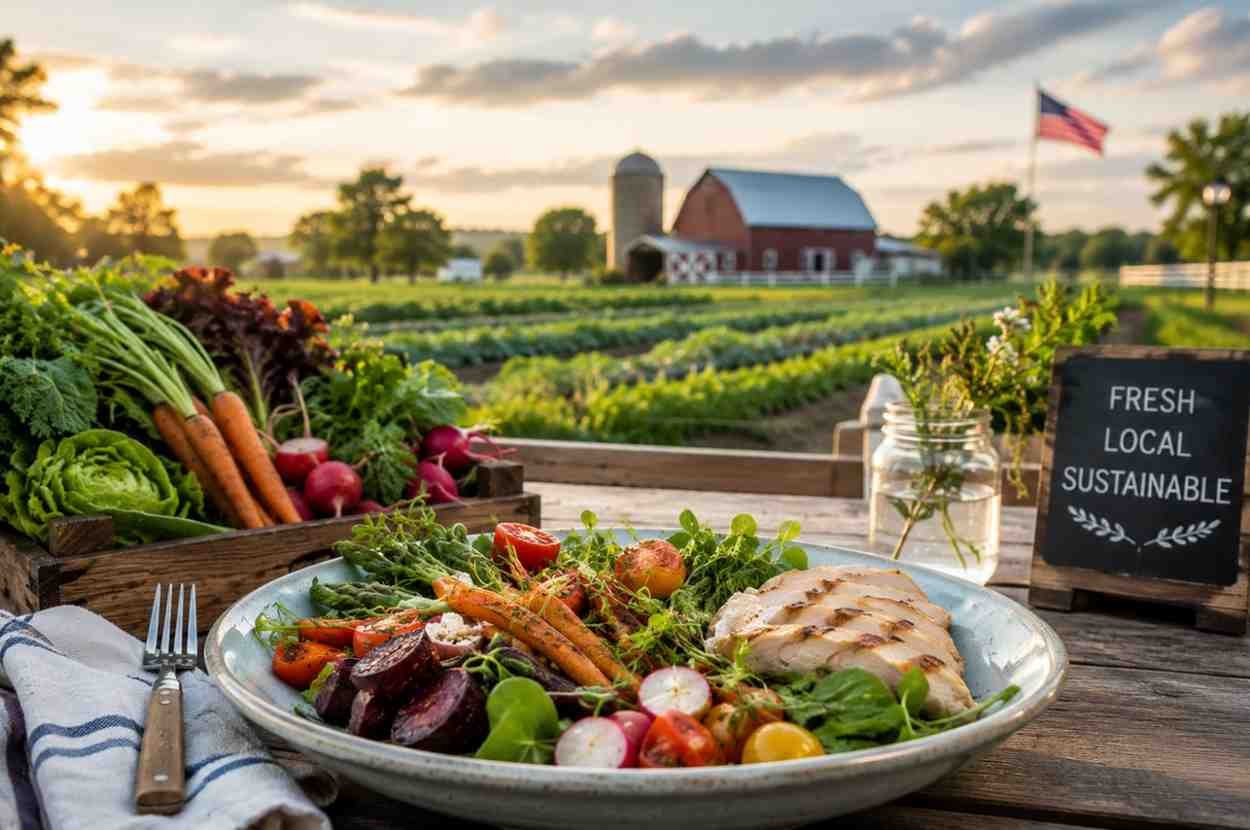
Farm-to-table meals are built around locally sourced food that moves directly from farms to restaurants, markets, or consumers with minimal intermediaries. Rather than depending on ingredients that travel hundreds or thousands of miles, farm-to-table dining prioritizes fresh produce, seasonal ingredients, and direct sourcing relationships.
The philosophy is simple: the shorter the journey from harvest to plate, the fresher the food remains. This approach also gives chefs and home cooks access to ingredients that are harvested at the right time rather than being picked early to survive long transportation routes.
Why Freshness Starts With Shorter Food Journeys
One of the biggest reasons farm-to-table meals stand out is the elimination of excessive food miles. In a conventional food system, produce may pass through multiple distributors, warehouses, and transportation networks before reaching consumers.
With farm-to-table sourcing, food often reaches the kitchen within a day of harvest. This shorter timeline creates several advantages:
- Better flavor and texture
- Reduced need for preservatives
- Less reliance on artificial ripening methods
- Higher overall ingredient quality
When fruits and vegetables spend less time in transit, they arrive closer to their natural state. That freshness becomes immediately noticeable in every meal.
The Power Of Harvesting At Peak Ripeness
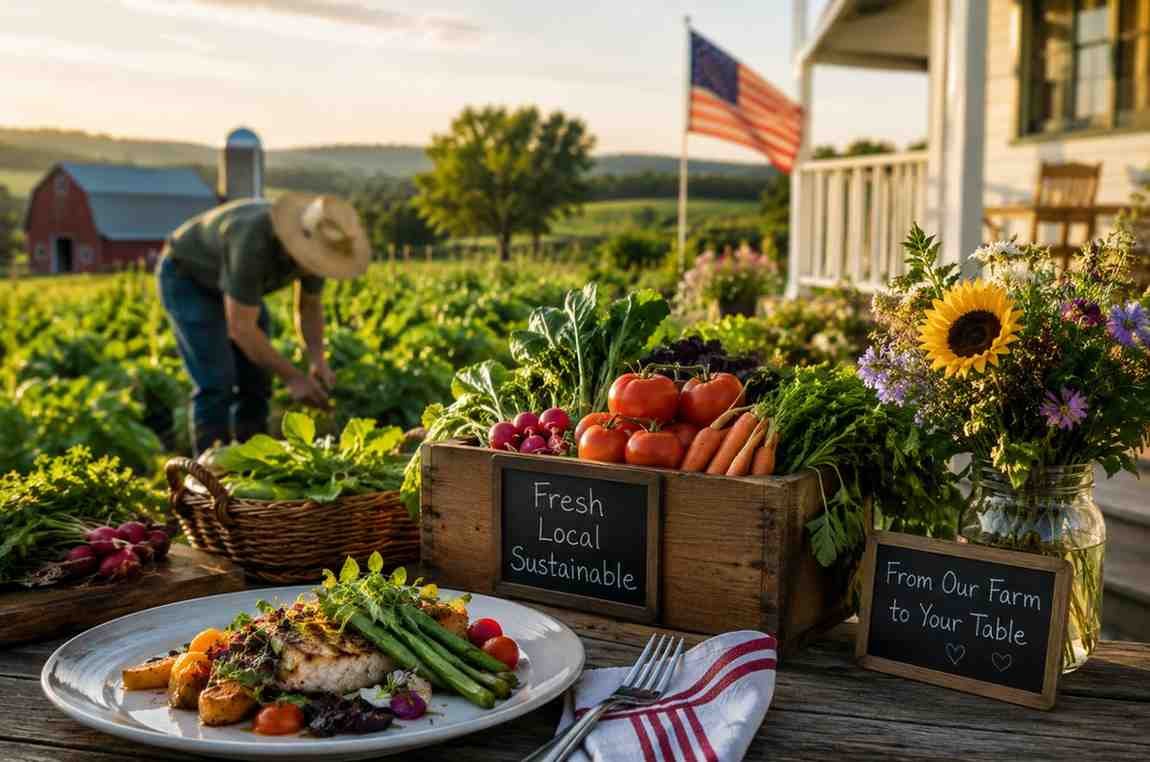
Many commercially distributed fruits and vegetables are harvested before they are fully ripe. This practice helps them survive transportation and storage, but it can reduce flavor and overall quality.
Farm fresh ingredients are often allowed to mature naturally before harvest. This extra time on the plant enables produce to develop richer flavors, stronger aromas, and more vibrant colors.
Think about the difference between a freshly picked peach from a local farm and one that has traveled across multiple regions. The locally harvested fruit typically delivers a fuller taste and a more enjoyable texture because it was picked when it was actually ready to eat.
Natural ripening also supports higher nutrient retention. Certain vitamins begin to decline after harvest, making harvest-to-table speed an important factor in maintaining nutritional value.
How Seasonal Ingredients Improve Every Meal
One of the defining features of farm-to-table meals is seasonality. Instead of offering the same ingredients year-round regardless of growing conditions, farm-to-table kitchens embrace what is naturally available during each season.
This approach encourages dynamic menus that change throughout the year. Seasonal eating creates opportunities to enjoy ingredients when they are at their peak quality rather than relying on products that have been stored for extended periods.
Seasonal menus often feature:
- Fresh vegetables harvested during peak growing periods
- Regional ingredients unique to specific areas
- Heirloom varieties selected for flavor rather than durability
- Greater agricultural diversity
Many diners discover new foods through seasonal menus because local farms often grow varieties that are rarely found in large supermarket supply chains.
The Connection Between Freshness And Sustainability
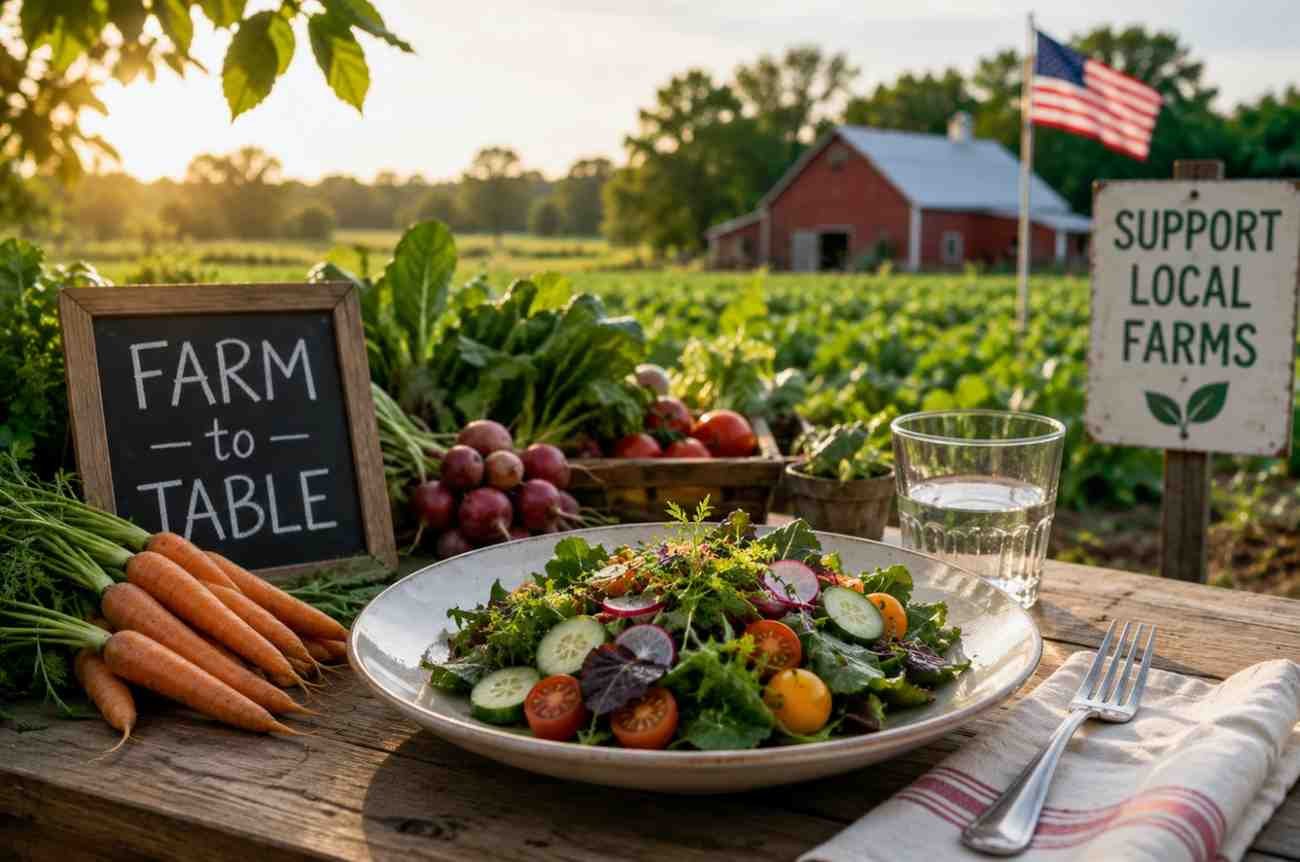
Freshness is often the first benefit people notice, but sustainability is another important advantage of farm-to-table dining.
Long-distance food transportation requires fuel, packaging, refrigeration, and storage infrastructure. Every additional step increases environmental impact while creating more opportunities for food waste.
By sourcing ingredients closer to where they are consumed, farm-to-table systems help reduce unnecessary transportation and packaging. Local food systems also allow farmers and restaurants to coordinate more effectively, reducing excess inventory and spoilage.
This connection between freshness and sustainability has encouraged many consumers to become more mindful of where their food comes from and how it reaches their plates.
Building Stronger Communities Through Local Food
Food becomes more meaningful when people know where it originates. Farm-to-table dining creates stronger relationships between consumers, farmers, and local businesses.
When restaurants source ingredients directly from nearby farms, they help support regional agriculture and strengthen local economies. Farmers receive more opportunities to showcase their products, while diners gain greater transparency about ingredient quality and sourcing practices.
This relationship helps preserve food traditions and regional flavors. In many areas, interest in locally grown produce has also sparked renewed appreciation for traditional culinary practices and specialty crops.
That same appreciation can often be seen in discussions surrounding local foods of the highlands, where unique growing environments and regional farming methods shape distinct flavors and food traditions that might otherwise be overlooked.
How To Bring Farm-To-Table Freshness Into Your Home
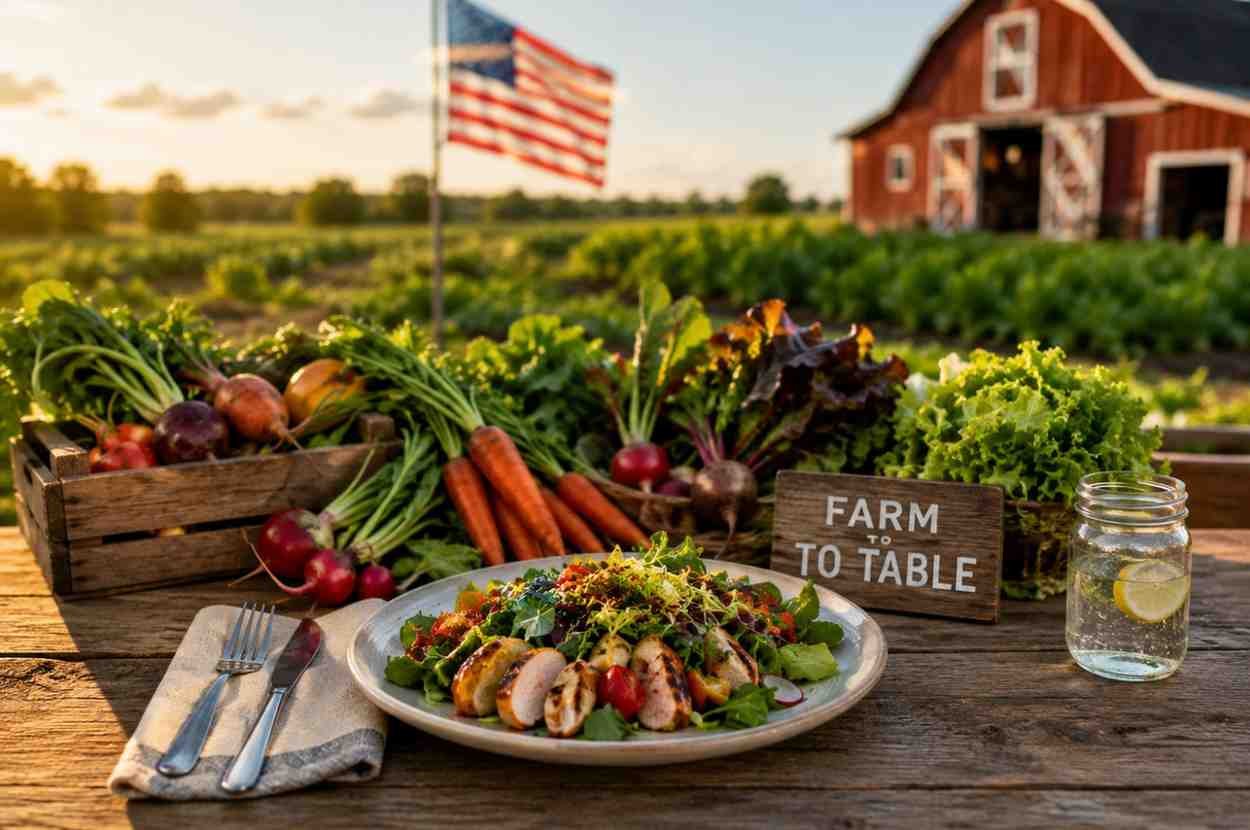
You do not need to dine at specialty restaurants to enjoy the benefits of farm-to-table eating. Small changes in shopping habits can make a significant difference.
A few practical ways to get started include:
- Visiting local farmers’ markets regularly
- Joining a Community Supported Agriculture (CSA) program
- Buying seasonal produce whenever possible
- Asking grocery stores about locally sourced products
- Exploring restaurants that prioritize direct farm partnerships
These simple habits can help you enjoy fresher ingredients while supporting responsible farming practices in your area.
Why Consumers Are Paying More Attention To Food Transparency
Modern consumers increasingly want to know how their food is grown, harvested, and transported. Farm-to-table dining aligns naturally with this shift because it emphasizes transparency throughout the food journey.
When sourcing relationships are clear, people can make more informed decisions about ingredient quality, farming practices, and sustainability. This transparency builds trust and creates a deeper appreciation for the work that goes into producing high-quality food.
As awareness grows around food sustainability and ingredient quality, farm-to-table meals continue to represent a practical way to reconnect with fresher, more authentic eating experiences.
FAQs: How Farm To Table Meals Bring Freshness Back To The Plate
1. What makes farm-to-table meals different from regular restaurant meals?
Farm-to-table meals prioritize locally sourced ingredients that are harvested and delivered quickly. Traditional restaurant supply chains often involve longer transportation and storage periods before ingredients reach the kitchen.
2. Are farm-to-table meals healthier?
They can be. Fresh produce that reaches consumers soon after harvest may retain more nutrients compared to foods that spend extended periods in storage or transit.
3. Do farm-to-table meals cost more?
Sometimes. Costs vary depending on location, season, and ingredient availability. However, many consumers find the improved quality and freshness worth the additional expense.
4. How can I find authentic farm-to-table restaurants?
Look for restaurants that openly share information about their local farmers, sourcing practices, seasonal menus, and partnerships with nearby producers.
Final Thoughts
Farm-to-table meals are about more than following a food trend. They represent a return to ingredients that are harvested closer to their natural peak and served with minimal delay. The difference can be seen in flavor, texture, and overall dining satisfaction. By reducing food miles, embracing seasonality, and supporting local farmers, this approach restores qualities that are often lost in large-scale food systems. It also helps people build a stronger understanding of where their food comes from and why freshness matters.
Sometimes the freshest meal is simply the one that traveled the shortest distance. That simple idea continues to shape how many people think about food today.