There is something unforgettable about eating a meal that has been shaped by mountains, weather, and generations of tradition. The first thing many people notice about highland cuisine is that it feels honest. The ingredients are simple, the cooking methods are practical, and every dish seems to tell a story about the people who created it.
In a world where food trends change constantly, the local foods of the highlands continue to hold a special place in culinary culture. Whether found in the Scottish Highlands, the Himalayan regions, or mountain communities elsewhere, these foods represent resilience, heritage, and a deep connection to the land. Their enduring popularity comes from more than taste alone. It comes from authenticity that has survived centuries of change.
The Strong Link Between Highland Landscapes And Food
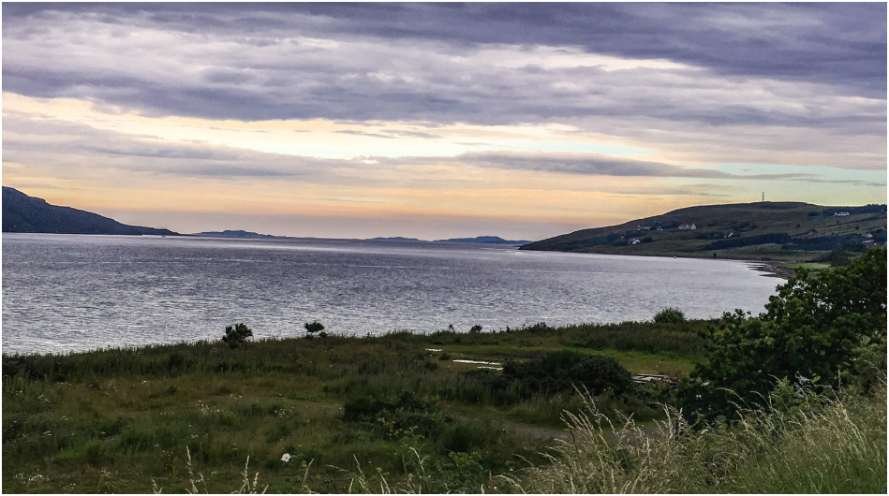
Highland communities have always depended on their natural surroundings. Mountainous terrain often limits large-scale farming, which means local people learn to make the most of what the land and water provide.
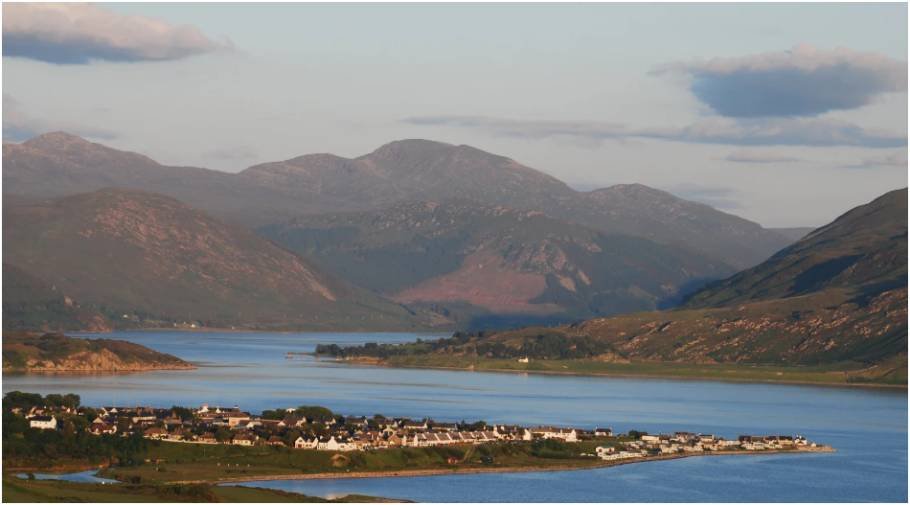
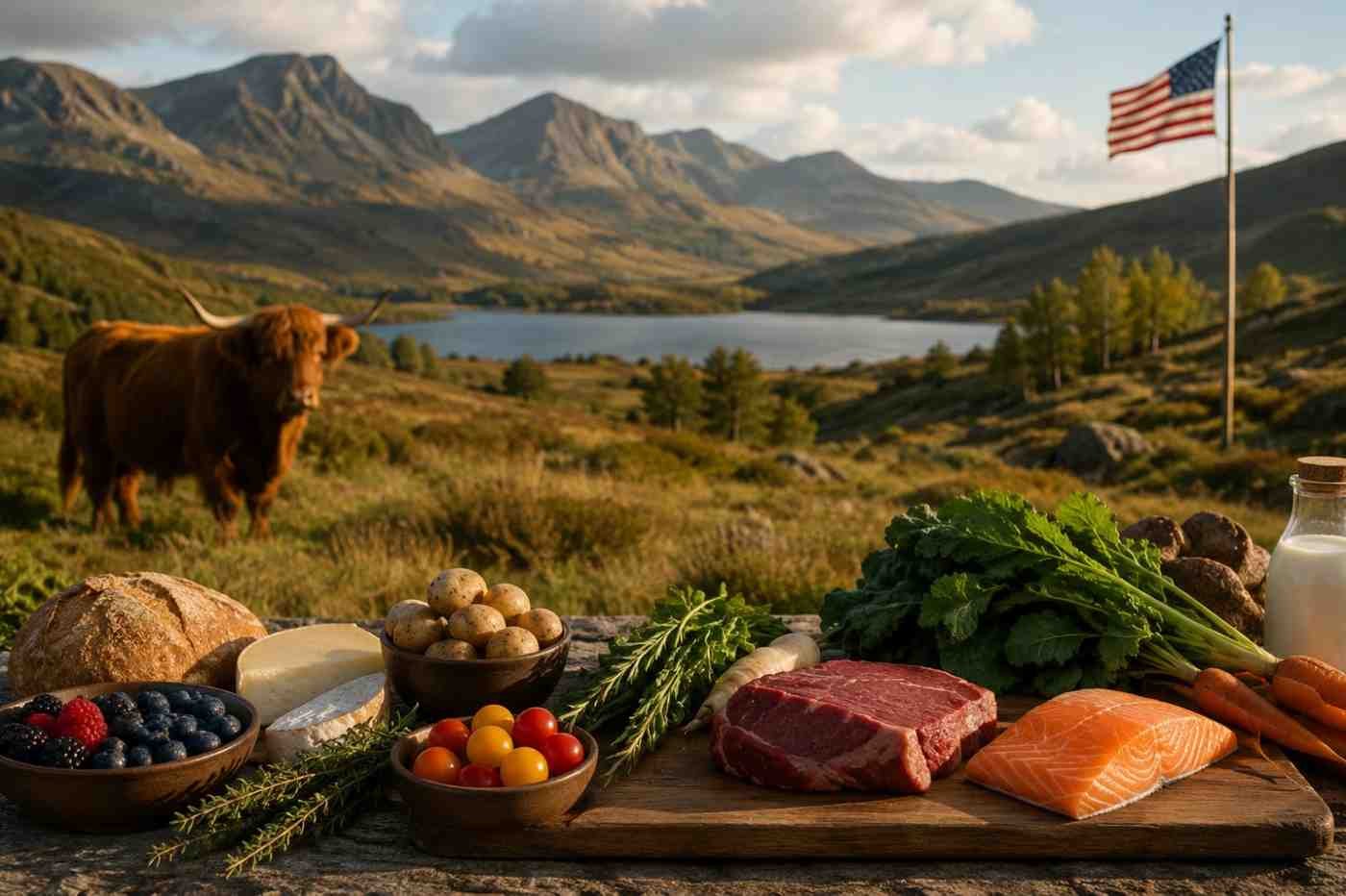
The Scottish Highland cuisine is a perfect example of this relationship. Cold coastal waters supply exceptional seafood, while rolling hills support grazing livestock. Wild game, fresh salmon, root vegetables, and oats have become staples because they thrive naturally in the region.
The same pattern appears across mountain cultures worldwide. Highland communities rely on ingredients that can withstand challenging climates, resulting in traditional Highland food that is deeply tied to geography. Every meal reflects the environment from which it comes.
Why Exceptional Ingredients Make A Difference
One reason the local foods of the highlands remain so respected is the quality of their ingredients. Many highland regions are known for clean air, pure water, and relatively untouched ecosystems.
In the Scottish Highlands, seafood such as langoustines, scallops, and trout is prized for its freshness. Grass-fed cattle produce premium beef, while local farms grow hardy vegetables that thrive in cooler conditions.
These ingredients require little manipulation. Instead of relying on heavy seasoning, many Highland dishes allow natural flavors to take center stage. This approach has become increasingly appealing as more people seek authentic, minimally processed foods.
The Preservation Techniques That Created Iconic Flavors
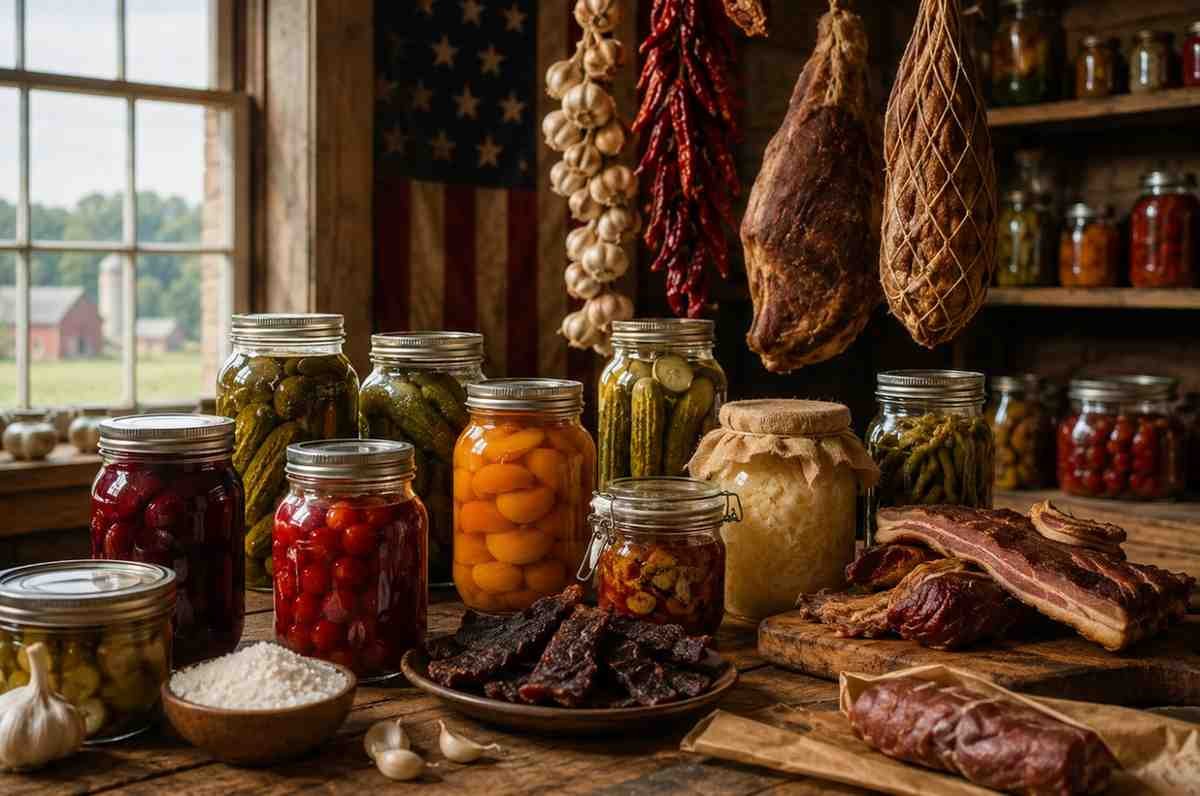
Life in mountain regions has never been easy. Long winters and remote locations forced communities to find creative ways to preserve food.
Smoking, curing, drying, and fermentation became essential survival skills. Over time, these practical techniques evolved into defining elements of Highland culinary traditions.
Some notable examples include:
- Smoked salmon and smoked haddock
- Air-dried and cured meats
- Fermented vegetables and grains
- Traditional soups made from preserved ingredients
These methods created distinctive flavors that remain difficult to replicate with modern industrial food production. The rich smokiness found in dishes like Cullen Skink or the deep savory notes of fermented mountain foods showcase generations of culinary knowledge.
Comfort Foods Built For Real Life
Traditional Scottish meals and other Highland dishes were never designed to impress social media audiences. They were created to sustain people through physically demanding work and harsh weather.
As a result, many dishes focus on nourishment and practicality. Slow cooking methods help maximize flavor while making the most of available ingredients.
Popular examples include:
- Haggis
- Cullen skink
- Scotch broth
- Root vegetable stews
- Barley-based soups
These meals provide warmth, energy, and satisfaction. Interestingly, many ingredients once viewed as necessities are now celebrated for their nutritional value. Oats, barley, and other traditional grains have gained recognition as nutrient-rich foods that support long-lasting energy.
The Cultural Stories Hidden In Every Dish
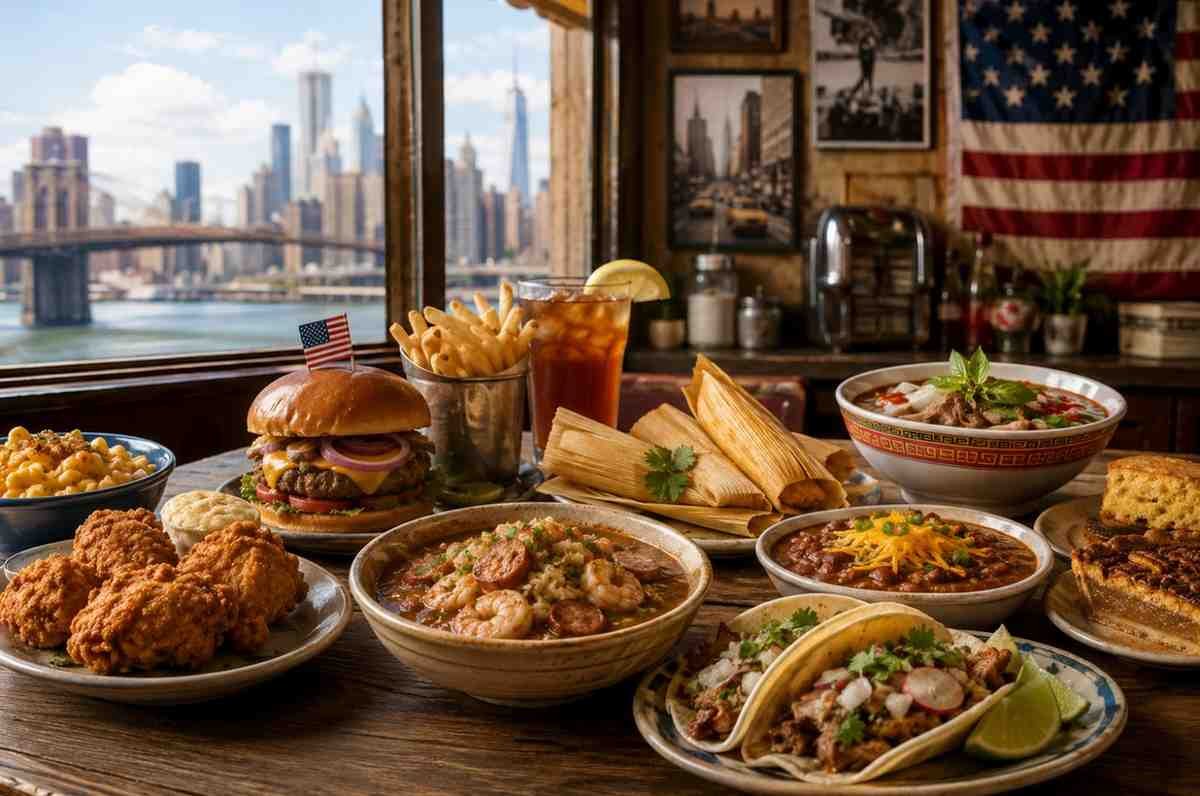
Food heritage is one of the most important reasons highland food culture continues to thrive. Recipes often serve as living records of community history.
Families pass cooking traditions from one generation to the next. Certain recipes are prepared during celebrations, seasonal gatherings, and cultural events. Through food, people preserve stories, customs, and identities that might otherwise fade over time.
In the Highlands, dishes such as haggis are more than meals. They represent cultural pride and historical continuity. Similar traditions exist in mountain regions around the world, where recipes connect modern families to their ancestors.
This cultural significance gives authentic Highland food a depth that extends far beyond flavor alone.
Exploring Different Highland Food Traditions
Although highland cuisines share common characteristics, each region has developed its own distinctive culinary identity.
Scottish Highlands
The Scottish Highlands are known for hearty dishes centered on oats, venison, salmon, root vegetables, and local produce. Famous specialties include haggis, Cullen skink, shortbread, and tablet.
Many visitors also explore regional scottish drink specialties alongside traditional foods, creating a fuller appreciation of the area’s culinary heritage.
Himalayan Highlands
Mountain communities across Ladakh, Nepal, and Tibet rely heavily on barley, buckwheat, wild mushrooms, and locally grown herbs. Foods such as momos, thukpa, and tsampa provide warmth and energy in high-altitude conditions.
The emphasis on dried ingredients and slow-cooked meals reflects centuries of adaptation to mountain life.
North-East Indian Highlands
The highland regions of North-East India showcase a unique combination of smoked meats, bamboo shoots, local chilies, and fermented ingredients.
Dishes featuring Akhuni, Anishi, and smoked pork demonstrate how preservation techniques became essential culinary traditions. The resulting flavors are bold, distinctive, and deeply connected to local culture.
Why Highland Cuisine Appeals To Modern Travelers
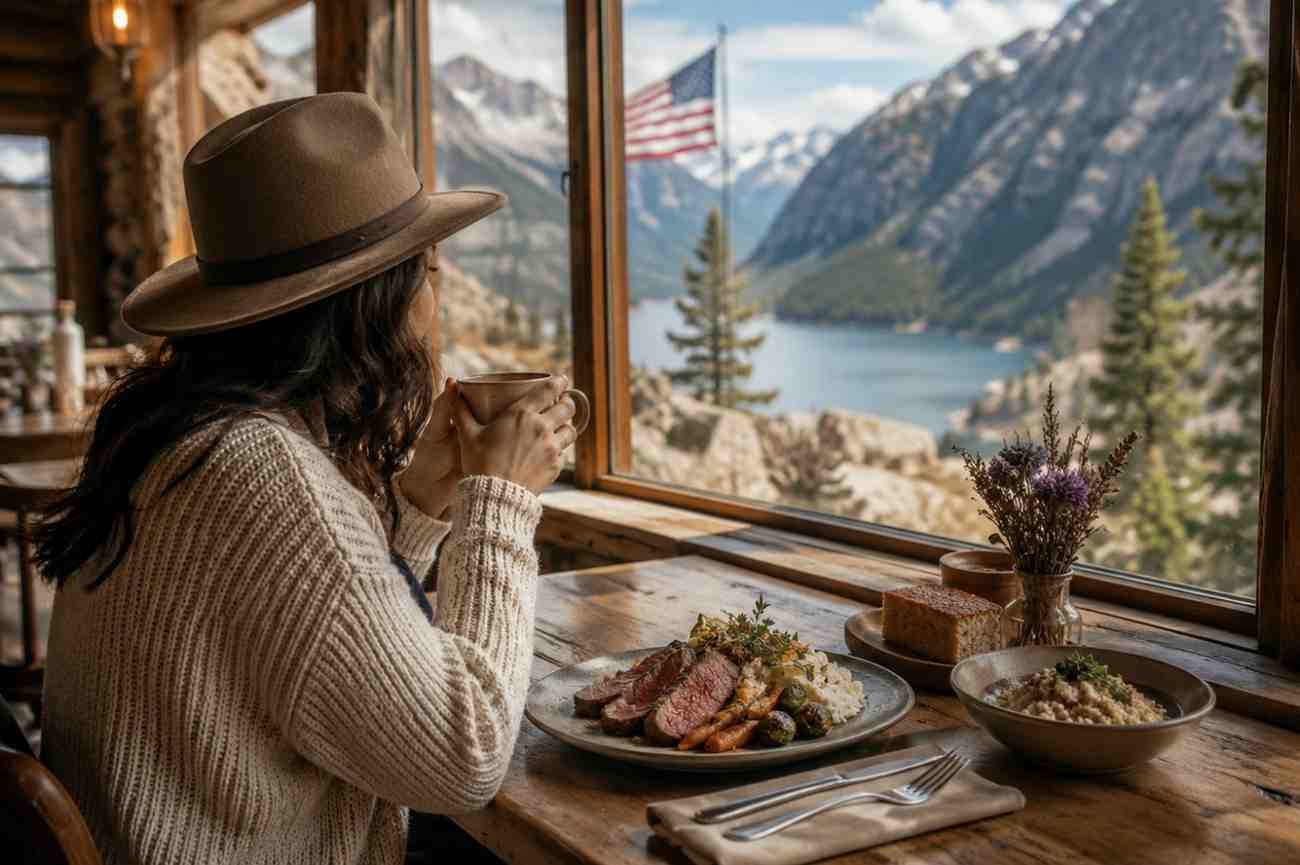
Modern travelers increasingly seek experiences that feel genuine rather than manufactured. Highland culinary traditions offer exactly that.
Unlike heavily commercialized food trends, many highland recipes remain rooted in local practices. Visitors can often trace ingredients directly back to nearby farms, fishing communities, and family-run producers.
This authenticity creates a stronger connection between people and place. Instead of simply consuming a meal, travelers experience a piece of regional history and culture.
As interest in food heritage continues to grow, Scottish regional foods and other mountain cuisines are attracting attention from chefs, food enthusiasts, and cultural explorers alike.
What Makes Highland Food Different From Mainstream Cuisine?
The key difference is simplicity. Highland communities historically cooked with what was available rather than what was fashionable.
This approach created recipes that highlight ingredient quality, traditional preparation methods, and cultural significance. The result is food that feels timeless rather than trendy.
FAQs: Why The Local Foods Of The Highlands Remain A Culinary Treasure
What are the most famous local foods of the highlands?
Some of the most recognized examples include haggis, Cullen skink, Scotch broth, smoked salmon, venison dishes, and oat-based specialties. These foods have become symbols of Highland culinary traditions.
Why is preservation important in highland cuisine?
Mountain communities often faced long winters and limited access to fresh ingredients. Smoking, curing, drying, and fermentation helped ensure food security while creating unique flavors.
Are highland foods considered healthy?
Many traditional highland foods feature whole ingredients, lean proteins, seafood, root vegetables, and nutrient-rich grains such as oats and barley. Their nutritional value contributes to their lasting appeal.
Why do travelers seek authentic Highland food experiences?
Many travelers want to experience local culture through food. Highland cuisine offers a direct connection to regional history, traditional cooking methods, and community heritage.
Final Thoughts
The local foods of the highlands remain a culinary treasure because they represent far more than recipes. They tell stories of survival, adaptation, and cultural pride. From the seafood-rich coasts of the Scottish Highlands to remote mountain communities elsewhere, these cuisines reflect a deep respect for local ingredients and time-honored traditions. Their flavors have endured because they were built on necessity, craftsmanship, and a close relationship with nature. In an age of increasingly standardized dining experiences, that authenticity feels more valuable than ever.
Highland cuisine reminds us that some of the world’s most memorable foods come from places where tradition still matters and every meal carries a sense of history.