
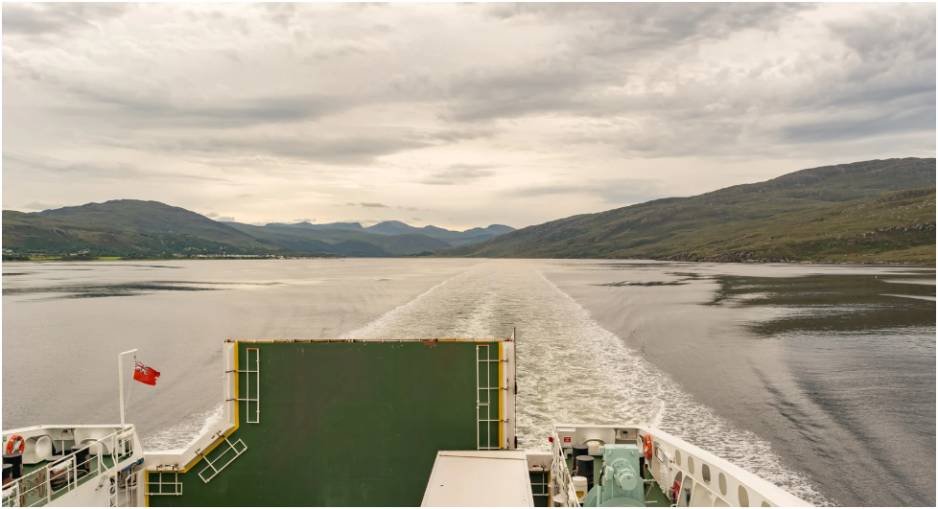
The Ullapool to Stornoway ferry is not a quick tourist shuttle. It is a real island lifeline, and first timers can feel rushed if they treat it casually. These Ullapool ferry travel tips for first timers will help you book, board, pack, and arrive in Stornoway with fewer surprises.
I like this crossing because it feels like the Highlands handing you over to the Outer Hebrides. The route crosses the Minch, usually taking about 2 hours and 40 minutes, and the experience changes fast with weather, traffic, and ferry loading.
Why This Ferry Feels Different From a Short Boat Ride
The Ullapool to Stornoway route links mainland Scotland with the Isle of Lewis. For American travelers, it can feel more structured than a casual lake ferry or short coastal crossing. CalMac manages passengers, cars, commercial vehicles, motorhomes, pets, and island freight on the same sailing.
That is why timing matters. The ferry is not waiting because you stopped for one more photo on the A835. If you miss check-in, your booking can lose priority, especially in summer.
The best mindset is simple: treat the ferry like a regional flight with a car deck. Book early, arrive early, and keep essentials with you.
Booking the Ullapool to Stornoway Ferry Without Stress

CalMac’s Ullapool to Stornoway route is bookable, and vehicle reservations are strongly recommended. I would never arrive with a car or motorhome and hope for space during peak season.
Summer demand is intense from June through August. Islanders, delivery vehicles, campervans, rental cars, and tourists all compete for limited deck space. If your trip depends on a specific sailing, book as early as your itinerary allows.
Vehicle bookings need extra care
When booking a car, enter your vehicle details honestly. If you are driving a rental car, check the booking rules and update details if needed.
Motorhomes need more attention. Measure the full length and height, including bike racks, ladders, roof boxes, tow bars, and rear storage. Ferry space is allocated carefully, so guessing low to save money can create problems at the port.
If your vehicle is over 6 meters or close to 3.5 tonnes, check the booking category before paying. Larger vehicles may fall into different fare or space rules.
Foot passengers should still book ahead
Foot passengers have more flexibility than drivers, but booking ahead is still smart. Keep your email confirmation ready and bring photo ID. The terminal is small and walkable, but you should not arrive at the last minute.
If you are reaching Ullapool without a car,you need to understand Ullapool public transport for tourists before planning the connection. Rural Highland buses do not always match ferry times perfectly.
Arriving at Ullapool Ferry Port the Right Way

Ullapool Ferry Port sits close to cafes, shops, and the waterfront. That sounds easy, but it can tempt first timers into cutting things too close.
The village is compact, yet the road journey to Ullapool can be slower than expected. The A835 has beautiful views, winding stretches, summer traffic, and occasional delays. Build extra time into the day.
What I would do before leaving Inverness
If I were starting from Inverness, I would leave earlier than the navigation app suggests. I would fill fuel, buy snacks, check the sailing status, and download my ticket before losing reliable signal.
This is my simple tested rule: add 45 minutes to your road estimate if you are catching a ferry with a vehicle. It gives space for slow traffic, sheep on rural roads, bathroom stops, and photo temptation.
Check-in timing matters more than you think
Vehicle passengers should aim to arrive 45 to 60 minutes before departure. In peak summer, I would make that a full 60 minutes.
Foot passengers should arrive at least 30 minutes before sailing and go directly to the terminal building. Always check your own ticket, because final check-in times can vary by sailing.
Do not assume standby will save you. Summer vehicle decks can be full, and motorhomes are especially hard to fit at short notice.
Boarding With a Car, Pet, or Motorhome
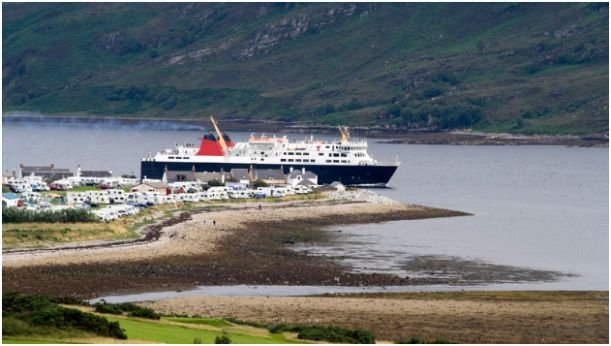
Boarding looks chaotic at first, but the crew knows exactly how to pack the deck. Your job is to follow instructions quickly and calmly.
Roll down your window when you enter the lanes so you can hear marshals. Turn off your engine while waiting. Once parked, apply your handbrake firmly, lock the car, and leave the vehicle deck when told.
Car deck rules first timers often miss
You cannot stay in your vehicle during the crossing. Take everything you need before heading upstairs, because passengers are not usually allowed back to the car deck until arrival.
Disable interior car alarm sensors if your vehicle has them. The ship’s movement can trigger alarms, which is annoying for crew and bad for your battery.
Also note your deck and stairwell. After nearly three hours at sea, rows of cars can look strangely similar.
Motorhome ferry tips for Lewis and Harris
Motorhomes need extra preparation before boarding. Turn off LPG or propane at the cylinder valve, not just at the appliance. Port staff may ask if your gas is isolated and may attach a safety tag.
Approach ramps slowly, especially at low or high tide. Long rear overhangs can scrape on steep angles. Once parked, fold in wing mirrors because the lanes can be tight.
If you carry refrigerated food, plan for the gas shutdown. Use ice packs or a well-chilled fridge before boarding. Do not rely on gas appliances during the crossing.
On Lewis and Harris, avoid overnight parking in ferry terminals, town centers, or unsuitable roadside spots. Use campsites or approved overnight locations. Single-track roads are common, so use passing places correctly and let faster local traffic overtake.
Bringing a dog on the ferry
Dogs can travel, but they should be included when booking. CalMac uses pet tickets so the crew knows how many animals are on board.
Pack a lead, water bowl, waste bags, and a towel. Dogs may use designated pet areas or outside passenger decks, depending on the vessel rules. I would also bring a warm layer, because the outer deck can feel cold even in summer.
What to Pack Before You Leave the Car Deck
The best ferry habit is the “one-trip go-bag.” Pack it before boarding, not after parking.
I would include a jacket, wallet, medication, phone charger, camera, seasickness tablets, snacks, water, sunglasses, and booking details. If traveling with children, add entertainment and spare layers.
Foot passengers should pack light enough to carry luggage comfortably. Large bags may be stowed onboard, but you still need to manage your own luggage through boarding.
Seasickness, Seats, and Wildlife on the Minch
The Minch can be calm and glassy or rough enough to humble confident travelers. If you get motion sick, choose a seat near the center of the ship. That area usually moves less than the bow or stern.
Fresh air helps. Step outside if conditions allow, but hold rails and dress warmly. Scottish ferry decks can feel much colder than the village you just left.
Keep your eyes open for wildlife. On a good day, you may spot seals, porpoises, dolphins, gannets, or other seabirds. Binoculars make the crossing more rewarding.
Arriving in Stornoway Without Looking Unprepared
When the ferry docks, listen for announcements before returning to your vehicle. Drivers should be ready to start engines and leave when directed. Do not block the deck while searching for keys or bags.
Stornoway is the main town on Lewis, but it is not a 24-hour travel hub. Check accommodation access times, fuel plans, restaurant hours, and grocery needs before arrival.
Sunday planning matters in the Outer Hebrides. Many businesses follow traditional Sabbath closures, so fill fuel, top up water, and buy food by Saturday evening if you are traveling by motorhome.
FAQs
1. How early should I arrive for the Ullapool to Stornoway ferry?
Arrive 45 to 60 minutes early with a vehicle and at least 30 minutes early as a foot passenger.
2. Can I take a motorhome on the Ullapool ferry?
Yes, but measure the full length and height, turn off gas cylinders, and book early in summer.
3. Is the Ullapool to Stornoway ferry rough?
It can be rough on the Minch, so sit near the center of the ship if you get seasick.
4. Do I need to book the Ullapool ferry as a foot passenger?
Yes, booking ahead is strongly recommended, especially in busy travel periods.
Sail First, Panic Never
The ferry is part of the adventure, not just transport. My best advice is to arrive early, pack your go-bag before boarding, and respect how important this route is for island life.
With these Ullapool ferry travel tips for first timers, you can spend less time worrying about rules and more time watching the Highlands fade into the Minch.