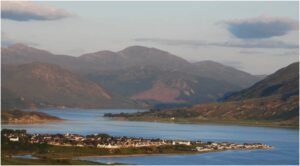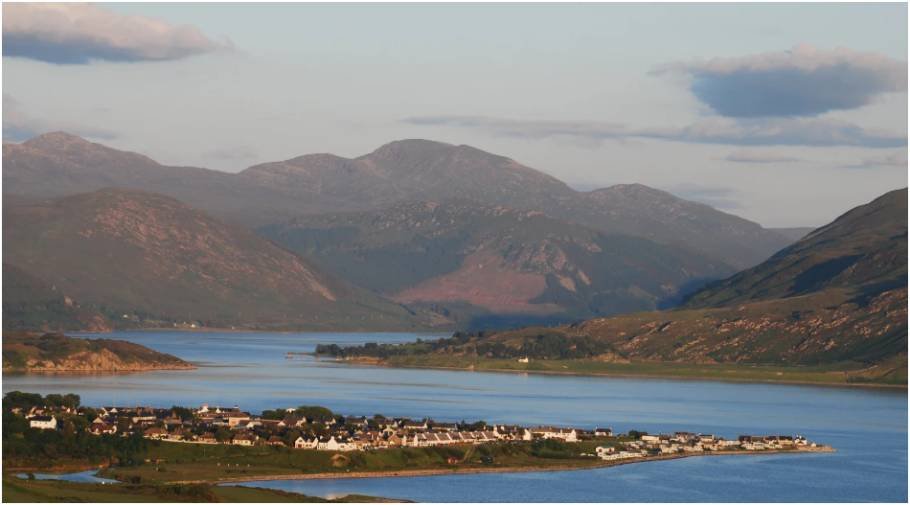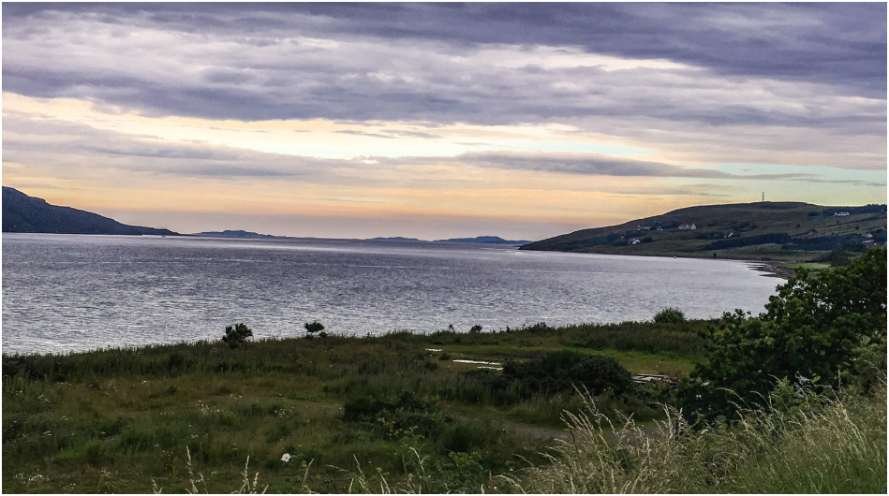
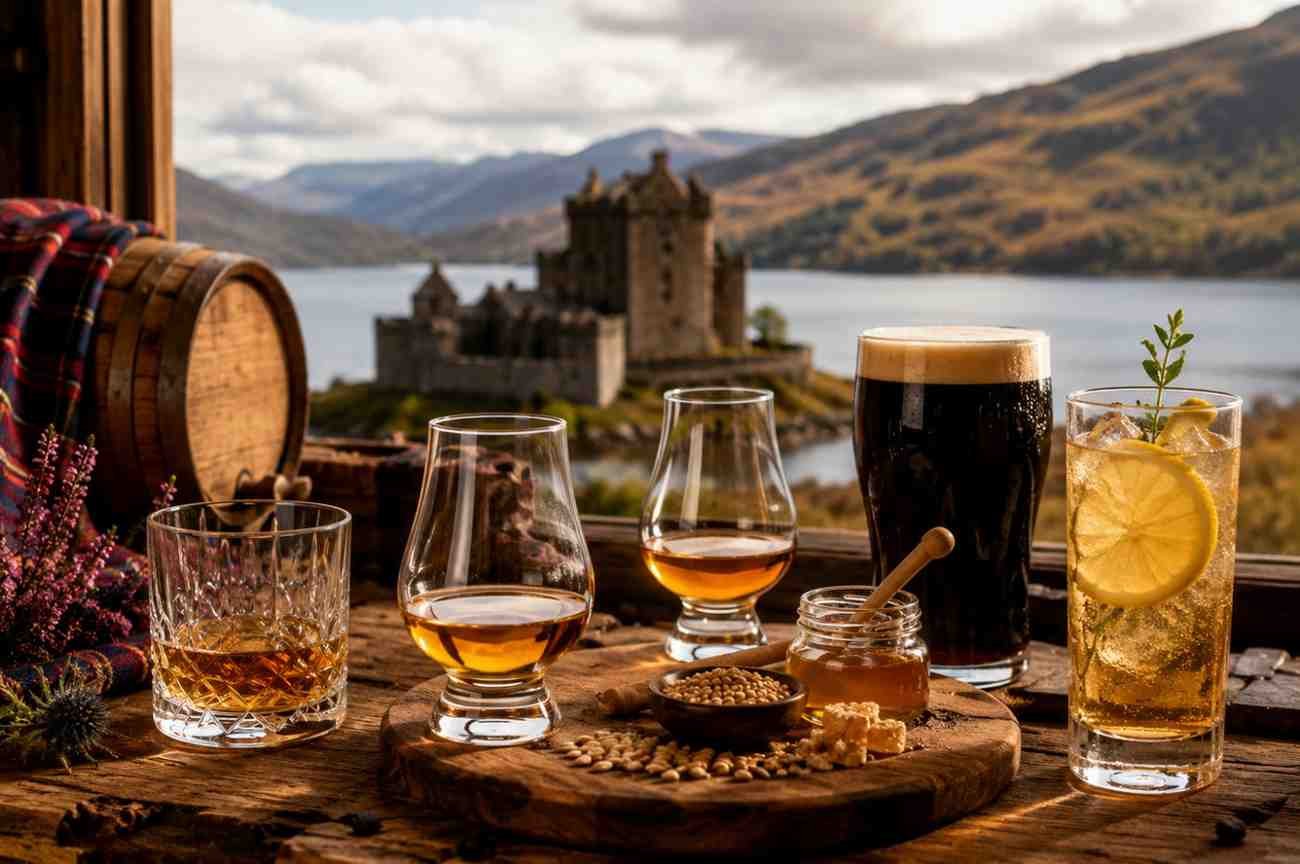
When people think about Scottish drinks, whisky usually comes to mind first. While whisky certainly deserves its reputation, it tells only part of the story. Across Scotland, communities have spent centuries creating beverages shaped by their surroundings, local ingredients, and traditions. Every region has developed its own distinct flavors, giving visitors and locals alike a taste of the landscape in every glass.
What makes regional Scottish drink specialties so fascinating is their connection to place. Mountains, rivers, coastlines, islands, and even the weather have influenced what people produce and drink. These beverages are more than refreshments. They represent generations of craftsmanship, local pride, and cultural heritage that continue to thrive today.
The Strong Link Between Place and Flavor
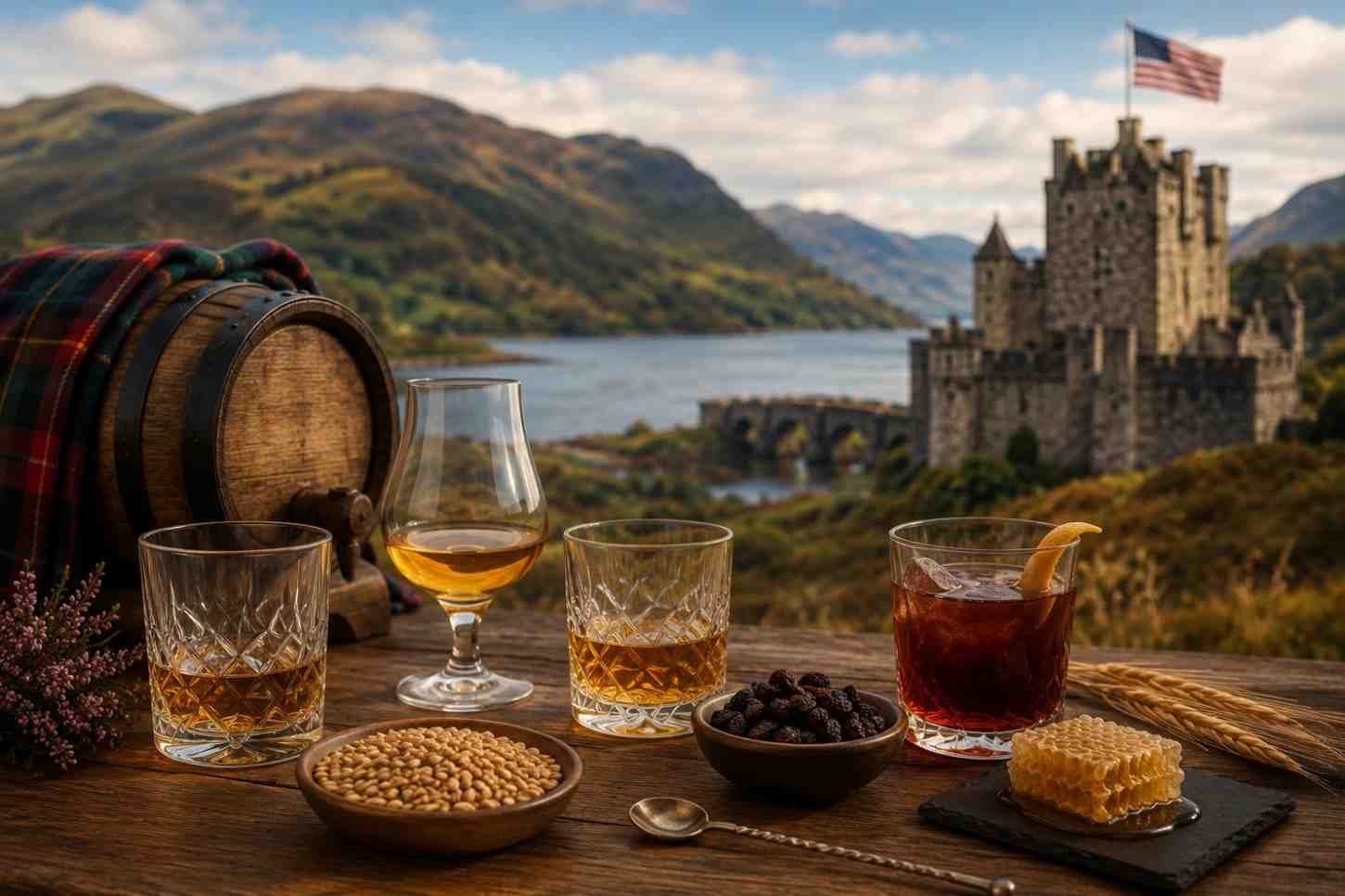
Many traditional Scottish drinks exist because communities worked with what was available around them. Before modern transportation made ingredients easy to source from anywhere, producers relied heavily on local resources. Water, grains, fruits, herbs, and plants from specific regions naturally influenced the drinks that emerged.
Over time, these local ingredients became part of the regional identity. A drink produced in a coastal area often develops very different characteristics from one made in a fertile valley or remote highland community. This relationship between geography and production remains one of the defining features of Scottish beverages today.
How Geography Shapes Scottish Drink Traditions
Scotland’s diverse landscapes play a major role in creating regional flavors. Distillers, brewers, and cider makers often draw inspiration directly from their surroundings.
Several environmental factors contribute to these differences:
- Local water quality
- Climate and seasonal conditions
- Native plants and botanicals
- Agricultural traditions
- Historic production methods
Together, these elements create a wide variety of traditional Scottish drinks, each with its own unique story.
Islay Whisky and the Influence of the Sea

A Landscape Built Around Peat
Islay is one of Scotland’s most famous whisky-producing regions. Unlike many other areas, the island’s landscape contains extensive peat bogs but relatively few trees. Historically, distillers needed fuel to dry malted barley, so they turned to peat as a practical solution.
What began as a necessity eventually became a defining characteristic of Islay whisky. The smoke produced by burning peat infuses the barley and creates flavors that have become recognizable around the world.
Flavors Inspired by the Coastline
The island’s location along the Atlantic also contributes to its character. Many Islay whiskies feature notes of smoke, sea salt, seaweed, and brine. Some enthusiasts even describe medicinal undertones that reflect the rugged coastal environment.
The result is a spirit that feels deeply connected to the island itself. Every bottle captures aspects of Islay’s weather, terrain, and maritime heritage.
Speyside Whisky and Fertile River Valleys
While Islay whiskies are known for intensity, Speyside whiskies often showcase a softer and sweeter profile. The region surrounds the River Spey and has long been valued for its abundant supply of pure water.
Historically, fertile farmland in the area produced excellent barley, while the surrounding hills provided ideal conditions for distilling. These advantages helped Speyside become one of the most important whisky-producing regions in Scotland.
A Different Expression of Heritage
Speyside whiskies commonly feature flavors such as:
- Honey
- Pear
- Green apple
- Vanilla
- Orchard fruits
These characteristics reflect the region’s agricultural strengths and centuries of distilling expertise. The contrast between Speyside and Islay demonstrates how regional Scottish drink specialties can vary dramatically while remaining rooted in local tradition.
Caledonian Cider and Scotland’s Historic Orchards
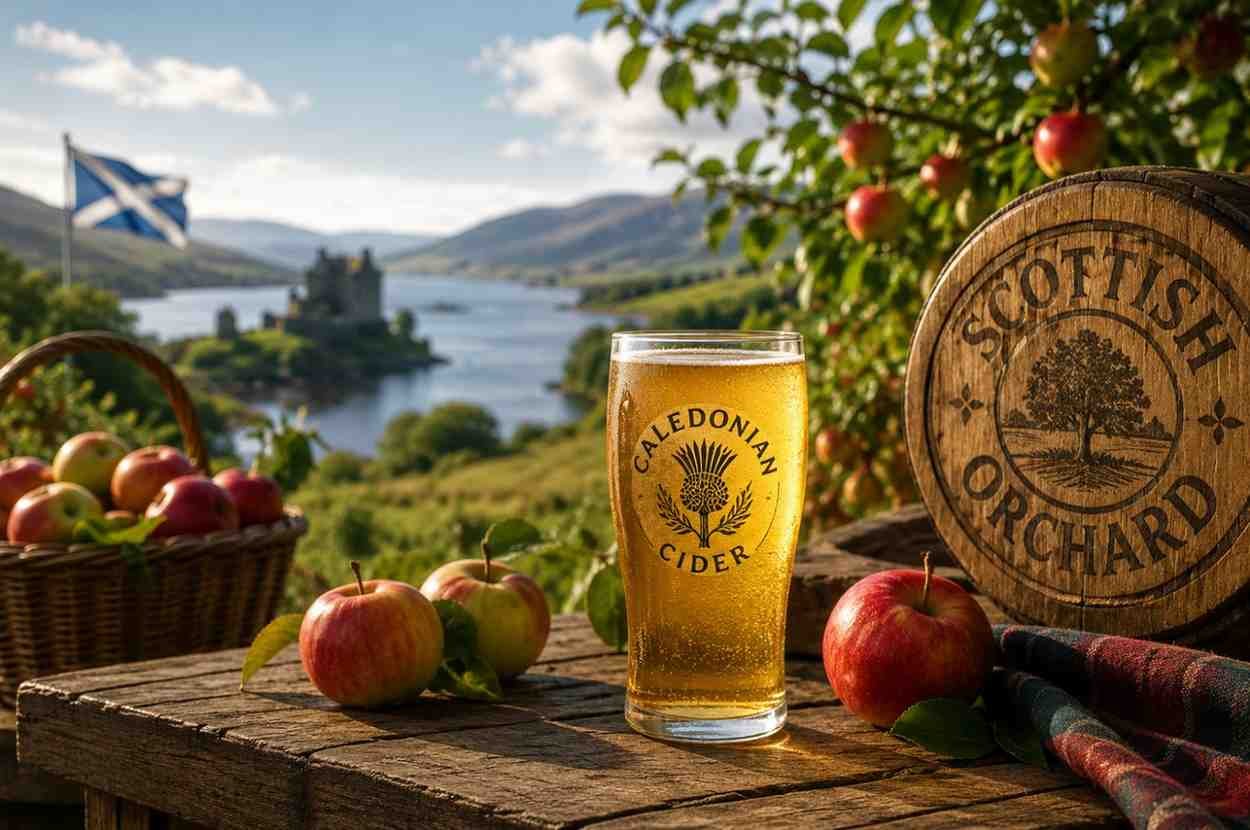
Although cider is often overshadowed by whisky, it plays an important role in preserving regional agricultural heritage. In areas such as Fife, Perthshire, and Lothian, producers have worked to revive old orchards and heritage apple varieties.
Many of these apples thrive in cooler climates and possess flavor characteristics that differ from commercially grown varieties. By cultivating these historic fruits, cider makers help preserve local biodiversity while creating beverages that reflect their surroundings.
The resulting ciders are often crisp, tart, and complex. More importantly, they connect modern consumers with farming traditions that have shaped local communities for generations.
Botanical Gins That Capture the Landscape
Turning Nature Into Flavor
Scottish gin has experienced remarkable growth in recent years, but many producers have chosen to remain deeply connected to local heritage. Rather than relying solely on traditional ingredients, they often incorporate botanicals gathered from nearby landscapes.
Island and coastal distilleries have become particularly known for this approach. By using native plants, they create gins that offer a direct expression of the environments around them.
Local Ingredients With Local Stories
Some commonly used botanicals include sugar kelp, bog myrtle, heather, and wild herbs. These ingredients contribute herbal, floral, earthy, and coastal notes that distinguish one region from another.
This approach also strengthens the connection between modern distilling and Scottish food culture, where local ingredients continue to play a central role in shaping traditional flavors.
Heather Ale and Ancient Brewing Traditions
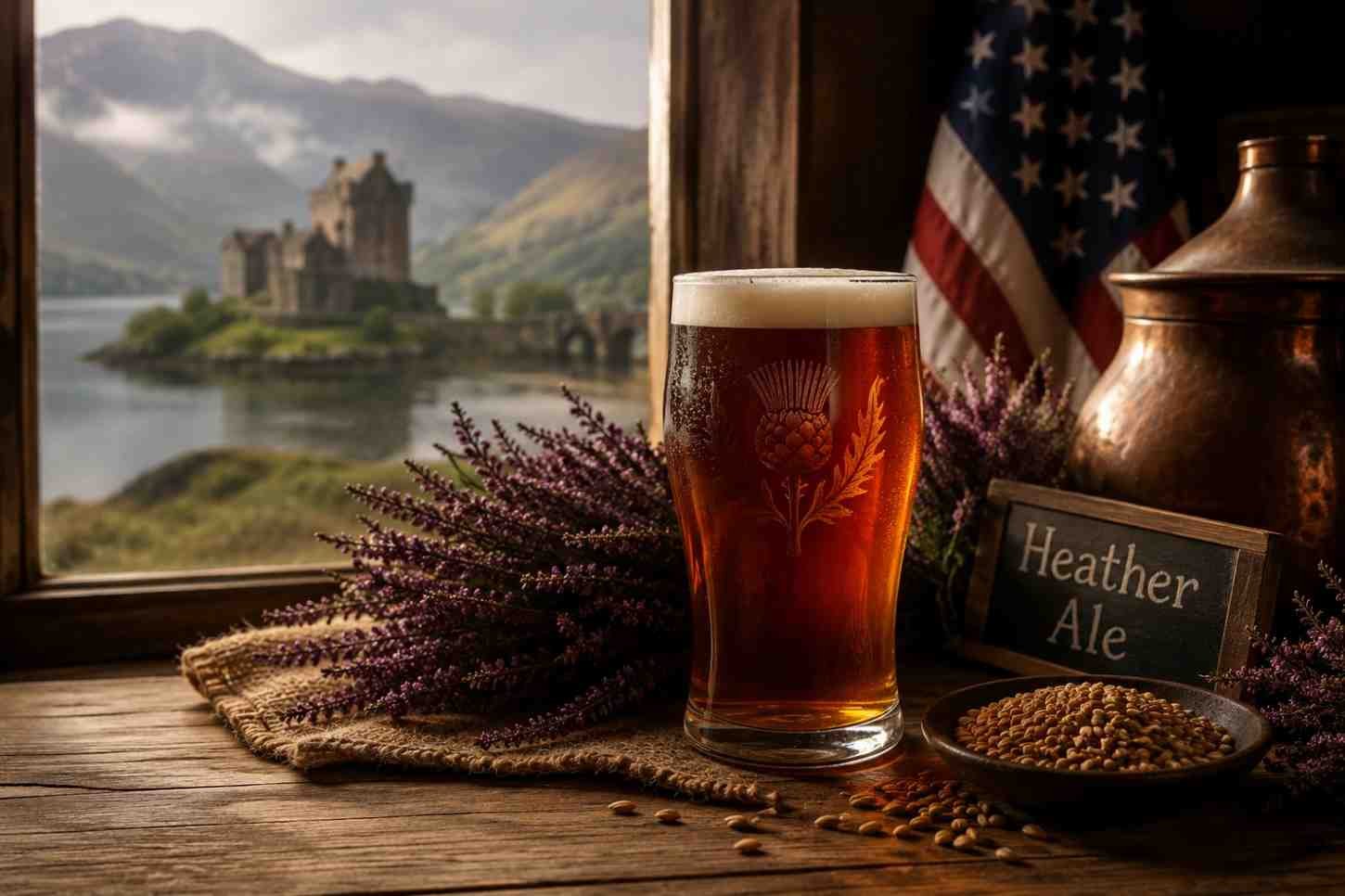
Heather ale offers one of the clearest examples of Scotland’s long brewing history. Long before hops became a standard ingredient in beer production, brewers relied on native plants to add bitterness and flavor.
Heather was a natural choice because it grew abundantly across many parts of the Highlands. The plant contributed floral and herbaceous qualities while connecting the drink directly to the surrounding landscape.
Today’s heather ales revive traditions that stretch back thousands of years. For many people, drinking heather ale feels like experiencing a small piece of Scotland’s ancient past. It serves as a reminder that regional drinks can preserve cultural history just as effectively as museums or historical landmarks.
Why Regional Specialties Continue to Matter
In an age of global brands and standardized products, regional beverages offer something different. They provide authenticity. Consumers increasingly want to know where their food and drinks come from, and Scottish producers have embraced that interest.
Local distilleries, breweries, and cider makers continue to celebrate regional ingredients and traditional methods. Their success helps preserve cultural heritage while supporting local economies and communities.
More importantly, these drinks remind us that flavor does not develop in isolation. It is shaped by landscapes, climate, history, and the people who dedicate themselves to maintaining regional traditions.
FAQs: How Regional Scottish Drink Specialties Reflect Local Heritage and Flavor
1. What are the most popular regional Scottish drink specialties?
Some of the most recognized examples include Islay whisky, Speyside whisky, botanical gin, heather ale, and traditional ciders made from heritage apple varieties.
2. Why do different Scottish whisky regions produce different flavors?
Regional differences in water sources, climate, barley quality, peat use, and production methods all contribute to unique flavor profiles.
3. What makes Scottish botanical gin unique?
Many Scottish gin producers use locally sourced botanicals such as heather, kelp, and wild herbs, creating flavors that reflect their surrounding landscapes.
4. Is Heather Ale still produced today?
Yes. Several breweries continue to produce heather ale using recipes inspired by historic brewing traditions that predate the widespread use of hops.
Final Thoughts
Regional Scottish drink specialties offer far more than distinctive flavors. They provide a direct connection to the landscapes, communities, and traditions that shaped them. Whether it is the smoky character of an island whisky, the sweetness of a Speyside malt, the freshness of a heritage cider, or the floral notes of heather ale, each beverage reflects the environment from which it emerged. These drinks preserve local stories and traditions that might otherwise fade over time.
As interest in authentic food and drink experiences continues to grow, these regional specialties remain powerful reminders that heritage can still be tasted, one sip at a time.