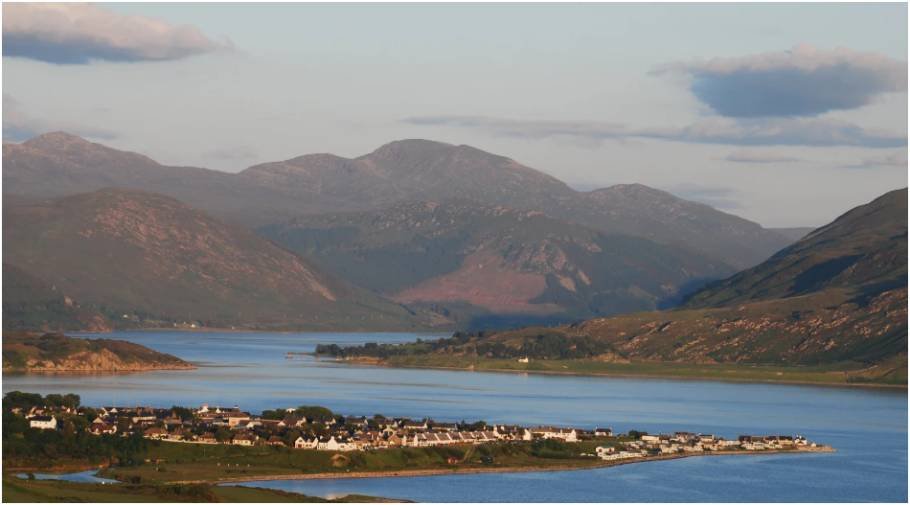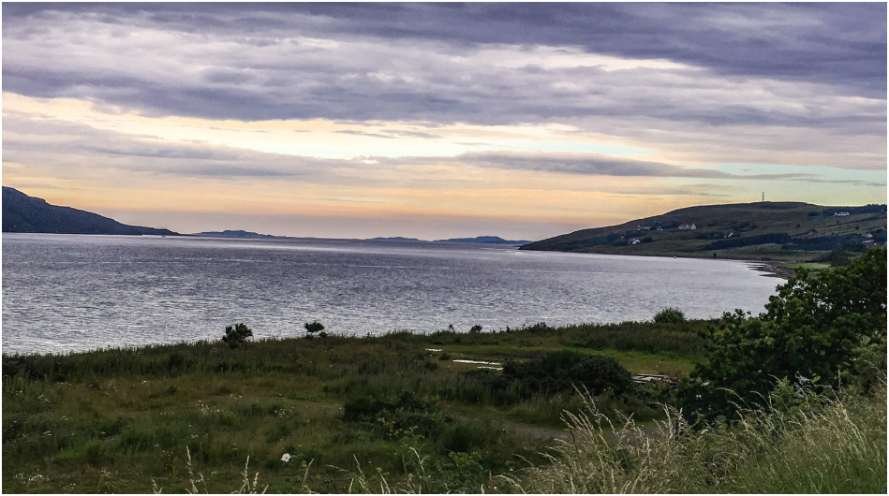

For many US travelers, Scotland feels like the perfect road trip destination until the planning begins. The map looks simple, but the reality can include narrow Highland roads, left-side driving, steep old streets, unpredictable weather, and routes that sound beautiful but feel tiring in practice. That is why a Scotland road trip for seniors needs a smarter plan, not a faster one.
This 7-day Classic Highlands and Lochs route is designed for comfort first. It focuses on smoother A-roads, accessible attractions, fewer hotel changes, scenic viewpoints, and memorable stops that do not require strenuous walking.
You still get Edinburgh, castles, Loch Ness, Glencoe, Fort William, and Loch Lomond, but without turning the trip into a stressful race across Scotland.
What Is the Best Scotland Route for Older Travelers?
The best route for older travelers is one that keeps drive times short, uses smoother roads where possible, and builds in comfortable overnight bases. This itinerary starts in Edinburgh, moves north through Pitlochry and Inverness, continues toward Fort William and Glencoe, then finishes beside Loch Lomond before returning to Edinburgh.
This route works well because it gives you classic Scotland without forcing you into exhausting travel days. You still see Edinburgh Castle, The Kelpies, Stirling Castle, Blair Castle, Loch Ness, Battlefield of Culloden, Urquhart Castle, Glencoe, Fort William, and Loch Lomond. The difference is that each stop has been chosen with comfort, access, and pacing in mind.
Day 1: Arrive in Edinburgh Without Driving
Begin in Edinburgh and do not rent your car on arrival day. After a long flight from the US, I would never suggest driving immediately. Jet lag, unfamiliar roads, and left-side traffic are not a good mix.
Spend your first day enjoying the Royal Mile, Edinburgh Castle, Princes Street Gardens, or a relaxed meal in the Old Town. Use taxis or Uber when the hills feel tiring, especially around steep areas like Calton Hill. Edinburgh is beautiful, but it has cobblestones, slopes, and uneven paths, so comfortable shoes and slow pacing matter.
If visiting Edinburgh Castle, check accessibility options in advance. Some areas are steep, but mobility support and easier transfer options can make the visit more manageable.
Day 2: Drive from Edinburgh to Pitlochry
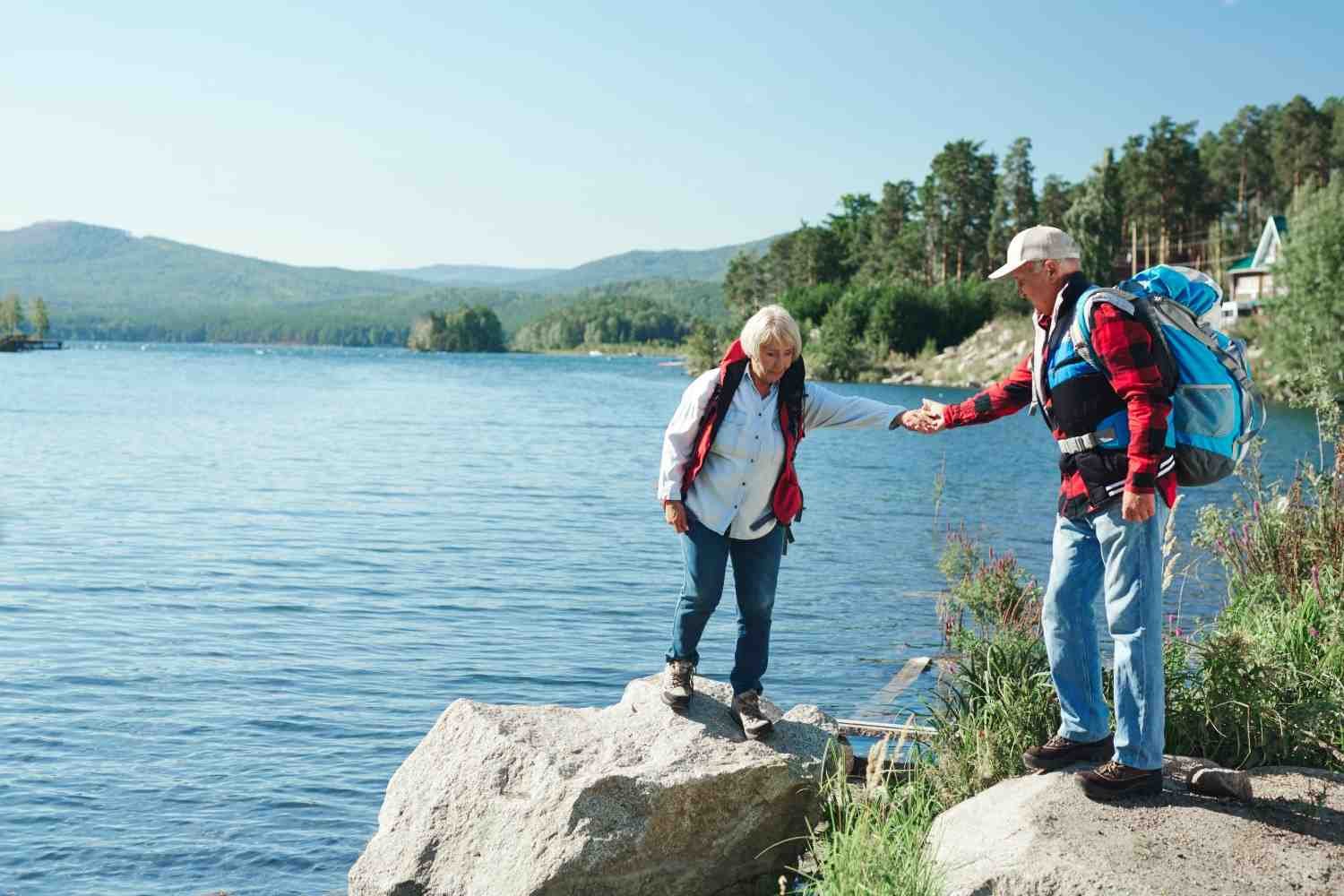
On day two, pick up your rental car and head north. This is where your Scotland road trip for seniors really begins, but the drive stays manageable. Plan around two hours of driving, with easy breaks along the way.
Stop at The Kelpies, one of Scotland’s most striking modern landmarks. The flat, paved paths make it a great senior-friendly stop, and you can enjoy the massive horse-head sculptures without a difficult walk. Continue toward Stirling Castle, where mobility parking may be available near the castle esplanade if arranged ahead.
End the day in Pitlochry, a quiet Victorian town that makes a comfortable overnight base. It feels calmer than a big city, offers good hotels, and gives you a gentle introduction to the Highlands.
Day 3: Pitlochry to Inverness Through the Cairngorms
Drive from Pitlochry toward Inverness using the A9, one of the easiest and most scenic major roads through the Highlands. This route passes through Cairngorms National Park, where mountain views, heather-covered landscapes, and open scenery can be enjoyed right from the car.
Stop at Blair Castle if you enjoy history and heritage. It is a useful senior-friendly attraction because parts of the experience include accessible areas, ramped access, and ground-floor exhibitions. After that, continue to Inverness, which is one of the best hubs for a relaxed Scotland Highlands itinerary for seniors.
Inverness works well because it has practical hotels, restaurants, medical services, shops, and easy access to Loch Ness and Culloden. Staying here for two nights reduces packing and gives the trip a calmer rhythm.
Day 4: Loch Ness Cruise and Culloden Battlefield
Use Inverness as a hub day instead of changing hotels again. This is one of the smartest ways to make a senior friendly Scotland itinerary more enjoyable.
Start with a Loch Ness boat cruise. A cruise from the Clansman Harbour area is a comfortable way to experience the famous loch without dealing with difficult trails or long walks. Modern boats often include heated indoor seating, viewing areas, and easier boarding options, which can be helpful in Scotland’s changing weather.
Later, visit Culloden Battlefield. It is one of the most important historic sites in Scotland and offers a powerful look at the Jacobite story. The visitor center makes the experience easier to understand, and the site can be explored at a pace that suits your comfort level.
Day 5: Inverness to Fort William via Loch Ness
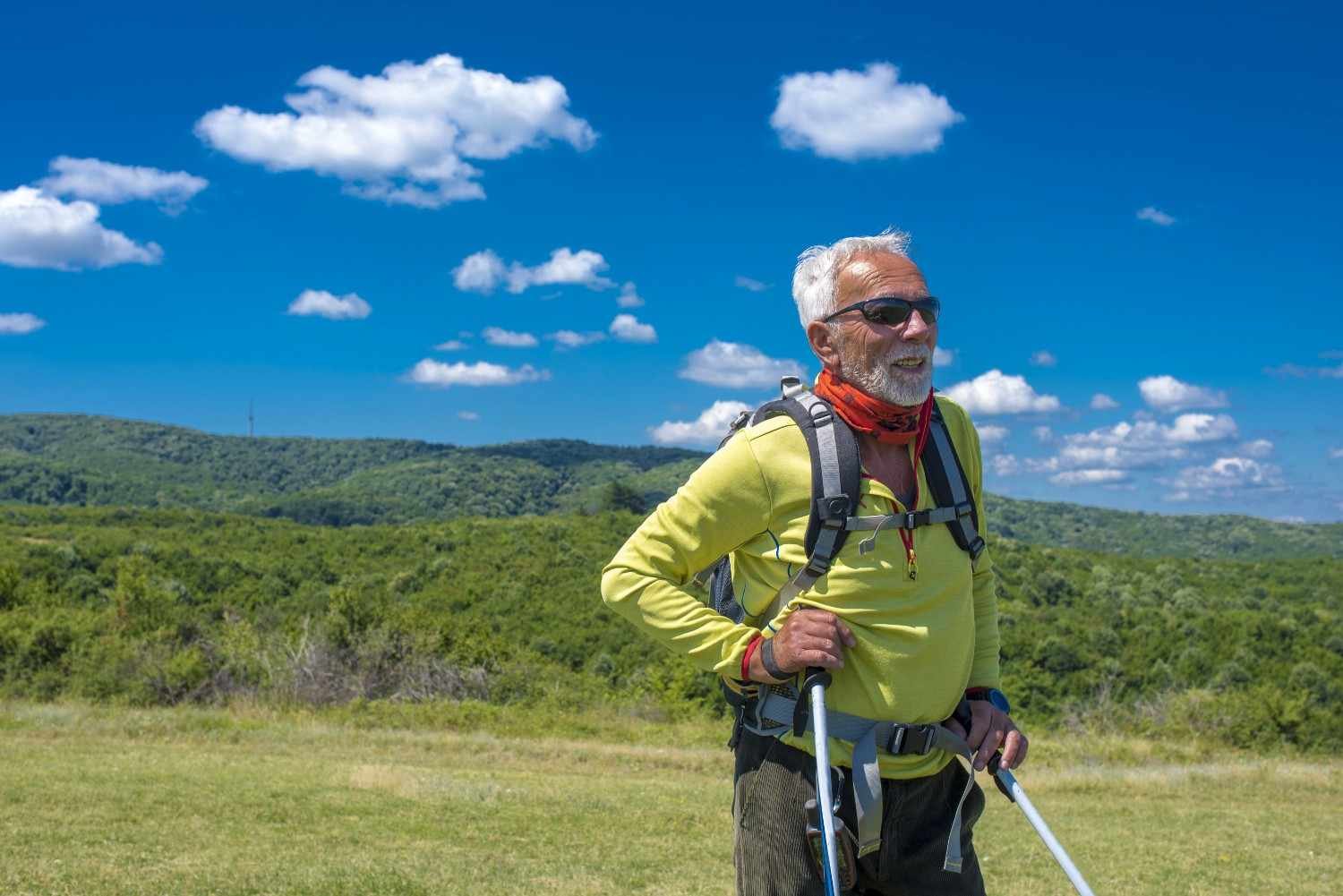
Drive south toward Fort William with scenic stops along Loch Ness. Plan around two hours of driving, but give yourself extra time for breaks and photos.
Urquhart Castle is one of the most famous ruins in Scotland and gives you dramatic views over Loch Ness. Some areas involve steps and uneven ground, so older travelers should check access details before visiting. Even if you do not explore every part of the castle, the views are worth the stop.
The Commando Memorial near Spean Bridge is another excellent senior-friendly stop. It has powerful history, mountain views, and easy access from the parking area. Continue to Fort William for the night, a practical base for Glencoe and the western Highlands.
Day 6: Fort William to Glencoe and Loch Lomond
This day gives you one of Scotland’s most dramatic drives without requiring a strenuous hike. Drive through Glencoe on the A82 and take your time. The valley is often called one of the most beautiful drives in Scotland, and the views are unforgettable.
The best part for seniors is that you can enjoy Glencoe from the road and from large roadside pullouts. You do not need to climb a mountain or take a long trail to feel the scale of the place. Step out safely, take photos, breathe in the Highland air, and continue at your own pace.
End the day at Loch Lomond and The Trossachs National Park. The village of Luss is especially appealing because it has wide, flatter paths leading toward the water. A Loch Lomond boat tour can also be a relaxing way to enjoy the landscape without extra walking.
Day 7: Loch Lomond to Edinburgh
Keep the final day easy. Enjoy a lakeside breakfast or leisurely lunch near Loch Lomond before driving back toward Edinburgh to return the rental car.
I would avoid packing this day with major sightseeing. Give yourself time for fuel, traffic, luggage, and rental return. Ending calmly is just as important as starting calmly, especially when planning a Scotland itinerary for older travelers.
Essential Driving Tips for US Seniors in Scotland

For US visitors, the first major adjustment is left-side driving. Book an automatic car well in advance because many rental cars in Scotland are manual. An automatic allows you to focus on road position, signs, roundabouts, and navigation instead of shifting gears with the opposite hand.
Choose a comfortable vehicle, but do not rent something too large. A mid-size SUV can offer better legroom and easier entry and exit, which helps with stiff joints, but very large vehicles can feel difficult in smaller parking areas.
Use accessibility resources before you go. Euan’s Guide is a helpful platform with first-hand accessibility reviews for attractions, hotels, restaurants, and rest stops. Travelers with hidden conditions such as arthritis, hearing loss, fatigue, or pacing needs may also benefit from the Hidden Disabilities Sunflower Lanyard, especially at airports and busy attractions.
Good planning makes a Scotland road trip for seniors safer and more enjoyable. Keep medication in your carry-on, bring travel insurance, request elevator access or ground-floor rooms, and avoid late-day drives in rural areas. Scotland’s weather changes quickly, so pack layers even in summer.
When Should Seniors Visit Scotland?
May, June, September, and early October are usually the best months for older travelers. June offers long daylight hours, which makes driving feel easier and leaves more time to enjoy lochs, Highland viewpoints, and beautiful castles to visit in Scotland. September often brings fewer crowds, calmer roads, and beautiful scenery. July and August are popular but busier, more expensive, and harder for hotel availability.
Winter can look magical, but it is not ideal for a first senior self-drive trip because daylight is limited and weather can affect rural roads. For most US travelers, late spring or early fall gives the best balance of scenery, comfort, and road confidence.
Is a Self-Drive Trip Better Than a Guided Tour?
A self-drive trip is best if you value flexibility, scenic stops, and privacy. You can pause whenever you want, skip attractions when tired, and choose hotels that match your comfort level.
A small group tour may be better if driving on the left feels stressful or if you prefer having someone else handle navigation, parking, and timing. For seniors who want to visit remote areas, islands, or busier destinations like the Isle of Skye, a guided tour can sometimes reduce travel pressure.
Frequently Asked Questions (FAQs)
1. How many days are enough for a senior-friendly Scotland road trip?
Seven days are enough for a comfortable Classic Highlands and Lochs loop if you keep drive times short and avoid remote routes. A 9 or 10-day trip gives even more breathing room.
2. Is the North Coast 500 suitable for seniors?
The North Coast 500 can be beautiful, but it may not suit all seniors because of narrow single-track roads, blind corners, remote sections, and fewer amenities. A classic Highland loop is usually easier.
3. Is Scotland easy for older US travelers to drive around?
Scotland is manageable for confident US drivers, but left-side driving, roundabouts, and narrow rural roads take adjustment. Booking an automatic car and using A-roads makes the trip easier.
4. What is the best month for seniors to visit Scotland?
June and September are two of the best months because they offer good daylight, scenic views, and a more comfortable travel experience than peak summer.
5. What are the most senior-friendly stops on this route?
The Kelpies, Pitlochry, Blair Castle, Loch Ness cruises, the Commando Memorial, Glencoe viewpoints, Luss, and Loch Lomond are some of the easiest and most rewarding stops.
Final Thoughts
A senior-friendly Scotland route should not feel like a race. The best trip uses smooth roads, practical overnight bases, accessible stops, and scenic places that are easy to enjoy.
This Classic Highlands and Lochs loop gives US travelers a comfortable way to see Edinburgh, Pitlochry, Inverness, Loch Ness, Fort William, Glencoe, and Loch Lomond without the stress of remote single-track routes.
If I were planning this journey for older travelers, I would choose comfort over distance every time and prepare a simple Scotland road trip packing list before leaving, with weather layers, comfortable shoes, medication, travel documents, and driving essentials.
Scotland becomes far more rewarding when you slow down, stay longer in the right places, and let the castles, lochs, glens, and villages shape the journey naturally.