
Food often reveals more about a place than any museum or guidebook ever could. Sit down for a meal, and you’ll quickly discover what people value, how communities evolved, and which traditions have survived through generations. Scotland is a perfect example. Its food culture tells a story of resilience, resourcefulness, and a deep connection to the land and sea.
Many people associate Scottish cuisine with a handful of famous dishes, but Scottish food culture runs much deeper than haggis and shortbread. Shaped by rugged coastlines, rolling farmland, remote islands, and centuries of tradition, it reflects a way of life that has always depended on making the most of local ingredients. The result is a culinary identity that feels both deeply rooted and surprisingly relevant today.
The Landscape Behind Scottish Food Culture
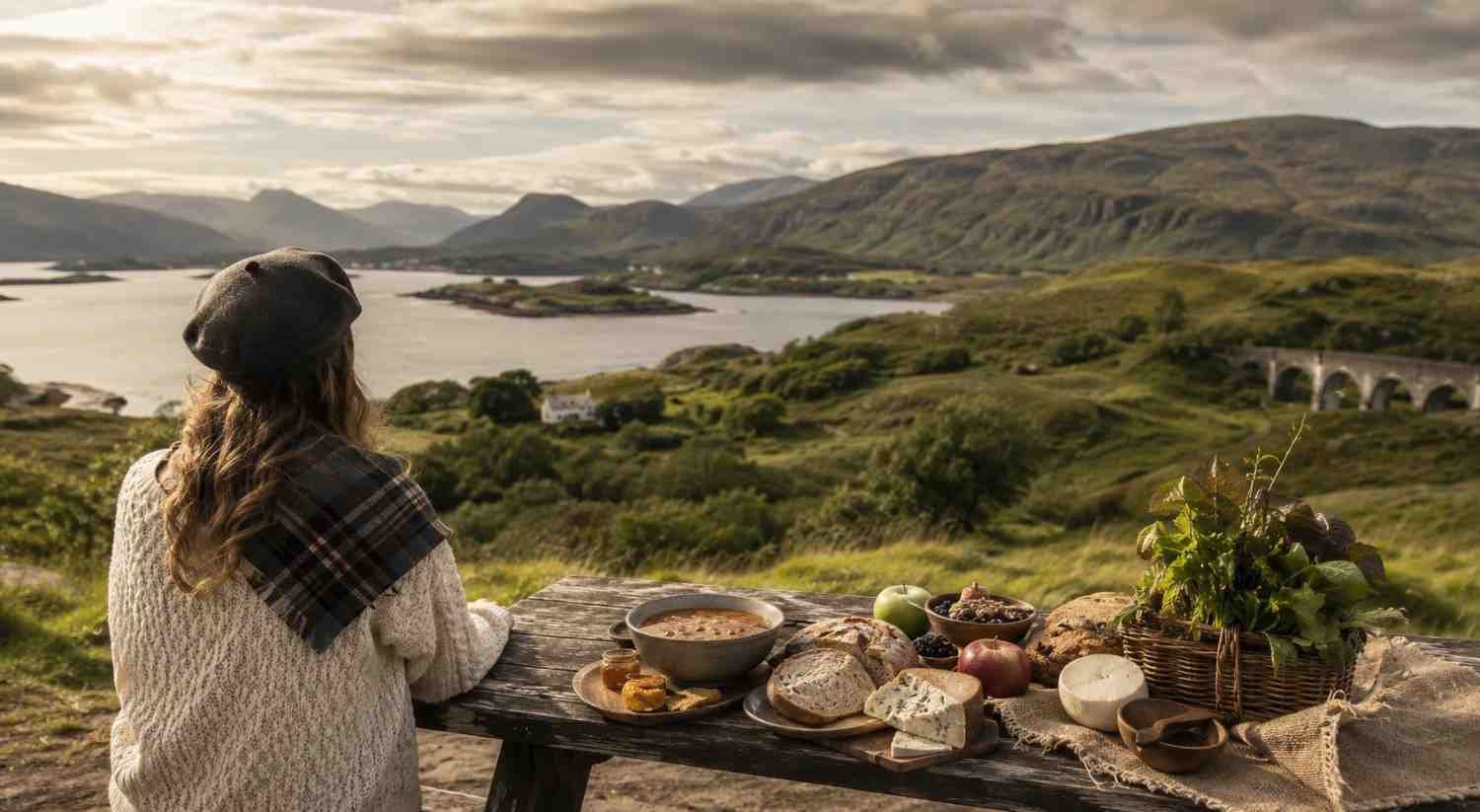
One of the defining characteristics of Scottish food culture is the country’s natural larder. Geography plays a major role in determining what appears on the table, and Scotland’s varied landscape provides an impressive range of ingredients.
The Highlands support wild game such as venison and grouse, while fertile farming regions produce some of the world’s most respected livestock. Aberdeen Angus beef and native Scotch lamb have earned international recognition because of the quality that comes from grass-fed farming practices and carefully managed grazing land.
Along the coast, the story changes again. Cold Atlantic waters provide abundant seafood, including salmon, langoustines, scallops, oysters, and haddock. Fishing communities have relied on these resources for generations, creating recipes and traditions that remain important parts of local life.
This close relationship with the environment has encouraged a strong appreciation for seasonal ingredients and local produce. Rather than relying on elaborate preparation, many Scottish dishes allow the quality of the ingredients to speak for themselves.
Simple Ingredients With Deep Cultural Roots
Scottish cuisine developed from practicality. For centuries, families worked with ingredients that were readily available and capable of enduring harsh weather conditions.
Oats, Root Vegetables, and Everyday Staples
Oats have long served as one of the foundations of Scottish cooking. They appear in porridge, oatcakes, soups, and many traditional recipes. Their durability made them an essential crop in regions where other grains struggled to thrive.
Root vegetables such as potatoes, turnips, and carrots also became household staples. These ingredients provided nourishment throughout long winters and continue to feature prominently in many Scottish dishes today.
Baking traditions emerged from the same practical mindset. Foods such as shortbread and oatcakes offered portability and longevity, making them valuable companions for travelers, farmers, and workers who spent long days outdoors.
Seafood and Coastal Influence
Scotland’s coastal communities developed their own culinary traditions centered around seafood. Smoked fish became especially important as a preservation method long before refrigeration existed.
Peat smoke gave distinctive flavor to products like finnan haddie, while Arbroath smokies became a regional specialty celebrated for their rich, smoky character. Even today, smoking remains one of the most recognizable elements of Scottish culinary heritage.
The Traditional Dishes That Tell Scotland’s Story

Some foods become symbols of a nation because they capture both history and identity. Scotland has several dishes that have earned that distinction.
Haggis remains perhaps the most famous example. Made from sheep’s pluck, oatmeal, suet, and spices, it originated from a tradition of using every part of an animal efficiently. While the ingredients may surprise newcomers, the dish represents resourcefulness and respect for available resources.
Cullen Skink offers another glimpse into Scottish culinary traditions. This hearty soup combines smoked haddock, potatoes, and onions to create a comforting meal that reflects the country’s coastal heritage.
Stornoway Black Pudding showcases the importance of regional ingredients. Made with Scottish oatmeal and local beef suet, it demonstrates how specific communities developed distinctive food traditions that continue to attract attention today.
Many visitors begin exploring Scottish cuisine through these famous dishes, but the broader world of traditional Scottish food extends far beyond a few well-known recipes. Scotch broth, cranachan, tablet, oatcakes, and countless regional specialties all contribute to the rich diversity of Scotland’s food heritage.
Food Traditions That Bring Communities Together
Scottish food culture is not only about ingredients and recipes. It is equally about shared experiences and social rituals.
The Burns Supper
Few food traditions illustrate this better than the Burns Supper. Held each year to honor poet Robert Burns, the celebration combines literature, music, and food into a memorable cultural event.
Guests traditionally enjoy haggis served alongside neeps and tatties while participating in readings, speeches, and performances. The meal becomes more than dinner; it serves as a celebration of Scottish identity and heritage.
High Tea, Markets, and Family Gatherings
High tea remains another cherished tradition. Unlike the lighter afternoon tea often associated with delicate pastries, Scottish high tea typically features hearty savory dishes, scones, traybakes, and baked goods designed to satisfy after a full day’s work.
Local farmers’ markets, community gatherings, and family meals continue to play an important role as well. Recipes are often passed between generations, preserving techniques and flavors that might otherwise disappear.
These traditions help transform food from a necessity into an expression of community and belonging.
How Scottish Food Culture Continues to Evolve?

While tradition remains important, Scottish food culture is far from static. Modern chefs and food producers are finding new ways to celebrate historic ingredients while adapting to contemporary tastes.
Many restaurants now emphasize farm-to-table sourcing, seasonal menus, and sustainable seafood practices. Local producers increasingly highlight regional specialties and traditional methods that distinguish Scottish products from mass-produced alternatives.
At the same time, younger generations are showing renewed interest in culinary heritage. Classic recipes are being revisited, refined, and reintroduced to new audiences without losing their cultural significance.
This balance between preservation and innovation allows Scottish cuisine to remain relevant while maintaining its authenticity.
Why Food Plays Such an Important Role in Scottish Identity
Food serves as a living connection between Scotland’s past and present. Every smoked haddock, bowl of porridge, or serving of haggis carries traces of history, geography, and community traditions.
Unlike food cultures built primarily around luxury or extravagance, Scottish cuisine developed through adaptation and practicality. The dishes that survived did so because they nourished people, supported communities, and reflected the realities of everyday life. That authenticity continues to resonate with both residents and visitors.
FAQs: What Makes Scottish Food Culture Unique? A Journey Through Flavor and Tradition
1. What is the most famous dish in Scottish food culture?
Haggis is widely considered the most iconic Scottish dish due to its strong connection to national identity and cultural celebrations such as Burns Night.
2. Why are oats so important in Scottish cuisine?
Oats grow well in Scotland’s climate and have historically provided a reliable source of nutrition. They remain a key ingredient in porridge, oatcakes, and many traditional recipes.
3. What seafood is Scotland known for?
Scotland is particularly known for salmon, langoustines, oysters, scallops, and smoked haddock, all of which benefit from the country’s cold coastal waters.
4. How has Scottish food culture changed in recent years?
Modern Scottish cuisine increasingly emphasizes local sourcing, sustainability, seasonal ingredients, and creative interpretations of heritage recipes while maintaining strong ties to tradition.
Why These Flavors Continue to Matter
Scottish food culture remains distinctive because it reflects something larger than cooking alone. It represents a relationship with the landscape, a respect for local ingredients, and a commitment to preserving traditions that have endured for centuries. From coastal fishing villages to Highland farms, the foods people prepare and share continue to tell stories about community, history, and identity. Even as tastes evolve, those foundations remain remarkably strong.
The flavors may change with time, but the connection between food, place, and tradition continues to define Scotland’s culinary character.