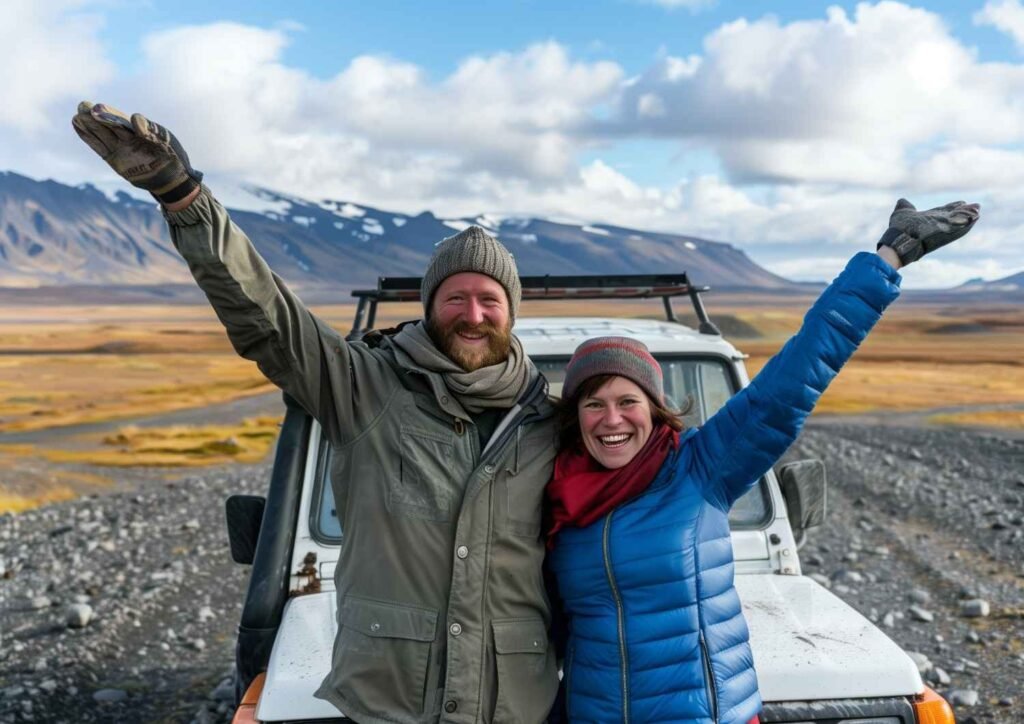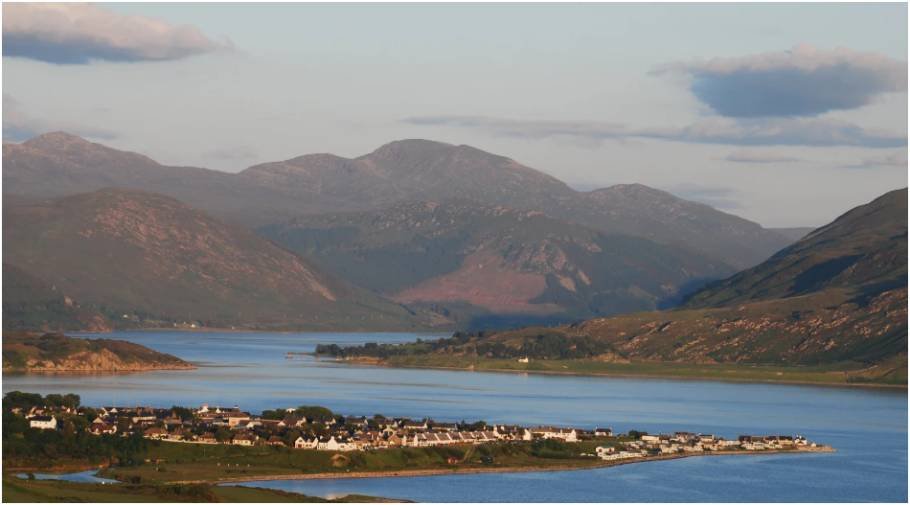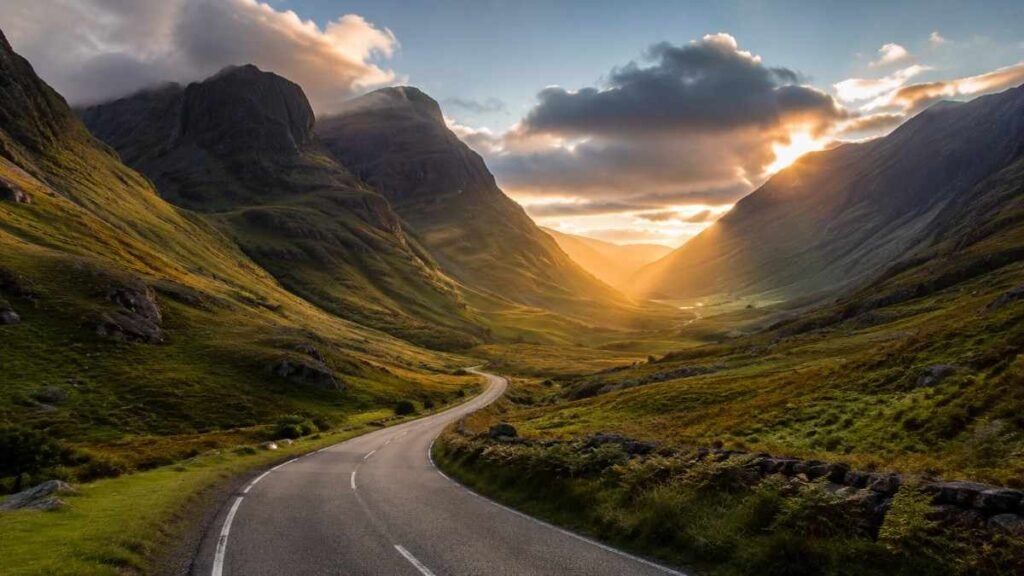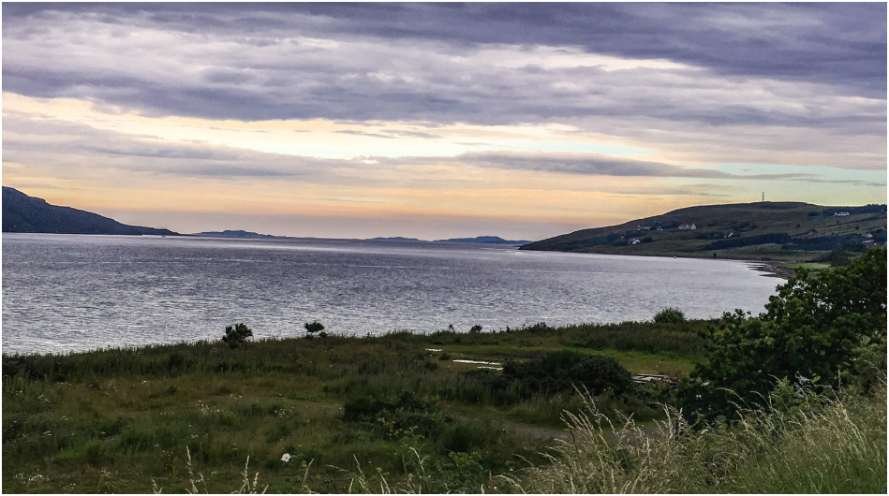

A Scotland campervan trip gives US travelers the kind of road vacation that feels both wild and easy to love. I wanted this route to feel realistic, scenic, and packed with the places most first-time visitors dream about: misty lochs, dramatic glens, Highland castles, colorful villages, and the Isle of Skye.
This Scotland campervan itinerary starts and ends in Edinburgh, which makes it practical for travelers flying in from the US and renting a campervan near the capital.
Instead of rushing through too many regions, this 7-day route focuses on the Scottish Highlands, Loch Ness, Isle of Skye, Glencoe, Loch Lomond, and Stirling. It gives you manageable driving days, smart overnight stops, and enough flexibility to enjoy Scotland’s weather, scenery, and slower pace.
What Is the Best 7-Day Scotland Campervan Route from Edinburgh?
The best 7-day campervan route from Edinburgh should form a smooth loop instead of forcing long backtracking. This route heads north through Pitlochry and the Cairngorms, moves west toward Loch Ness and Skye, then returns south through Fort William, Glencoe, Loch Lomond, Stirling, and Edinburgh.
That order works especially well for US travelers because it starts with easier driving before the roads become narrower and more remote. It also gives you a strong mix of mountain landscapes, castles, whisky country, island scenery, and historic stops without turning every day into a marathon.
Day 1: Edinburgh to Pitlochry and Cairngorms National Park
Start your trip by leaving Edinburgh and driving toward the Highlands. As you cross the Queensferry Crossing, you get a beautiful first look at the Firth of Forth before continuing north. I would keep this day relaxed because many US travelers are still adjusting to the time change and driving on the left side of the road.
Pitlochry makes a perfect first stop. This Victorian resort town has coffee shops, local baking, riverside walks, and a gentle Highland feel without being too remote. After lunch, continue toward Cairngorms National Park and aim for an overnight campsite near Aviemore. Sleeping under the pine trees here feels like a calm start before the bigger landscapes ahead.
Day 2: Cairngorms to Inverness and Loch Ness
On day two, drive through the Cairngorms and toward Inverness, with the option to pass through Speyside whisky country. Even if you do not book a distillery tour, the scenery makes this part of the drive worthwhile.
Before reaching Loch Ness, consider visiting Culloden Battlefield. It adds important historical depth to the trip and gives the route more than just scenery. In the afternoon, head to Urquhart Castle, one of the most atmospheric castle ruins in Scotland. Its position above Loch Ness gives you the classic view many travelers expect from the Highlands.
For the night, choose a designated campsite or legal overnight parking area near the quieter side of the loch. This is a good day to slow down, cook in the campervan, and enjoy the darker, moodier side of Scotland.
Day 3: Loch Ness to Eilean Donan Castle and Isle of Skye
Day three takes you from Loch Ness to the Isle of Skye, and it may be one of the most memorable driving days of the trip. Follow the A87 west toward Eilean Donan Castle, a fortress that looks almost designed for postcards. It sits where three sea lochs meet and makes an ideal stop before crossing the Skye Bridge.
Once you arrive on Skye, head toward Portree, the island’s colorful harbor town. Portree works well as a base because it has food, fuel, shops, and access to several major sightseeing routes. Since Skye is extremely popular with campervans, I would book a formal campsite in advance instead of relying on last-minute overnight parking.
Day 4: Best Isle of Skye Campervan Stops
Give Skye a full day because the island deserves more than a quick drive-through. Start early with the Old Man of Storr, one of the most famous hikes and viewpoints in Scotland. After that, continue around the Trotternish Peninsula toward the Quiraing, where landslides created one of the most unusual landscapes in the Highlands.
Mealt Falls and Kilt Rock are also worth a stop, especially if the weather is clear. If clouds roll in, do not treat the day as ruined. Skye looks dramatic in mist, and a slower day with seafood, short walks, and harbor views can feel just as memorable as a packed sightseeing schedule.
For dinner, many travelers like the Carbost area, especially if they want fresh seafood. Spend a second night on Skye so you do not have to rush back to the mainland in the dark.
Day 5: Isle of Skye to Fort William and Glencoe
Leave Skye and drive south toward Fort William, passing back through some of the most scenic roads in the western Highlands. Fort William sits at the foot of Ben Nevis, the highest mountain in the UK, so it is a practical place to stop for groceries, fuel, and mountain views.
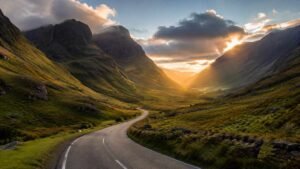
From there, continue into Glencoe. This volcanic valley is one of the most dramatic places in Scotland, with towering peaks, dark history, and moody weather that makes the scenery even stronger.
I would stop at viewpoints rather than rushing straight to the campsite. The Three Sisters viewpoint and the Glencoe Visitor Centre both help you understand why this valley appears in so many Scotland road trip guides.
Stay overnight at a dedicated campsite in or near Glencoe. It is the kind of place where you want to park, step outside, and let the mountains do the talking.
Day 6: Glencoe to Loch Lomond and The Trossachs
Day six brings you south through Rannoch Moor, a wide, haunting landscape that feels remote even from the road. The drive from Glencoe toward Loch Lomond is not especially long, but it offers some of the most memorable scenery of the route.
Once you reach Loch Lomond and The Trossachs National Park, explore villages such as Luss, Balmaha, or Balloch, depending on where you plan to stay. This area is beautiful, but it also has seasonal camping rules in certain zones. Do not assume you can park overnight anywhere near the loch. Use a formal campsite, a permitted camping area, or an authorized motorhome space.
This is a good night to enjoy a slower final evening in the campervan before returning to Edinburgh.
Day 7: Loch Lomond to Stirling Castle and Edinburgh
On the final day, drive from Loch Lomond toward Stirling before returning to Edinburgh. Stirling Castle is one of the best final stops because it connects Scottish history with an easy route back to the capital. If you enjoy filming locations, Doune Castle is another strong option because it appears in Outlander and Monty Python.
Try not to plan too many stops before your campervan return time. Give yourself enough space to refuel, clean the van, pack your bags, and reach the rental depot without stress. If your international flight leaves the next morning, spending one final night in Edinburgh is much easier than rushing straight from the road to the airport.
What Campervan Rules Should US Travelers Know in Scotland?
The most important rule is that Scottish wild camping rights do not mean campervans can sleep anywhere. Wild camping access mainly applies to lightweight camping, not motorized vehicles. With a campervan, you should use official campsites, approved overnight parking, community-run Aires, signed motorhome spaces, or private land with permission.
Single-track roads are another major adjustment. Use passing places properly, never park in them, and let faster local drivers overtake when safe. On Skye and the west coast, this is not just polite; it keeps traffic moving and reduces tension between visitors and residents.
Midges can also surprise US travelers. From May through September, pack strong insect repellent and consider a head net for warm, still evenings near water.
Where Should You Stay Overnight on a Scotland Campervan Trip?
For a smooth Scotland campervan itinerary, book campsites in high-demand areas such as Skye, Glencoe, Loch Lomond, and the Cairngorms. Campsites give you showers, toilets, waste disposal, water refills, and peace of mind, especially if you are following a longer Scotland Highlands road trip itinerary with multiple overnight stops.
Apps can help you find legal stopovers, but always check signs and local rules when you arrive. If an area says no overnight parking, move on. Scotland’s landscapes stay beautiful when travelers use proper facilities and respect small communities.
FAQs About a 7-Day Scotland Campervan Route
1. Is 7 days enough for the Highlands and Isle of Skye?
Yes, seven days is enough for Edinburgh, Cairngorms, Loch Ness, Isle of Skye, Glencoe, Loch Lomond, and Stirling if you follow a focused loop and avoid adding the full North Coast 500.
2. What is the best month for a campervan trip in Scotland?
May, June, September, and early October are excellent months because they usually offer a better balance of daylight, scenery, and manageable crowds. July and August are popular but busier.
3. Can Americans drive a campervan in Scotland?
Yes, Americans can usually rent and drive a campervan in Scotland with a valid driver’s license, passport, and rental documents. Always check the rental company’s age, insurance, and deposit rules.
4. Should I book campsites before arriving?
Yes, book ahead for Skye, Glencoe, Loch Lomond, and summer travel dates. Popular campervan areas can fill quickly, especially during school holidays and peak travel months.
Final Thoughts
This Scotland campervan itinerary gives first-time US visitors a route that feels adventurous without becoming exhausting. I like this loop because it includes the places travelers most want to see, but it still leaves room for slow mornings, scenic pull-offs, castle stops, and quiet evenings by the van.
If you want Highlands, Skye, Loch Ness, Glencoe, Loch Lomond, and Edinburgh in one trip, this 7-day route is a strong place to start. Book the right overnight stops, respect local campervan rules, and give yourself permission to enjoy the road instead of rushing through it.