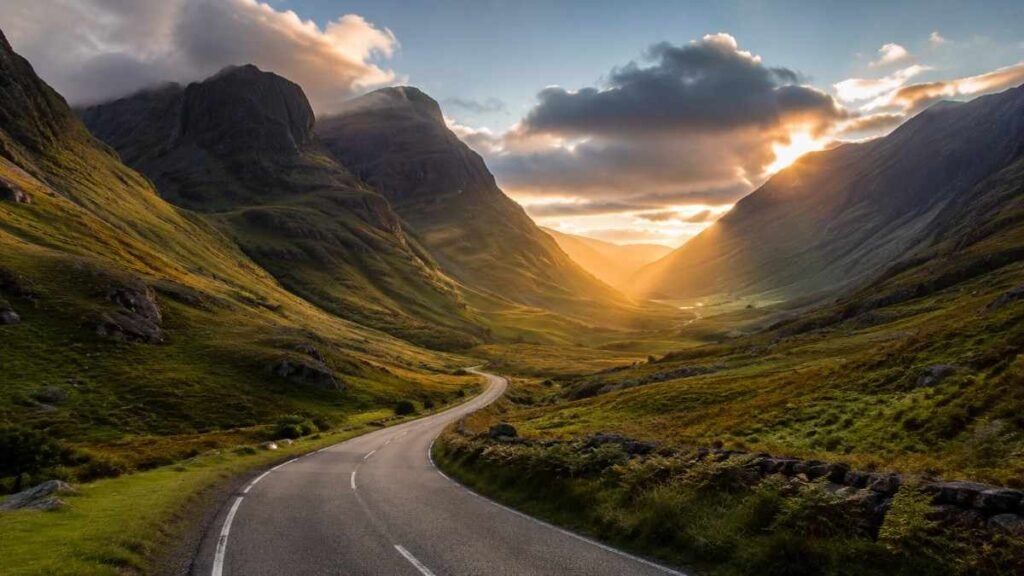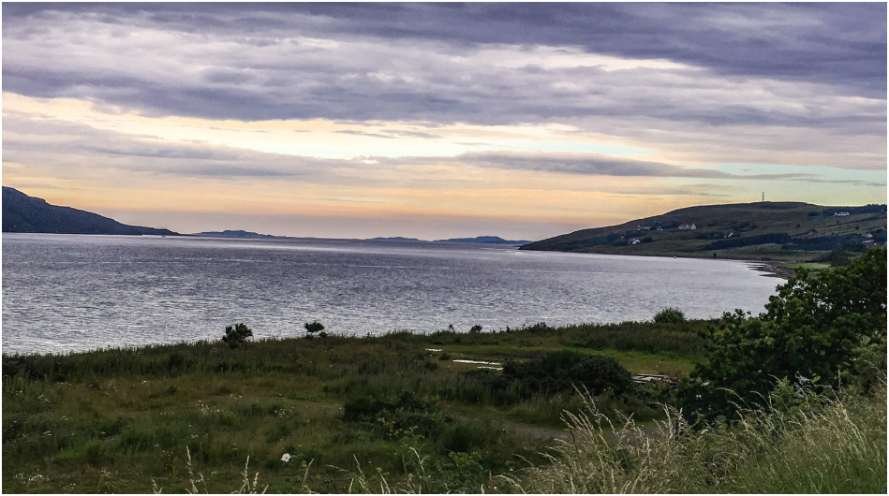
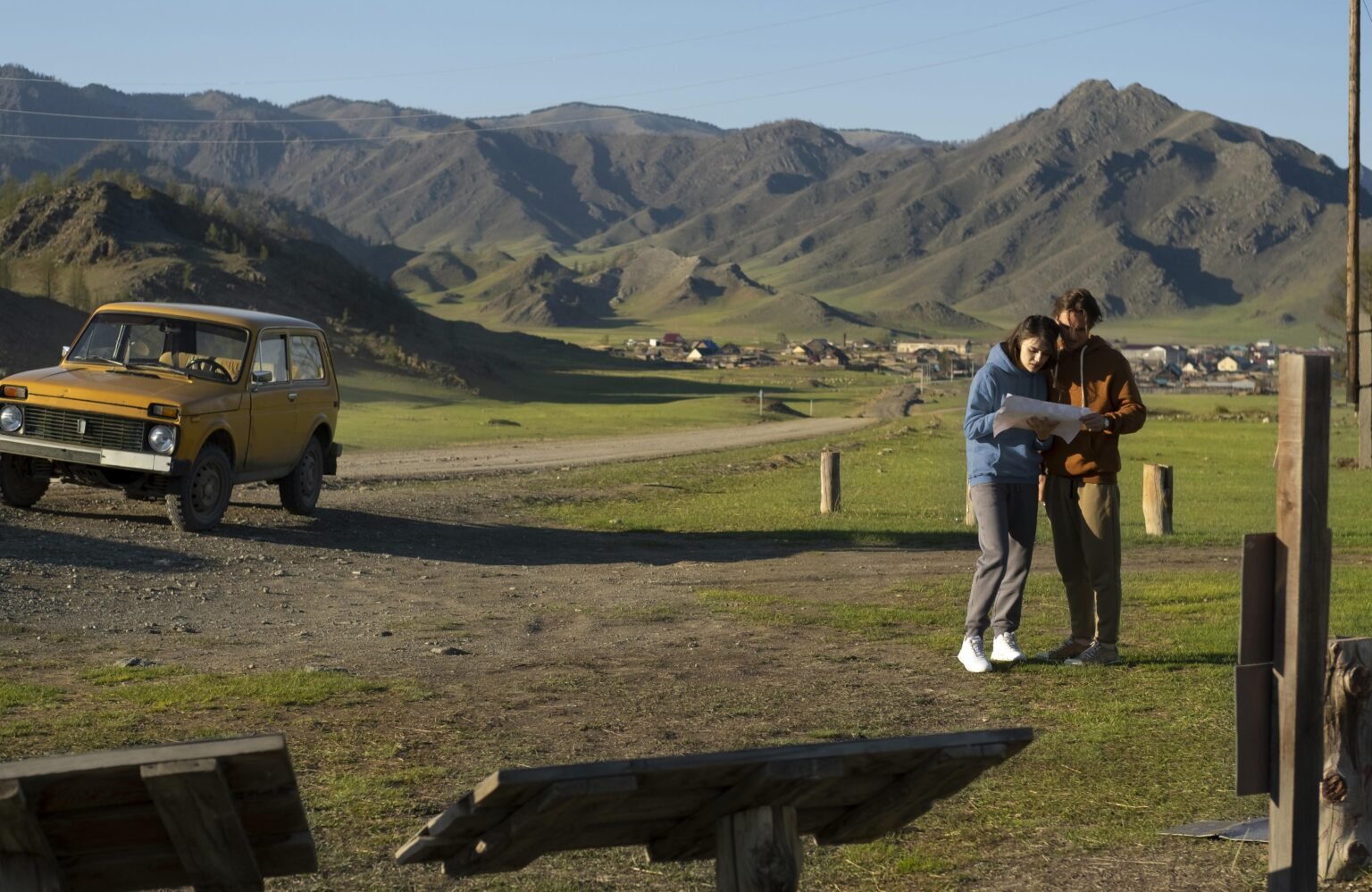
Planning a Scotland Highlands road trip itinerary from the US can feel exciting and intimidating at the same time. I know how easy it is to look at a map, see short distances, and assume the trip will be simple.
Then you realize the Highlands have narrow single-track roads, left-side driving, roundabouts, sudden weather changes, and photo stops around almost every bend.
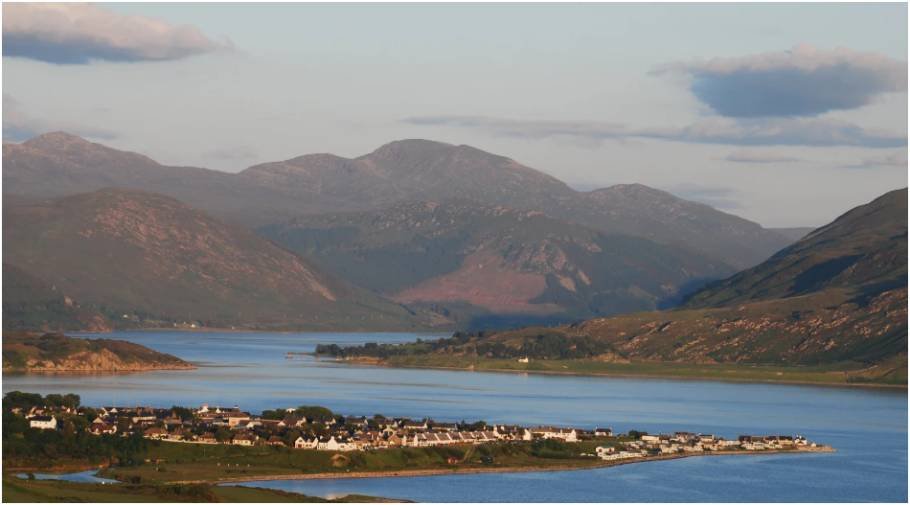
This 7-day circular route starts and ends in Edinburgh or Glasgow, making it ideal for first-time visitors. It covers Pitlochry, Cairngorms National Park, Inverness, Loch Ness, Isle of Skye, Fort William, Glencoe, Loch Lomond, iconic castles, mystical glens, and dramatic coastal scenery without turning the trip into a rushed checklist.
Is This the Best Scottish Highlands Road Trip for First-Time Visitors?
For a first visit, I think a circular Highlands and Skye route works better than a straight out-and-back drive. It gives you a smoother travel flow, reduces unnecessary backtracking, and lets you experience different sides of Scotland each day. You get historic towns, mountain roads, lochs, castles, islands, and coastal villages in one well-balanced trip.
This Scotland Highlands road trip itinerary works especially well for US travelers because it keeps most daily drive times manageable. You still need to respect the roads, though. A two-hour drive in Scotland can feel longer than a two-hour interstate drive in America because of slower speeds, tight bends, livestock, parking stops, and scenic pullouts.
Day 1: Edinburgh or Glasgow to Pitlochry
Start your trip from either Edinburgh or Glasgow after picking up your rental car. Glasgow is slightly easier for reaching the Highlands quickly, while Edinburgh is perfect if you want a few days of city sightseeing before the road trip begins.
Head north toward Perthshire and make your first stop at The Kelpies near Falkirk. These massive horse-head sculptures are dramatic, photogenic, and easy to visit without a long detour. Continue to Stirling Castle, a grand fortress built high on volcanic rock. It gives you a strong dose of Scottish history before the scenery gets wilder.
Before reaching Pitlochry, stop in Dunkeld, a storybook village beside the River Tay. The riverside cathedral, stone cottages, and peaceful setting make it a lovely introduction to Highland charm. Stay overnight in Pitlochry, a Victorian town with cozy hotels, restaurants, and easy access to the Cairngorms route.
Day 2: Pitlochry to Inverness Through Cairngorms National Park
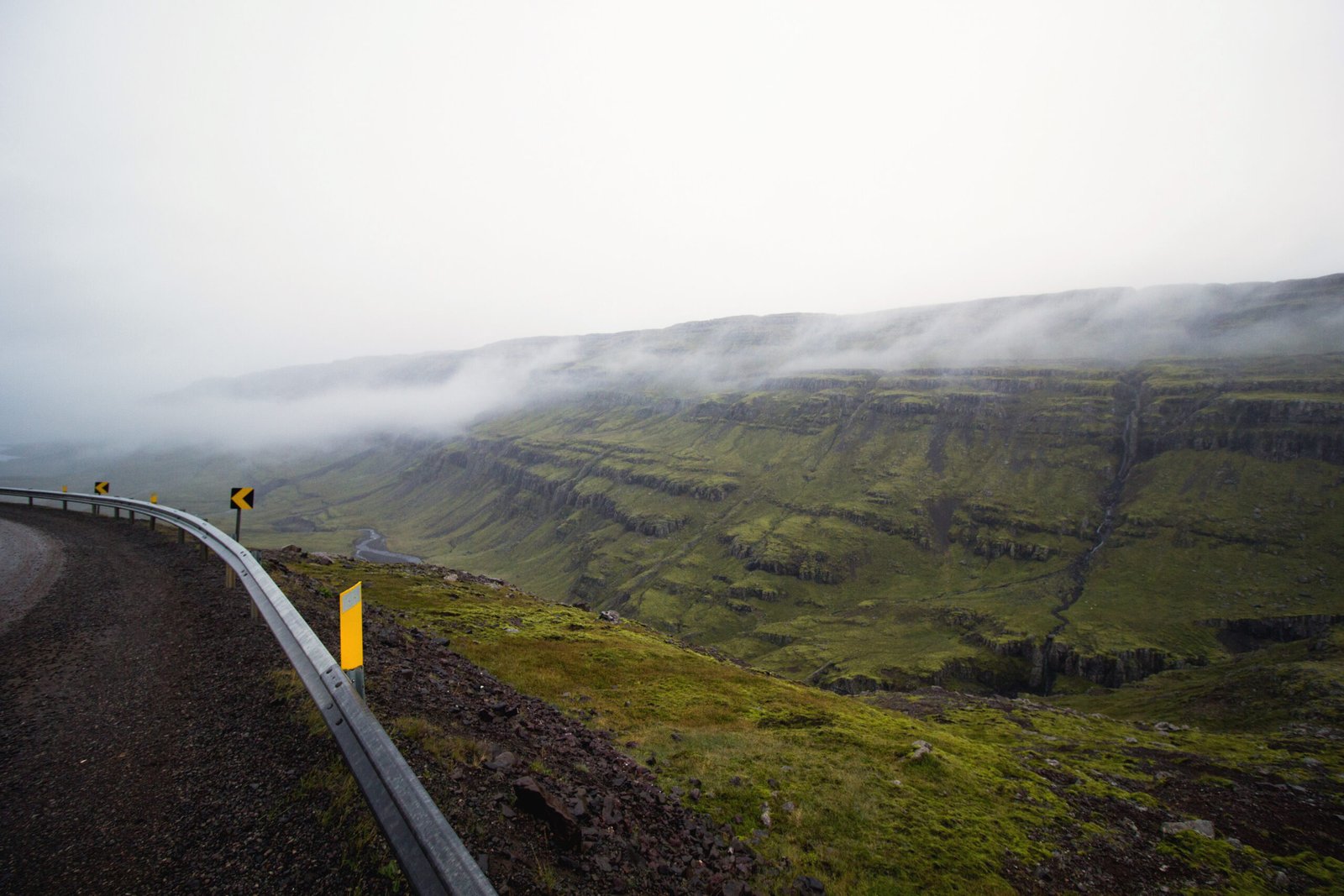
On Day 2, take the A9 north through Cairngorms National Park. This part of the drive introduces you to open mountain landscapes, forests, rivers, and wide Highland skies. The scenery feels different from Skye or Glencoe, which makes it a valuable part of the route.
Blair Castle is a worthwhile stop if you enjoy historic estates and Scottish heritage. It is also known as the home of Europe’s only remaining private army, which gives it a memorable story angle. Continue toward Newtonmore and visit the Highland Folk Museum if you want to understand older Highland life in a more visual, hands-on way.
Before arriving in Inverness, stop at Culloden Battlefield. It is a powerful and atmospheric site connected to the final Jacobite rising. I would not rush this stop because it adds emotional depth to the trip. Spend the night in Inverness, the capital of the Highlands, where you will find reliable lodging, restaurants, fuel, and supplies.
Day 3: Inverness to the Isle of Skye via Loch Ness
Leave Inverness and drive southwest along Loch Ness. Even though the monster legend gets most of the attention, the loch itself is beautiful, long, dark, and surrounded by moody Highland scenery.
Urquhart Castle is the best stop along Loch Ness. The ruins sit right beside the water and give you one of the most classic views in Scotland. From there, continue west toward Eilean Donan Castle, one of the most photographed castles in the country.
It stands on a small island where three sea lochs meet, and it looks exactly like the Scotland many Americans imagine before they arrive.
After Eilean Donan, cross the Skye Bridge and continue to Portree. This colorful harbor town is the best base for exploring the Isle of Skye road trip itinerary because it has restaurants, shops, gas, and easy access to the island’s top landscapes.
Day 4: What Are the Best Isle of Skye Stops?
Spend Day 4 exploring the Trotternish Peninsula, the most iconic part of Skye for first-time visitors. Start early because parking can fill quickly, especially in summer.
The Old Man of Storr should be your first major stop. The hike is steep in sections, but the views are unforgettable if the weather cooperates. Continue to the Quiraing, a surreal landscape shaped by an ancient landslide. This is one of the most dramatic places in the Scottish Highlands, with sharp ridges, green slopes, and winding roads.
Kilt Rock and Mealt Falls are also worth visiting. The basalt cliffs resemble pleats in a kilt, while the waterfall drops toward the sea. If time allows, you can add Fairy Glen or the Fairy Pools, but I would avoid overpacking the day. Skye rewards slow travel, and bad weather can change your timing fast.
Stay a second night in Portree so you do not have to rush off the island.
Day 5: Isle of Skye to Fort William
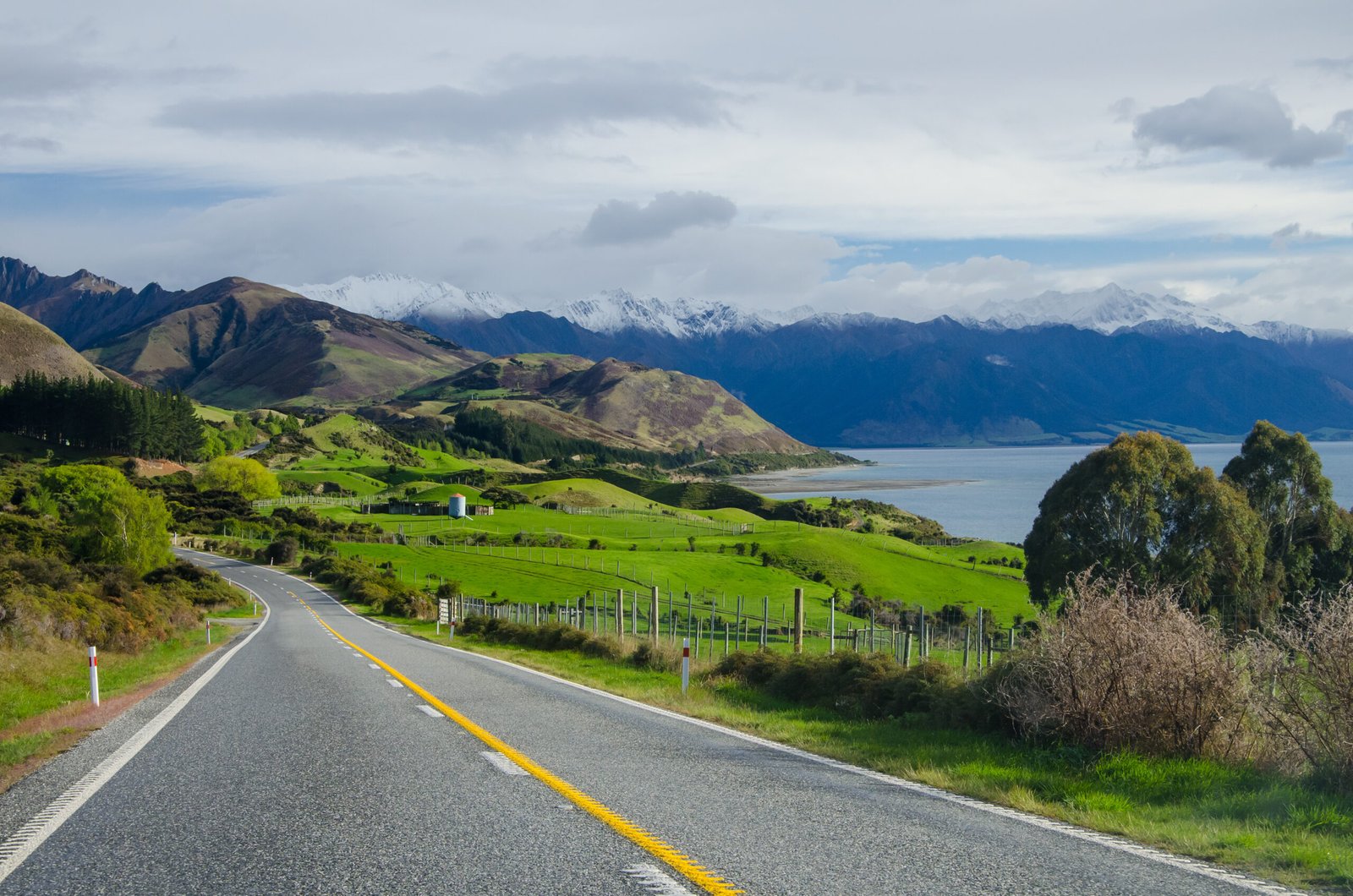
On Day 5, make your way from Skye toward Fort William. You can drive back over the Skye Bridge or head to Armadale and take the ferry to Mallaig. The ferry route feels more adventurous, but you should check schedules and book ahead when needed.
If you have not visited the Fairy Pools yet, you can stop before leaving Skye. These clear blue pools sit below the Black Cuillin mountains and are especially beautiful on a bright day. After reaching the mainland, continue along the Road to the Isles toward Glenfinnan Viaduct.
Try to time your visit with the Jacobite Steam Train if it is running. Many travelers know it as the Harry Potter train, but even without the train, the viaduct and surrounding hills are worth seeing. End the day in Fort William, which sits below Ben Nevis, the highest peak in the UK.
Day 6: Fort William to Loch Lomond Through Glencoe
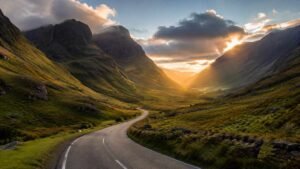
This is one of the most scenic days of the entire trip. Drive south on the A82 through Glencoe, a valley famous for its haunting beauty, steep mountains, and dramatic atmosphere. Stop at the Three Sisters viewpoints and give yourself time to take it in.
If road conditions and daylight allow, drive part of Glen Etive Road. This single-track road cuts into a wild valley where you may see deer, mountains, and open moorland. It is beautiful, but it demands patience and careful driving.
Continue toward Loch Lomond and stop in Luss, a picture-perfect conservation village on the western shore. Stay overnight in Loch Lomond or Balloch so your final day back to the city feels easy.
Day 7: Loch Lomond to Edinburgh or Glasgow
Spend your final morning around Loch Lomond before returning your rental car. A boat cruise is a relaxing way to enjoy the water, while Conic Hill is a great option if you want a short hike with wide views.
From Loch Lomond, Glasgow is about one hour away, while Edinburgh usually takes closer to one and a half hours depending on traffic. I would avoid scheduling a tight flight connection on this day. Give yourself enough time for fuel, rental car return, luggage, and city traffic.
Should You Choose the Classic Highlands Route or the NC500?
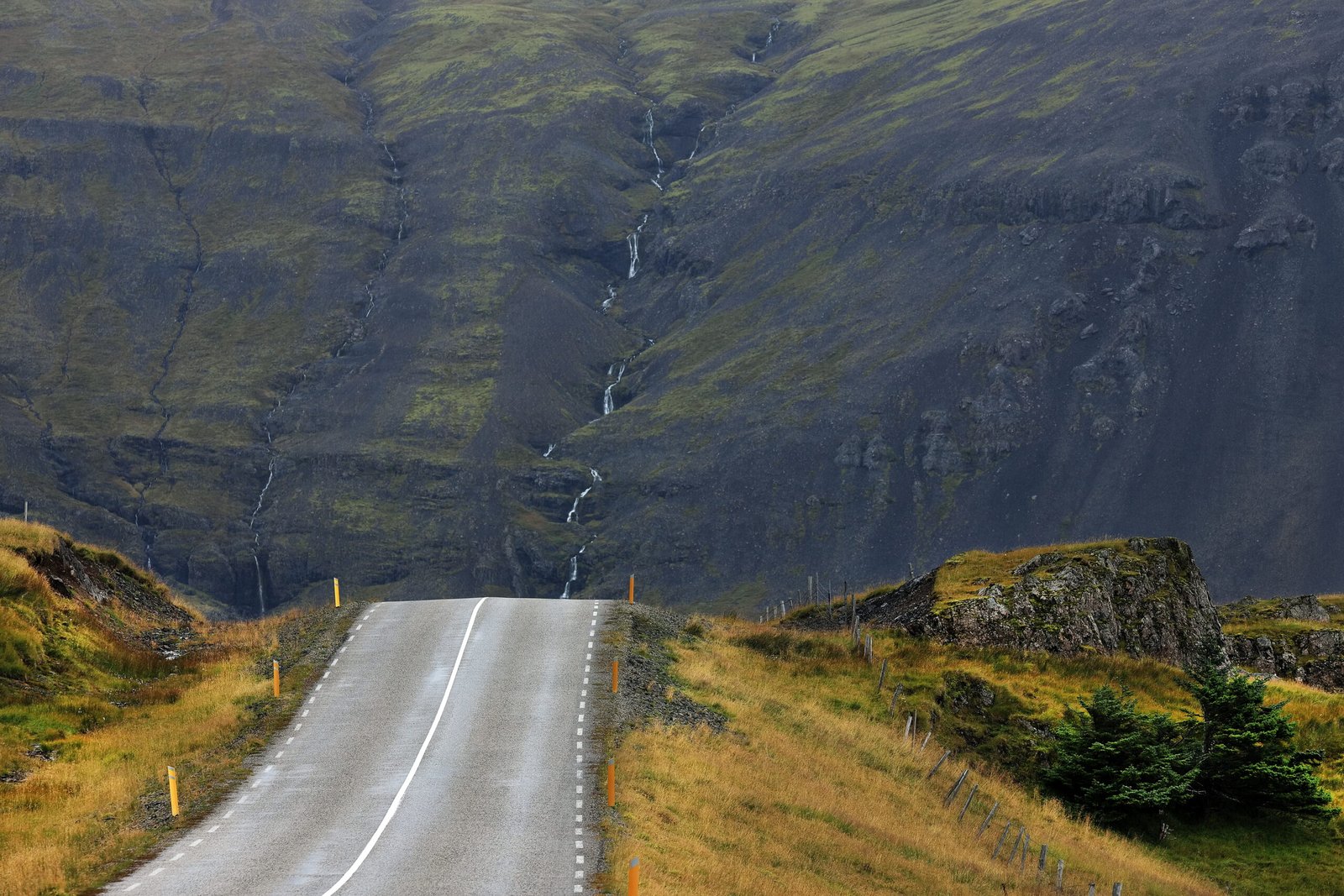
The classic Highlands route is better for most first-time visitors because it includes castles, Loch Ness, Skye, Glencoe, Cairngorms, and Loch Lomond in one manageable loop. It gives you the scenery people dream about without pushing you too far into remote northern roads.
The North Coast 500 is better if you want a rugged coastal adventure. It starts and ends in Inverness and covers remote beaches, cliffs, Ullapool, John O’Groats, and the famous Bealach na Bà road. I would save the NC500 for a second Scotland trip unless you have more time and feel confident driving narrow Highland roads.
What Should US Travelers Know Before Driving in the Highlands?
Book an automatic rental car early if you do not drive manual. Many cars in the UK are manual, and learning stick shift while driving on the left is not the kind of challenge most travelers need.
Highland roads are often narrow, and single-track roads use passing places. Never park in a passing place, let faster local drivers pass safely, and keep your fuel tank above a quarter full. Gas stations can be far apart in remote areas.
Book accommodations months ahead, especially on the Isle of Skye, in Fort William, and near Loch Lomond during summer. Pack for all four seasons, even if you visit in June or September. A waterproof jacket, sturdy walking shoes, warm layers, offline maps, and a portable charger can make the trip much easier.
FAQs About a Scottish Highlands Road Trip
1. How many days do you need for a Scottish Highlands road trip?
Seven days is enough for a first-time loop covering Cairngorms, Inverness, Loch Ness, Isle of Skye, Fort William, Glencoe, and Loch Lomond.
2. Is it hard for Americans to drive in Scotland?
It can feel unfamiliar at first because you drive on the left and use roundabouts often, but most travelers adjust with patience and a smaller automatic car.
3. Is the Isle of Skye worth adding to a 7-day Scotland trip?
Yes, Skye is worth it for the Old Man of Storr, Quiraing, Fairy Pools, Portree, Kilt Rock, and some of Scotland’s most dramatic landscapes.
4. What is the best month for a Highlands road trip?
May, June, September, and early October are excellent because the days are long enough, the scenery is beautiful, and crowds are usually lighter than peak summer.
Final Thoughts
A well-planned Scotland Highlands road trip itinerary gives you the best mix of famous landmarks, wild scenery, and Scotland road trip hidden gems without making every day feel exhausting. I love this route because it starts with easy cultural stops, builds toward the drama of Skye, slows down through Glencoe, and ends peacefully at Loch Lomond.
For US travelers, the key is simple: drive carefully, book early, pack for changing weather, and leave room for unplanned stops. The Highlands are not just about reaching the next destination. They are about the castle that appears around a bend, the mist rolling over a glen, the quiet village by a loch, and the road itself.