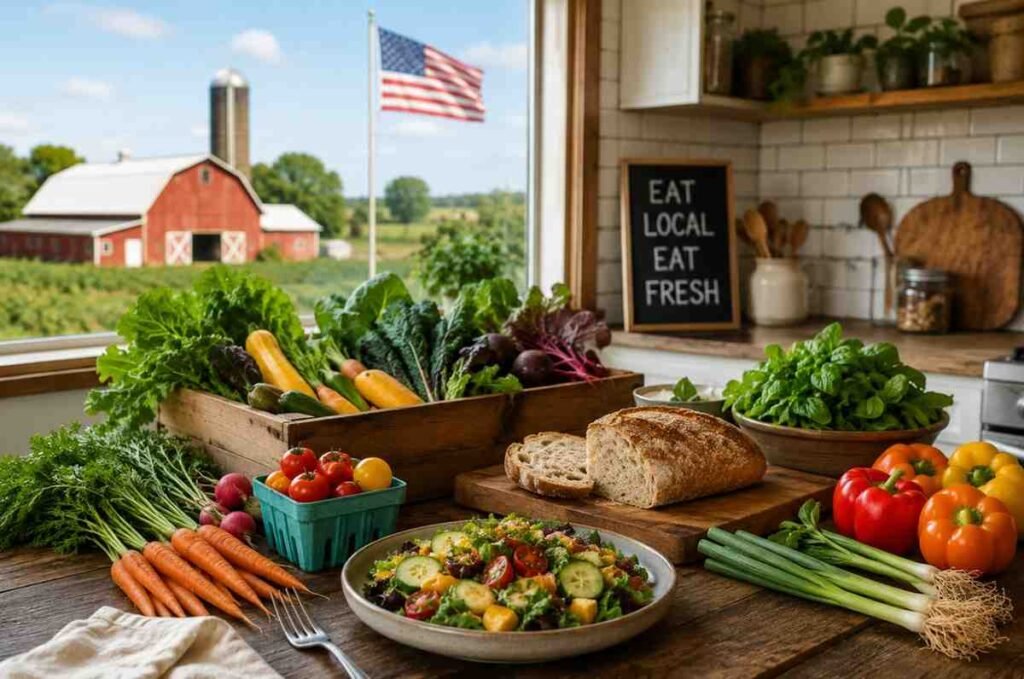
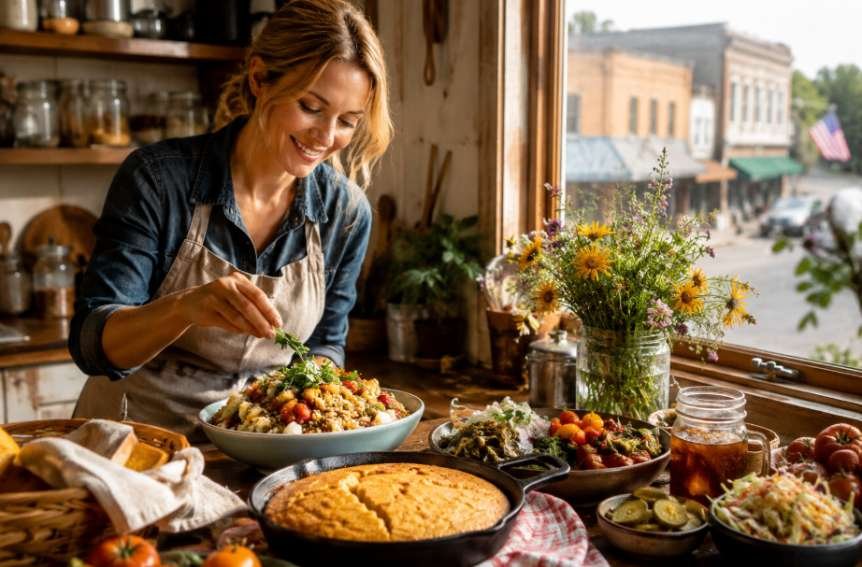
Think about the last meal you genuinely couldn’t stop talking about. It probably wasn’t a perfectly standardized dish from a national chain. More often, the foods people remember years later come from neighborhood diners, family-run restaurants, market stalls, and community kitchens where every recipe carries a story.
That’s what makes unique flavors from local kitchens so fascinating. They offer something bigger than a meal. They connect people to a place, a tradition, and a community.
Whether it’s a slow-cooked family recipe passed down for generations or a regional specialty built around seasonal ingredients, local cuisine leaves a lasting impression because it combines culture, memory, and craftsmanship in ways that mass-produced food rarely can.
The Ingredients Grow From the Place They Represent
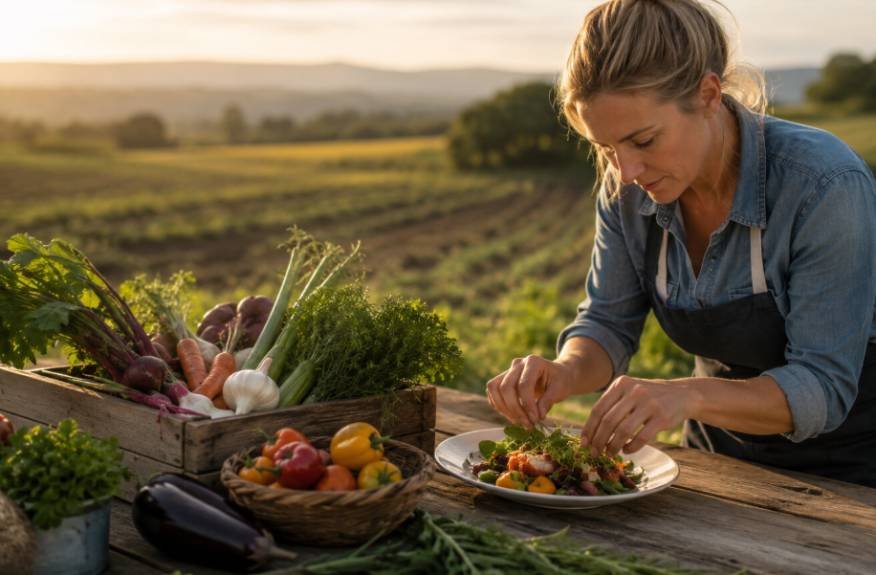
Every region develops its own food identity through the ingredients available there. Climate, geography, growing conditions, and seasonal cycles all influence what ends up on the plate.
Regional ingredients give local dishes their identity, and traditional local foods of the Highlands show how geography, season, and community habits shape unforgettable flavors.
Coastal communities often build their cuisine around fresh seafood, while agricultural regions highlight produce harvested at peak ripeness. Mountain communities may rely on preservation techniques and hearty ingredients designed to withstand long winters.
These natural conditions shape local cuisine long before a cook begins preparing a meal.
The freshness factor matters, too. Ingredients sourced nearby typically spend less time in transit, helping preserve flavor, texture, and nutritional value. This direct connection between land and food creates regional dishes that feel distinctive and authentic.
When people talk about the foods that define local culture, they’re often describing this relationship between geography and cuisine. The ingredients themselves tell part of the story.
Family Recipes Carry More Than Instructions
Many of the most memorable dishes aren’t found in cookbooks. They’re passed from one generation to the next through observation, practice, and family traditions.
A grandmother’s soup recipe, a neighborhood bakery’s bread-making process, or a community celebration dish often contains years of accumulated knowledge. Measurements may be estimated rather than recorded. Techniques may rely on intuition rather than strict instructions.
These heritage recipes preserve more than flavor. They preserve cultural identity.
Food historians frequently note that traditional recipes act as living records of migration patterns, agricultural practices, and community values. Every adjustment made over decades reflects changing circumstances while maintaining a connection to the past.
That emotional connection is one reason local food experiences often feel so meaningful. People aren’t simply tasting ingredients. They’re tasting history.
Traditional Cooking Methods Create Distinct Character
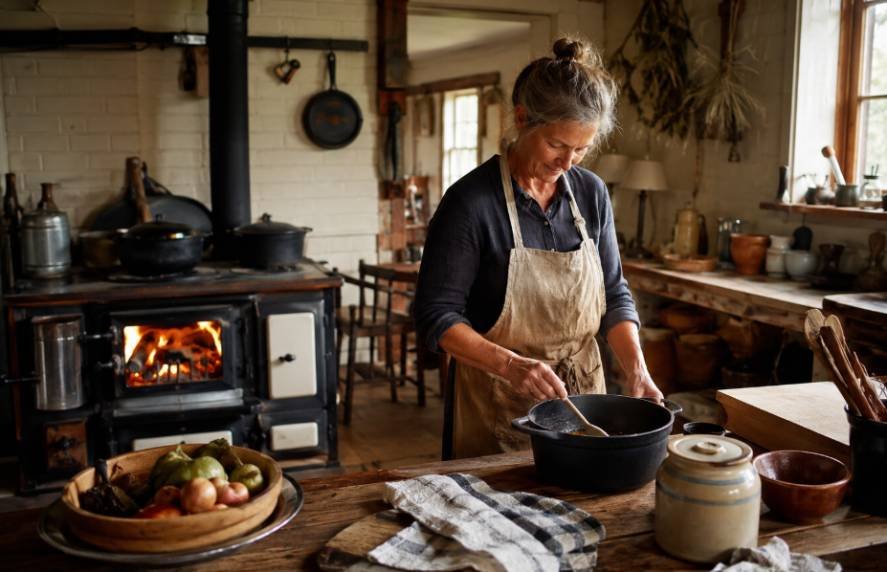
Ingredients matter, but preparation methods often determine whether a dish becomes unforgettable.
Slow Cooking and Time-Honored Techniques
Many traditional cooking methods prioritize patience over speed. Slow roasting, smoking, braising, and simmering allow flavors to develop gradually.
These techniques create complexity that cannot be rushed. A stew cooked for several hours develops layers of flavor that differ dramatically from a quick version made with the same ingredients.
Local kitchens frequently maintain these methods because they are part of the region’s culinary traditions. The result is food with depth, texture, and character.
Traditional preparation methods become even more memorable when paired with local ingredients used in Scottish cooking, because the flavor reflects both the region’s produce and the way communities have cooked for generations.
Preservation and Regional Practices
Many communities developed unique techniques to preserve food before refrigeration became common.
Fermentation, pickling, curing, drying, and smoking served practical purposes while also creating distinctive flavors. Today, these methods remain important parts of regional food culture because they contribute tastes and textures that have become signature elements of local cuisine.
These practices demonstrate how necessity often becomes tradition.
Food Reflects the Identity of a Community
Local food doesn’t exist in isolation. It evolves alongside the people who prepare it.
Migration, trade, cultural exchange, and historical events all leave their mark on regional cuisine. Over time, communities adapt recipes, introduce new ingredients, and blend culinary influences while preserving their core identity.
This evolution creates unique flavor combinations that tell a broader story about a region and its people.
Community celebrations provide a perfect example. Holiday meals, harvest festivals, and family gatherings often feature dishes that have remained important for generations. These meals reinforce cultural heritage while bringing people together around shared traditions.
Food becomes a form of storytelling. Every dish reveals something about the community that created it.
Why the Experience Around the Meal Matters?

Taste alone doesn’t explain why some meals become lifelong memories.
The environment surrounding a meal often plays an equally important role. The aroma drifting from an open kitchen, the conversation between family members, the sounds of a busy market, and the warmth of hospitality all contribute to the experience.
Research consistently shows that smell has a powerful connection to memory. Certain aromas can instantly transport people back to specific moments in their lives. That’s one reason local food experiences often remain vivid years after they occur.
The emotional component matters just as much. A comforting dish shared during a meaningful gathering or a surprising flavor discovered while traveling can become deeply connected to personal memories.
These sensory experiences transform food into something people remember long after the meal ends.
How Skilled Kitchens Create Flavor That Stands Out
Tradition provides the foundation, but culinary skill often elevates local dishes even further.
Many professional kitchens understand how to build flavors that evolve throughout a meal. Instead of delivering a single dominant taste, they create contrast and balance.
Chefs frequently combine sweet and acidic elements, pair hot and cold temperatures, or layer textures to create a more dynamic experience. These contrasts keep the palate engaged and encourage diners to notice new flavors with each bite.
Professional kitchens also rely on techniques that many home cooks cannot easily replicate. High-heat cooking equipment, lengthy preparation processes, carefully developed stocks, and strategic use of salt, fat, and acidity all contribute to flavor development.
The result is food that feels both familiar and surprising at the same time.
How Local Kitchens Continue to Evolve?

Local cuisine isn’t frozen in time. It constantly adapts to changing tastes, new ingredients, and emerging culinary influences.
Many modern cooks are finding ways to honor traditional recipes while introducing fresh ideas. They preserve cultural heritage without treating it as untouchable.
This balance allows community cooking traditions to remain relevant for new generations. Younger chefs and home cooks continue experimenting while respecting the foundations established by those who came before them.
That ongoing evolution ensures local food culture stays vibrant rather than becoming a historical artifact.
FAQs:
1. Why do local dishes taste different from restaurant chain meals?
Local dishes often use regional ingredients, traditional cooking methods, and family recipes that reflect community heritage. Chain restaurants typically prioritize consistency across locations.
2. How do traditional recipes preserve cultural heritage?
Traditional recipes pass down knowledge, customs, and culinary practices from one generation to the next. They help communities maintain connections to their history and identity.
3. What role do local ingredients play in regional cuisine?
Local ingredients influence flavor, freshness, and seasonal variety. They help create dishes that reflect the geography and agricultural traditions of a specific region.
4. Why do travelers often remember local food experiences?
Food engages multiple senses while creating emotional connections. The combination of taste, aroma, atmosphere, and cultural context makes local meals highly memorable.
Why Certain Flavors Stay With Us for Years
The most memorable meals aren’t always the most expensive or elaborate. They’re the ones that connect us to a place, a person, or a moment in time.
Unique flavors from local kitchens endure because they combine regional ingredients, cultural heritage, skilled preparation, and human connection into a single experience.
Every bite reflects countless influences, from family traditions and local agriculture to community celebrations and culinary innovation.
Long after the meal is over, those flavors remain. They become part of the stories people continue to share.