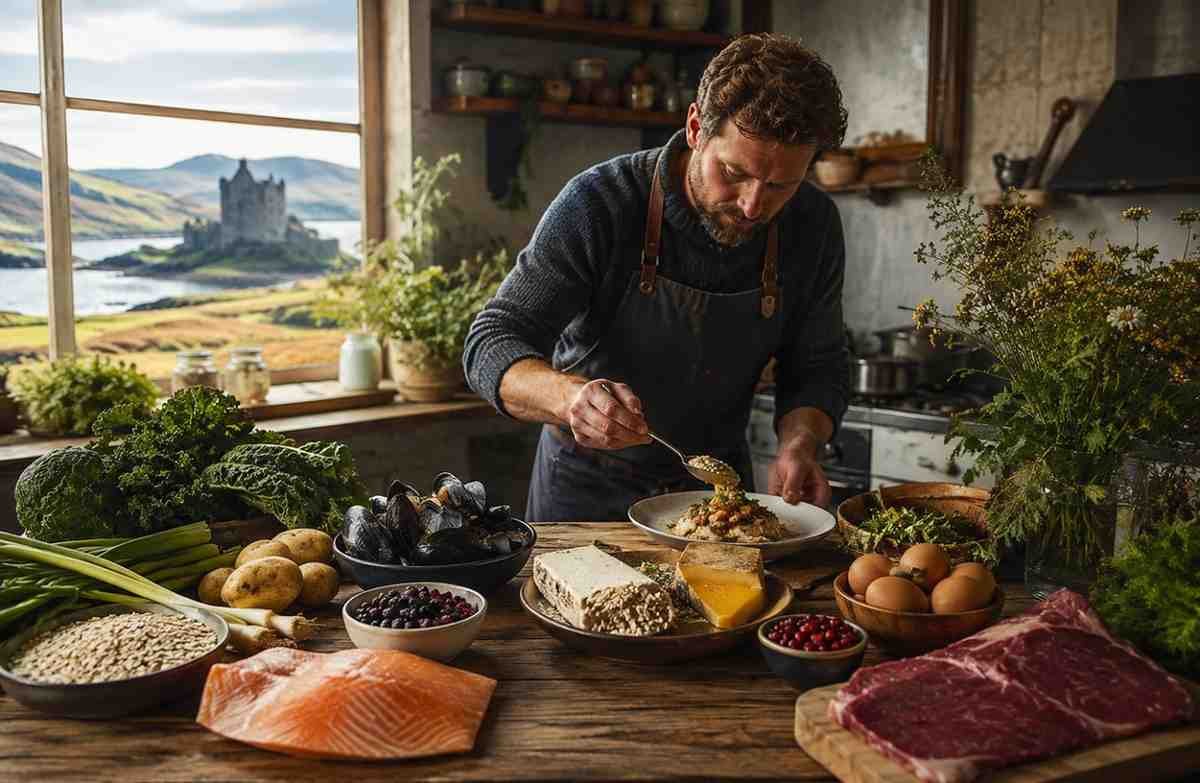
Food often tells the story of a place long before a history book does. Spend enough time looking at traditional Scottish dishes, and a pattern quickly emerges. The ingredients aren’t flashy or imported from far away. Instead, they’re deeply connected to the landscape itself—coastal waters, rolling farmland, rugged hills, and a climate that has shaped cooking habits for centuries.
That connection remains one of the most fascinating parts of Scottish food culture. Many of the ingredients found in classic recipes today are the same ones that helped communities thrive through long winters, unpredictable weather, and limited resources. The local ingredients used in Scottish cooking aren’t simply traditional; they’re the reason many of these dishes exist in the first place.
Why Local Ingredients Have Always Been Central to Scottish Cooking?
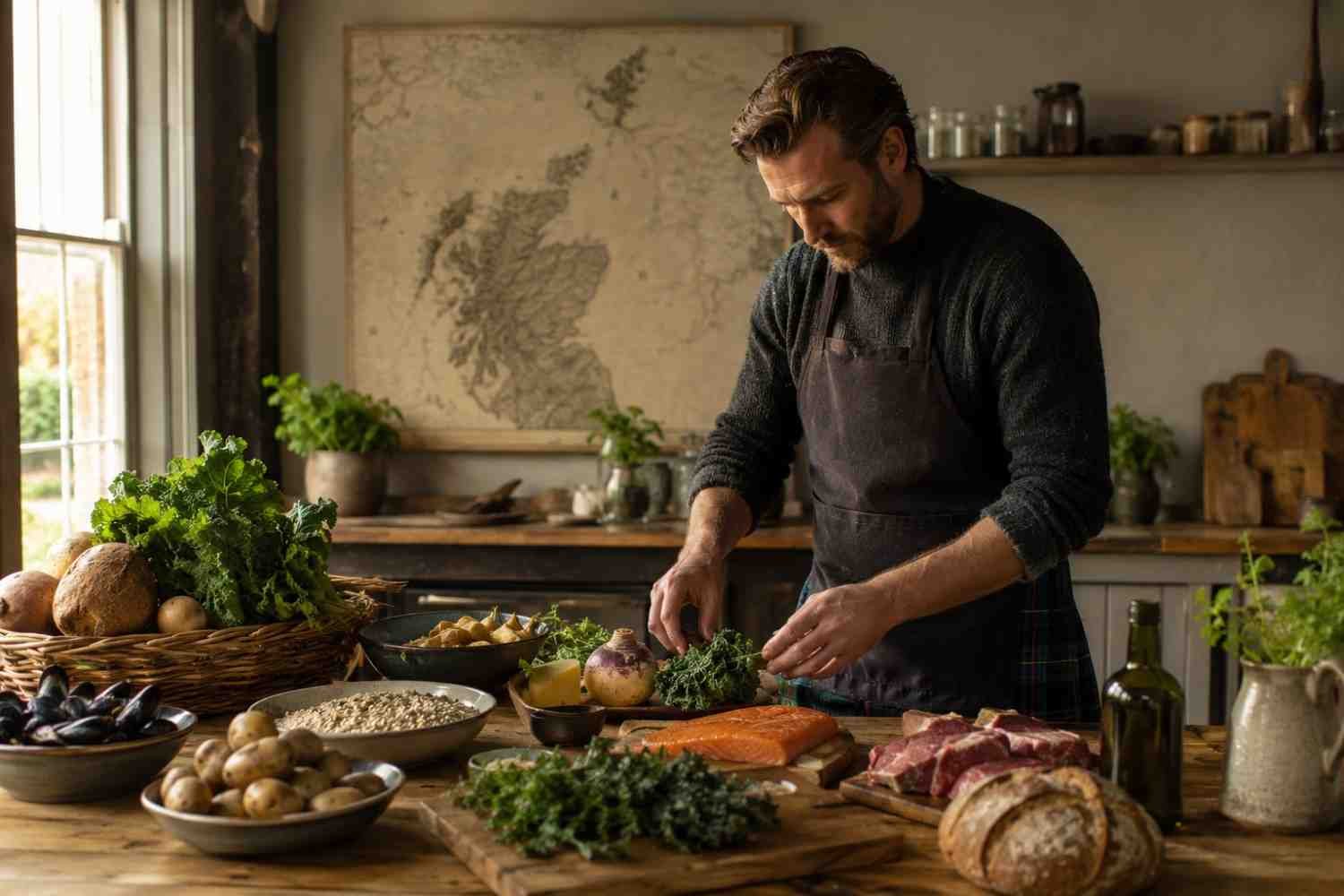
Scotland’s geography has always influenced what ends up on the plate. The country’s cool, damp climate made some crops difficult to grow while helping others flourish. As a result, Scottish cooks learned to build meals around ingredients that were reliable, filling, and readily available.
Before refrigeration and modern transportation, people depended heavily on what could be farmed, fished, gathered, or preserved locally. Smoking, curing, and drying became essential food preservation techniques, particularly for seafood and meat. This practical approach created a cuisine known for hearty flavors and resourcefulness rather than excess.
Today, those traditions continue to influence Scottish cooking traditions, even as modern chefs bring fresh interpretations to classic recipes.
The Grains That Built Scottish Food Culture
Oats: The Foundation of Everyday Cooking
Few ingredients are more closely associated with Scotland than oats. Because wheat struggled in many parts of the country, oats became a dependable staple that could withstand the climate and provide long-lasting energy. Oats have been part of Scottish diets for centuries and remain central to many traditional foods.
Most people immediately think of porridge, but oats appear in far more than breakfast bowls. They’re used in oatcakes, desserts, stuffing, and even haggis. The grain’s versatility made it invaluable in households where wasting food simply wasn’t an option.
One of the best-known examples is cranachan, a dessert that combines toasted oats, cream, honey, and fresh berries. It demonstrates how a simple local ingredient can become something memorable.
Barley and Scotland’s Agricultural Heritage
Barley has also played an important role in Scottish food culture. Historically, it was used in soups, broths, breads, and traditional baking. Its ability to grow in challenging conditions made it another dependable crop for rural communities. Scottish broths often feature barley alongside seasonal vegetables and meat, creating nutrient-dense meals that helped sustain families through colder months.
Seafood From Scotland’s Coastlines

With thousands of miles of coastline and access to rich, cold waters, Scotland has developed a reputation for exceptional seafood. Fresh salmon, trout, langoustines, scallops, mussels, and haddock are all important parts of the country’s culinary heritage.
Seafood’s importance goes beyond availability. The cold waters contribute to quality and flavor, which is why Scottish seafood remains highly regarded by chefs and food enthusiasts alike.
Traditional dishes showcase this connection beautifully. Cullen Skink, a creamy soup made with smoked haddock, potatoes, and onions, relies on simple ingredients working together rather than complicated techniques. The result is comforting, flavorful, and unmistakably Scottish.
The emphasis on freshness remains strong today, with many coastal communities maintaining close relationships between fishermen, restaurants, and local food producers.
Meat and Dairy With Deep Agricultural Roots
Scottish farming has long produced high-quality beef, lamb, and game. Aberdeen Angus beef is recognized worldwide, while wild venison remains a popular ingredient in both traditional and contemporary cooking.
Haggis is perhaps the best example of Scottish resourcefulness. Originally created as a practical way to use every part of an animal, it combines sheep’s offal with oatmeal, onions, and spices. While it has become a cultural icon, its origins reflect a broader philosophy of minimizing waste and making the most of available resources.
Dairy products also contribute significantly to Scottish cuisine. Butter, cream, cheese, and cultured dairy products appear throughout traditional recipes, adding richness and balance to both savory and sweet dishes.
Root Vegetables and Seasonal Produce
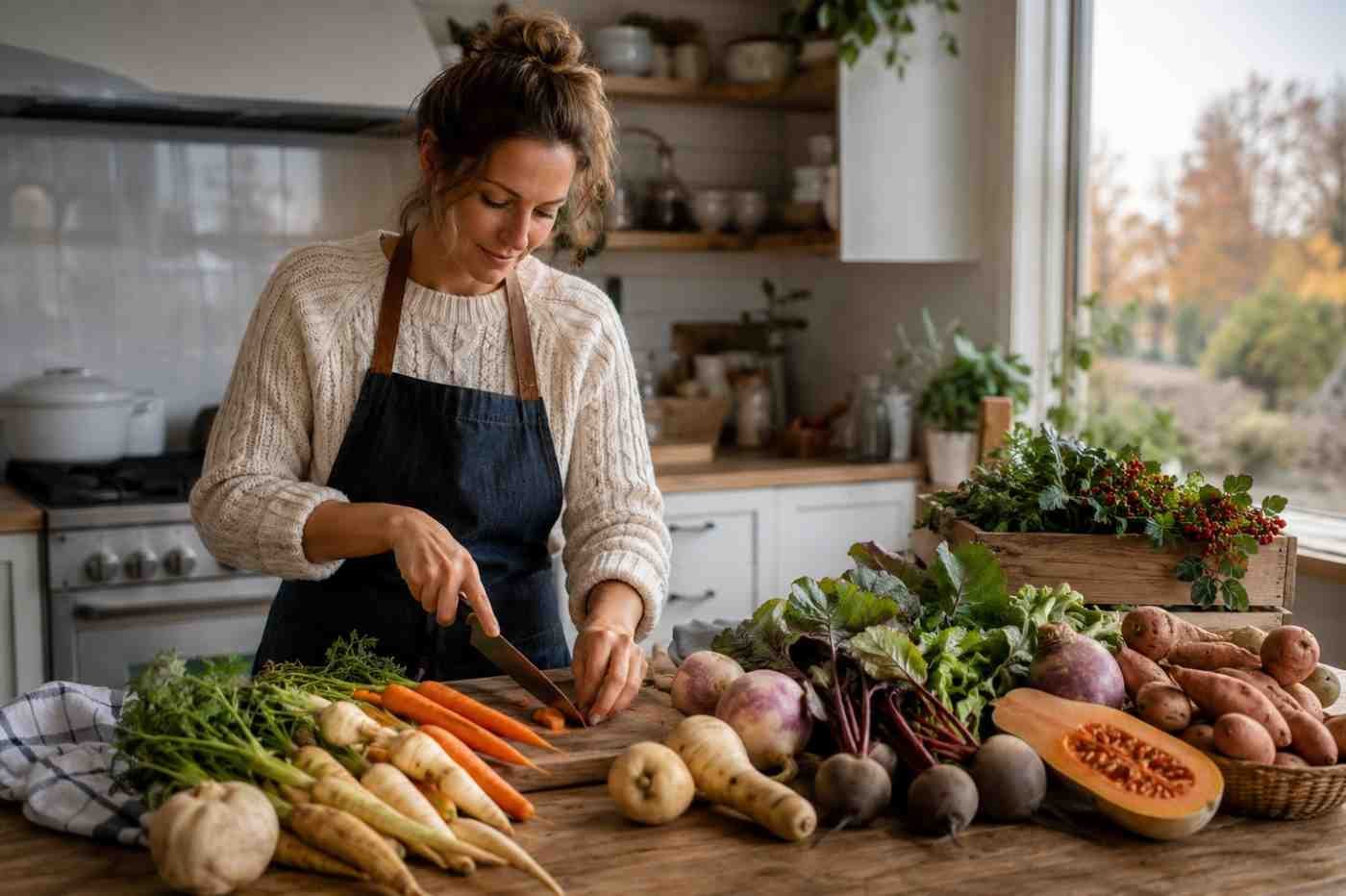
Not every essential ingredient comes from the sea or pasture. Root vegetables have been equally important to Scottish cooking for generations.
Potatoes, turnips—known locally as neeps—leeks, carrots, and other hardy vegetables thrive in cooler climates and store well throughout the year. These characteristics made them indispensable before modern supply chains existed.
You’ll find these ingredients in soups, stews, casseroles, and side dishes across Scotland. Their popularity highlights an important aspect of seasonal Scottish ingredients: practicality often drives tradition.
Modern interest in food provenance and locally sourced ingredients has only strengthened appreciation for these vegetables. Consumers increasingly value produce that travels shorter distances and reflects seasonal availability.
Wild Berries and Naturally Sweet Flavors
Scotland’s natural landscape provides more than savory ingredients. Wild berries, including raspberries and blackberries, have long added color and sweetness to traditional recipes.
These fruits appear in desserts, preserves, baked goods, and seasonal celebrations. Cranachan remains one of the most beloved examples, pairing berries with oats and cream to create a dessert rooted in local agriculture.
Their continued popularity demonstrates how Scottish food culture often relies on a handful of exceptional ingredients rather than overly complicated preparation.
How Local Ingredients Continue to Shape Modern Scottish Cooking
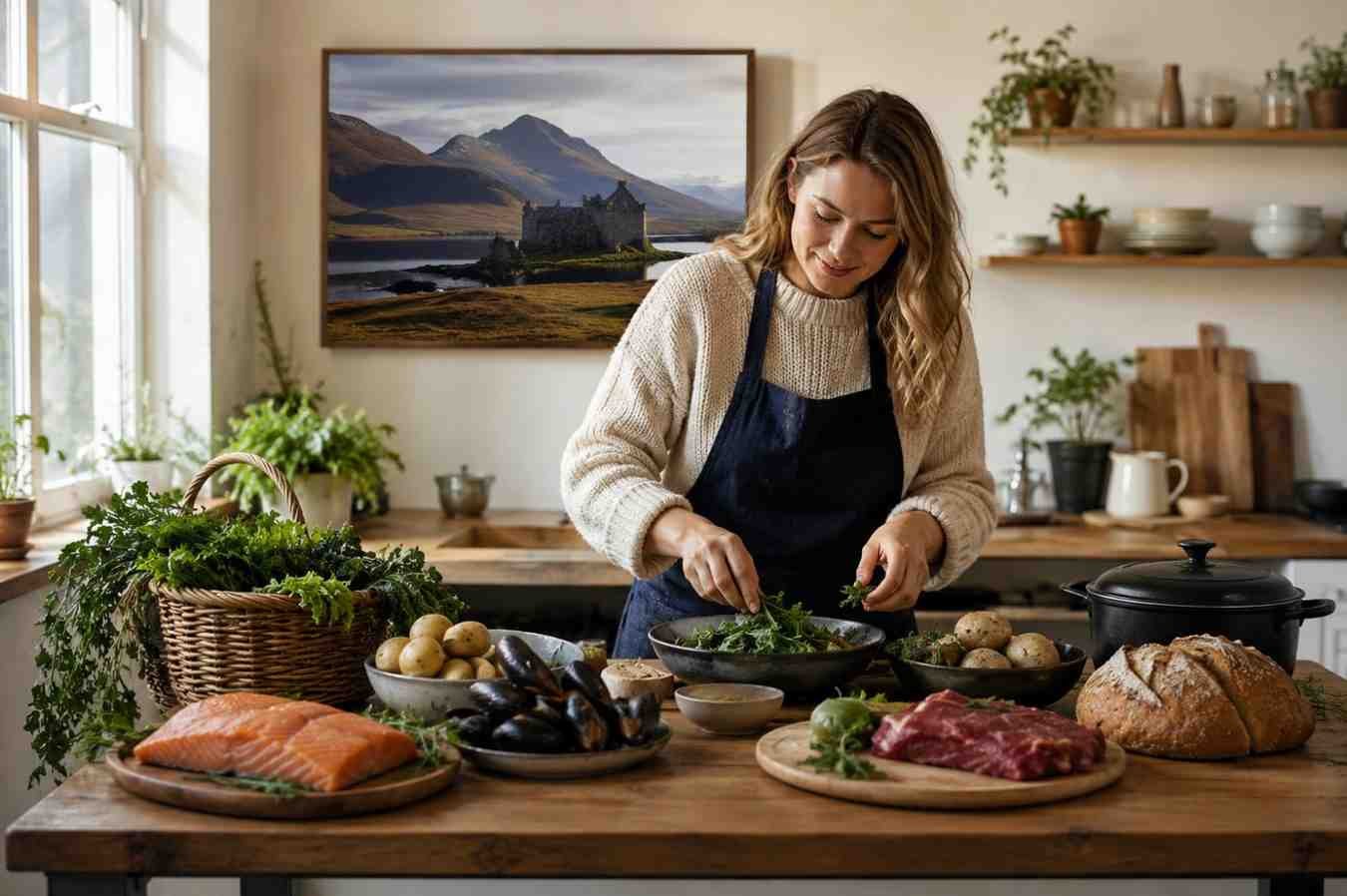
The appreciation for local ingredients isn’t limited to historic recipes. Many contemporary chefs and food producers actively focus on seasonal Scottish ingredients, sustainable sourcing, and strong relationships with farmers and fishermen. Organizations throughout Scotland continue to promote local food systems that support communities, environmental stewardship, and regional identity.
This philosophy extends beyond restaurants. Bakeries, farm shops, and artisan producers increasingly highlight the origin of their ingredients, helping consumers understand where their food comes from. That’s one reason many travelers exploring local Scottish bakery favorites often discover products made with regional oats, berries, dairy, and grains that reflect the surrounding landscape.
The result is a food culture that feels both traditional and current—a balance that many regions strive to achieve but few maintain as successfully.
FAQs: Local Ingredients Used in Scottish Cooking and Why They Matter So Much
1. What are the most common local ingredients used in Scottish cooking?
Oats, barley, salmon, haddock, shellfish, beef, lamb, potatoes, turnips, leeks, and seasonal berries are among the most widely used ingredients in traditional Scottish cuisine.
2. Why are oats so important in Scottish food?
Oats grow well in Scotland’s cool, damp climate and have provided a reliable source of nutrition for centuries. They remain central to dishes like porridge, oatcakes, cranachan, and haggis.
3. What seafood is Scotland best known for?
Scotland is especially known for salmon, trout, langoustines, scallops, mussels, and smoked haddock, all of which play important roles in regional cooking.
4. How does local sourcing benefit Scottish communities?
Buying locally supports farmers, fishermen, crofters, and small food producers while helping preserve culinary traditions and strengthening local economies.
Why the Landscape Still Defines the Menu
What makes Scottish cooking memorable isn’t just the recipes themselves. It’s the way those recipes remain connected to the land, coastlines, farms, and communities that created them. From oats that thrive in challenging weather to seafood pulled from cold coastal waters, the country’s most iconic dishes continue to reflect their origins. That sense of place gives Scottish food an authenticity that’s difficult to replicate elsewhere.
The ingredients may be simple, but the story behind them is anything but.