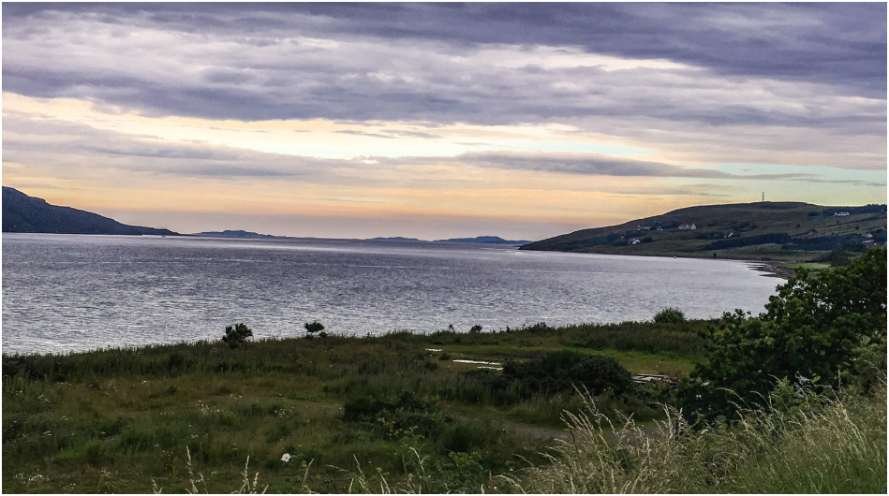
A conversation beside a mist-covered loch once turned into an unexpected deep dive into ancient tales of shape-shifting creatures and haunted waters. That curiosity led to discovering how Scottish highlands folklore and legends continue to captivate travelers, historians, and storytellers who explore this remarkable region today.
Key Takeaways
- Scottish folklore is closely connected to real Highland landscapes.
- Many legends originated from ancient Gaelic oral traditions.
- The Highlands are home to creatures beyond the famous Loch Ness Monster.
- Folklore helps visitors understand local culture and history.
- Many legendary locations can still be explored today.
These Stories Are Still Relevant Today
More than entertaining stories, Scottish highlands folklore and legends reflect centuries of cultural beliefs, survival skills, and connections to nature. In remote landscapes filled with mountains, forests, and deep lochs, folklore helped explain mysterious events and dangerous environments.
Today, these stories provide valuable insight into Scotland’s Gaelic heritage while enriching the travel experience for visitors. These ancient tales reveal how Highland communities understood the world around them.
Roots In A Celtic Landscape
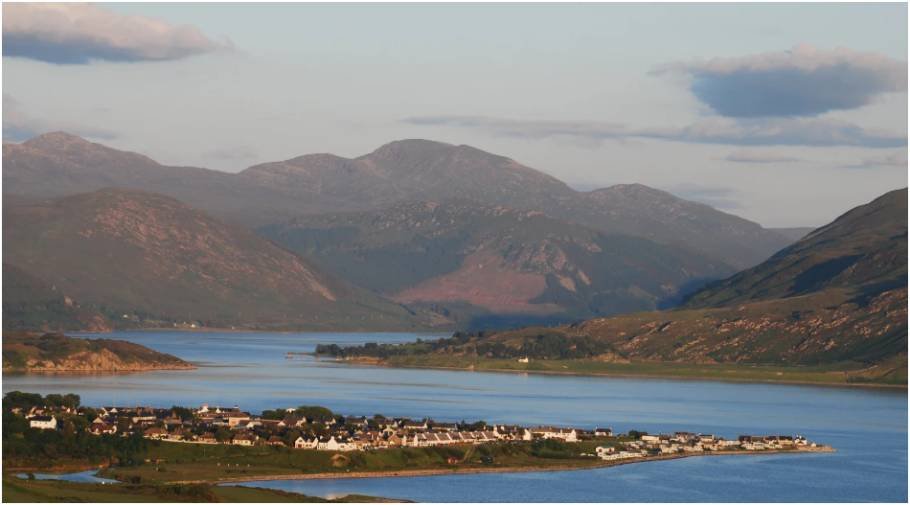
Steeped in rugged mountains and deep lochs, the Scottish Highlands boast a rich tapestry of folklore. Many legends emerged from Celtic traditions and were passed down through oral storytelling long before written records became common.
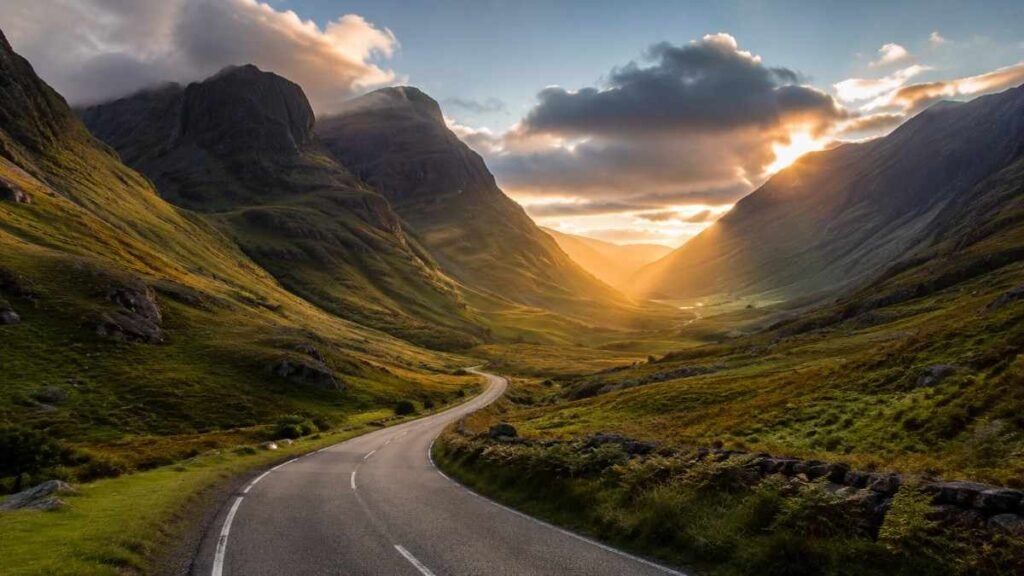
The isolation of Highland communities helped preserve these tales, allowing them to survive for centuries. The dramatic Highland scenery has inspired myths for generations.
Gaelic Storytelling Traditions
Stories played an essential role in preserving Highland culture. Traditional storytellers shared myths, clan histories, and supernatural tales around firesides. Through these narratives, communities passed knowledge from one generation to the next while strengthening cultural identity.
Nature And The Supernatural
Dense forests, misty glens, and remote waterways inspired legends about spirits, fairies, and mysterious creatures. Many people believed supernatural beings inhabited places that appeared dangerous or unexplained. The landscape itself often became part of the story.
Famous Highland Creatures
Some of Scotland’s most recognizable legends originate in the Highlands.
The Kelpie
The Kelpie typically appeared as a magnificent horse near rivers and lochs. According to legend, anyone who climbed onto its back became trapped by magical skin. The creature would then drag its victim into deep water, serving as a warning about the dangers of fast-flowing rivers and hidden currents. This feared water spirit remains one of Scotland’s most famous mythical creatures.
The Each-Uisge
Many folklore experts consider this creature even more dangerous than the Kelpie. Found in sea lochs and large inland waters, the Each-Uisge could transform into a horse or attractive human. Unlike its river-dwelling cousin, it was known for its extreme brutality, often leaving behind only part of its victim after an attack.
The Cù Sìth
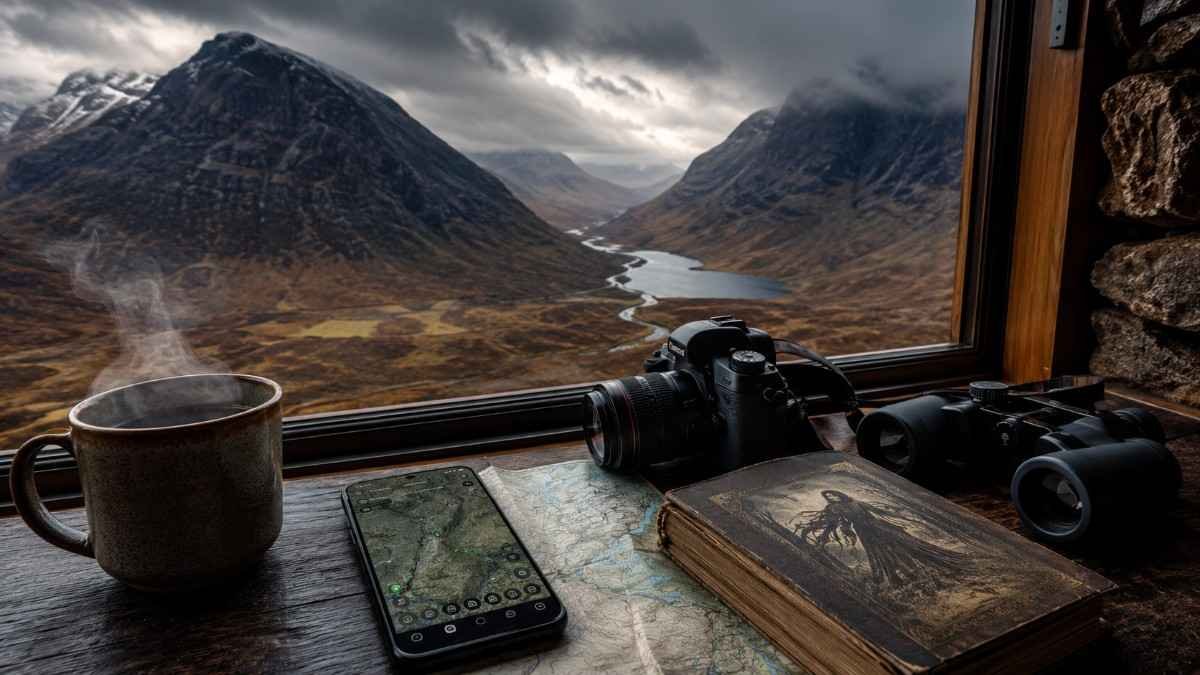
This mysterious fairy hound has haunted Highland legends for centuries. Often described as a large dark-green dog, the Cù Sìth roamed remote hills and valleys. Hearing its deep howl was believed to be a warning of death or misfortune, making it one of the most feared creatures in Highland folklore.
Tales Of Fate And Warning
Many legends served as cautionary stories for local communities.
The Bean Nighe
Known as the Washerwoman of Fate, the Bean Nighe appears beside isolated streams washing bloodstained clothing. Folklore suggests the garments belong to people whose deaths are approaching, making her a powerful symbol of prophecy and destiny. This spectral figure is one of the Highlands’ most unsettling supernatural beings.
Spirits Of The Wilderness
Many supernatural beings reflected the dangers of remote landscapes. Legends often warned travelers to respect nature, avoid risky behavior, and remain cautious in unfamiliar environments. These stories blended practical lessons with cultural beliefs.
Faeries And Dark Enchantment
Highland folklore contains a rich world of magical beings.
The Bàobhan Sith
The Bàobhan Sith appeared as a beautiful woman dressed in green who wandered Highland forests at night. Hidden beneath her elegant appearance were deer-like hooves and deadly intentions. Stories tell of hunters being lured away before falling victim to her supernatural powers. Often called Scotland’s version of a vampire, this creature remains a favorite among folklore enthusiasts.
Seelie And Unseelie Courts
Not all Scottish fairies were friendly and helpful. Highland folklore divided fairies into two groups. The Seelie Court was generally more benevolent but still unpredictable. The Unseelie Court was considered dangerous and malicious, often bringing harm to anyone who crossed their path.
Hidden Fairy Realms
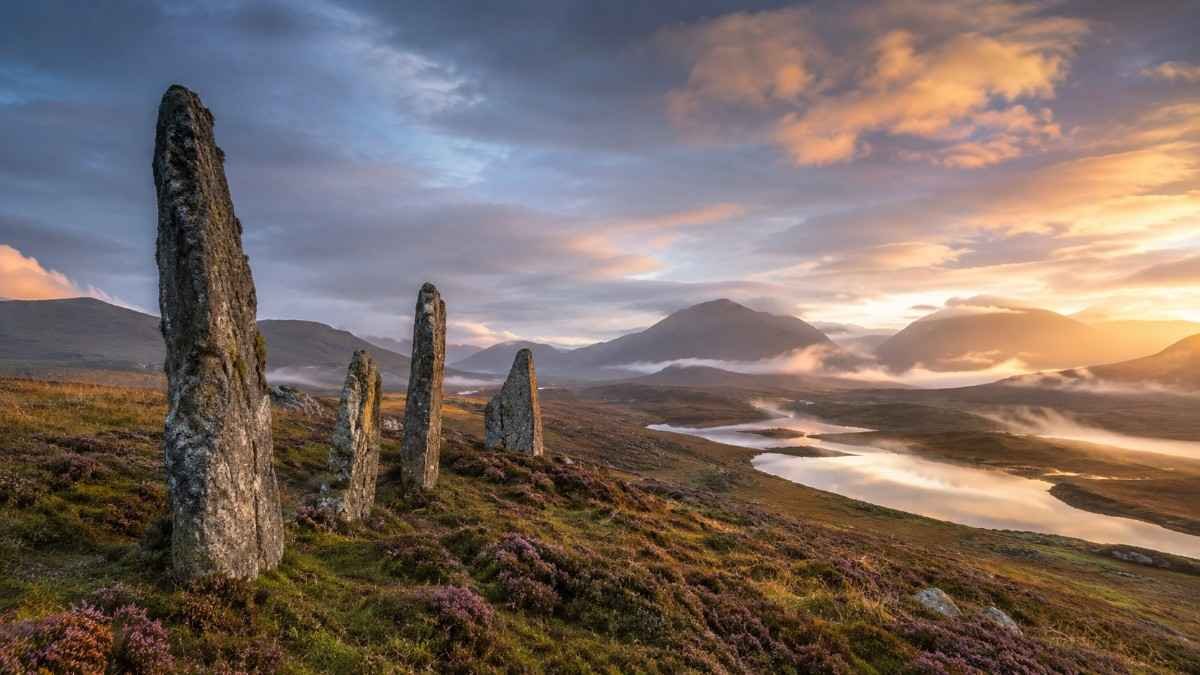
Many Highland locations are linked to fairy activity. Ancient hills, standing stones, and remote glens were often believed to be entrances to otherworldly realms. Local traditions encouraged respect for these places to avoid attracting unwanted attention from supernatural beings.
Loch Monsters And Shape-Shifters
The waters of the Highlands remain central to many legendary tales.
The Loch Ness Monster
No discussion of Highland folklore would be complete without Nessie. Reports of a mysterious creature in Loch Ness date back many centuries. While modern sightings continue to attract global attention, the legend itself reflects Scotland’s long tradition of storytelling and fascination with unexplained mysteries.
Selkies Of The Northern Seas
These shape-shifting beings bring a more emotional dimension to folklore. Selkies could transform from seals into humans by removing their skins. Many stories involve stolen skins, lost love, and a longing to return to the sea. Their legends remain among the most beloved tales connected to Scottish coastal and Highland culture.
Explore Scottish Highlands Folklore And Legends
Learning about these stories can transform an ordinary trip into a memorable cultural experience.
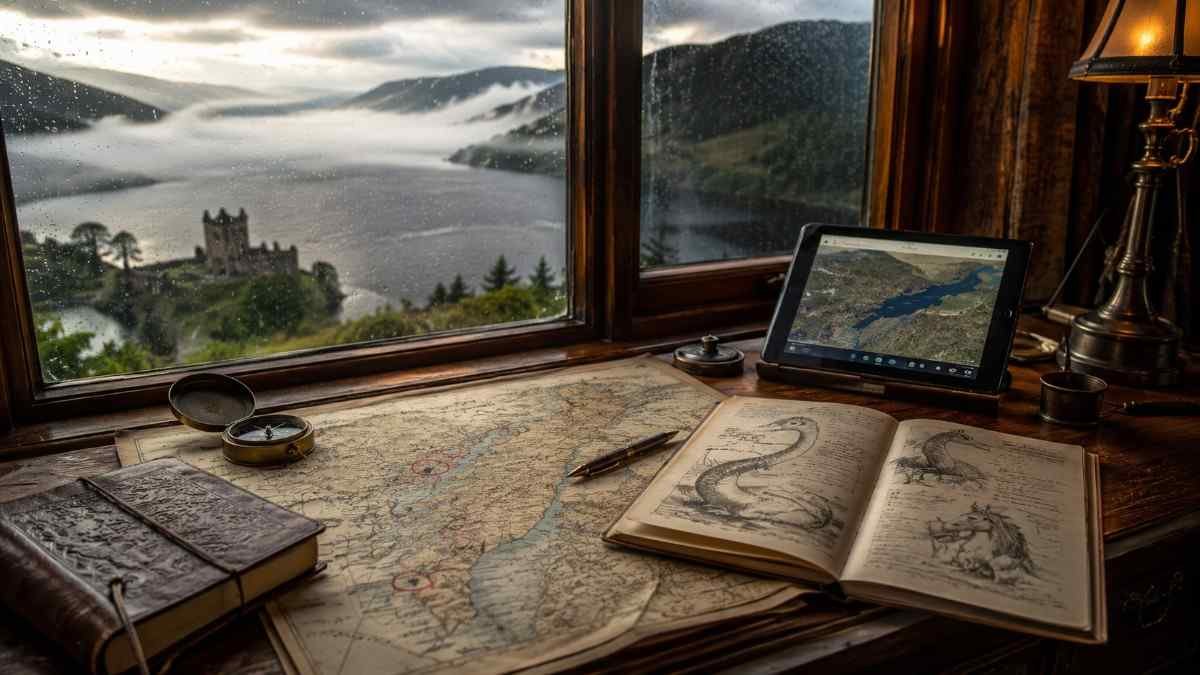
Start by researching local myths before visiting Highland destinations or while wild camping in the Scottish highlands. Next, connect each legend to its real-world location, whether a loch, castle, forest, or mountain.
Then explore local museums, visitor centers, and guided tours where experts explain how Scottish highlands folklore and legends influenced everyday life.
Finally, take time to appreciate how these ancient stories continue to shape modern Highland identity and tourism.
Frequently Asked Questions
1. What Makes Scottish Highlands Folklore And Legends Unique?
Unlike many European myths, Scottish highlands folklore and legends are closely connected to specific mountains, lochs, forests, and Gaelic traditions, making them deeply tied to real landscapes and local culture.
2. Is The Loch Ness Monster Part Of Ancient Folklore?
Yes. Although modern interest increased during the twentieth century, stories describing mysterious creatures in Loch Ness can be traced back to much older traditions and historical accounts.
3. Were These Legends Used To Teach Life Lessons?
Many Highland myths warned people about dangerous waterways, harsh weather, and unfamiliar wilderness areas while also preserving cultural values and community knowledge.
4. Can Visitors Still Experience These Legendary Locations?
Absolutely. Travelers can visit Loch Ness, the Isle of Skye, ancient castles, remote glens, and many other places connected to famous Highland legends and folklore traditions.
Chasing Legends Through The Highlands
The enduring appeal of Scottish highlands folklore and legends lies in their ability to connect people with Scotland’s landscapes, history, and imagination. From fearsome water horses and fairy courts to Nessie and the mysterious Bean Nighe, these stories continue to inspire wonder. Exploring the Highlands becomes far more rewarding when every loch, mountain, and glen carries a legend waiting to be discovered.