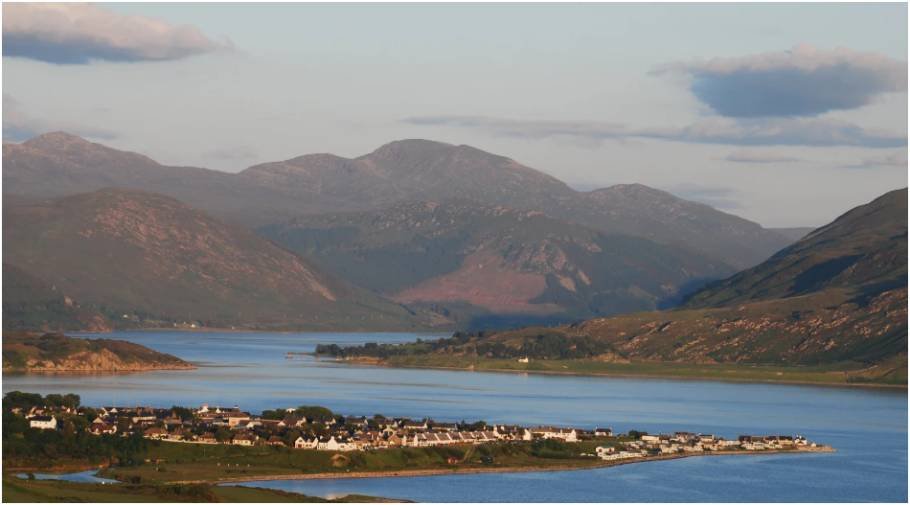
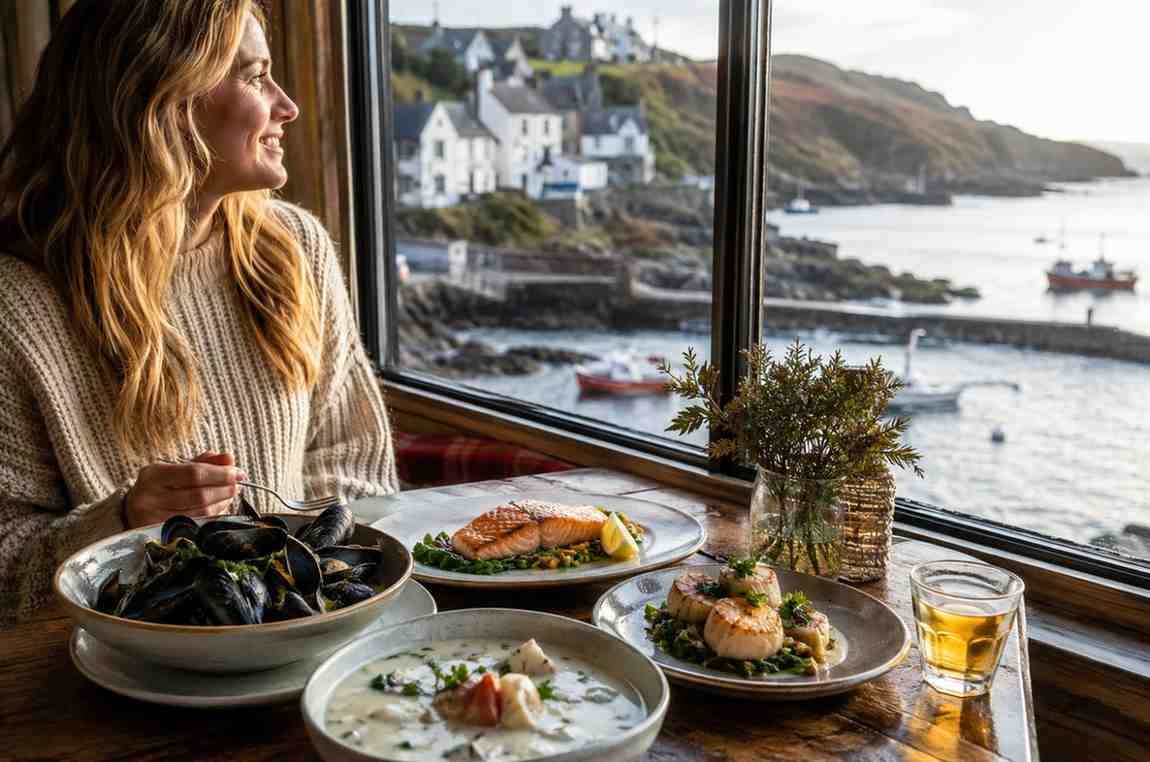
There’s something memorable about eating beside the sea in Scotland. Maybe it’s the salty air drifting in from the harbor, the sight of fishing boats returning with the day’s catch, or the simple fact that many coastal recipes have barely changed for generations. Along Scotland’s shores, food isn’t just part of the travel experience—it’s part of the local identity.
Coastal Scottish cuisine reflects the landscape that shaped it. Cold Atlantic waters, centuries-old fishing traditions, and a practical approach to cooking have created a food culture built around freshness, comfort, and flavor. While seafood takes center stage, the story goes far beyond fish. From warming soups to rich desserts, Scotland’s coastline offers some of the country’s most distinctive dishes.
Why the Coast Has Always Shaped Scottish Cooking?
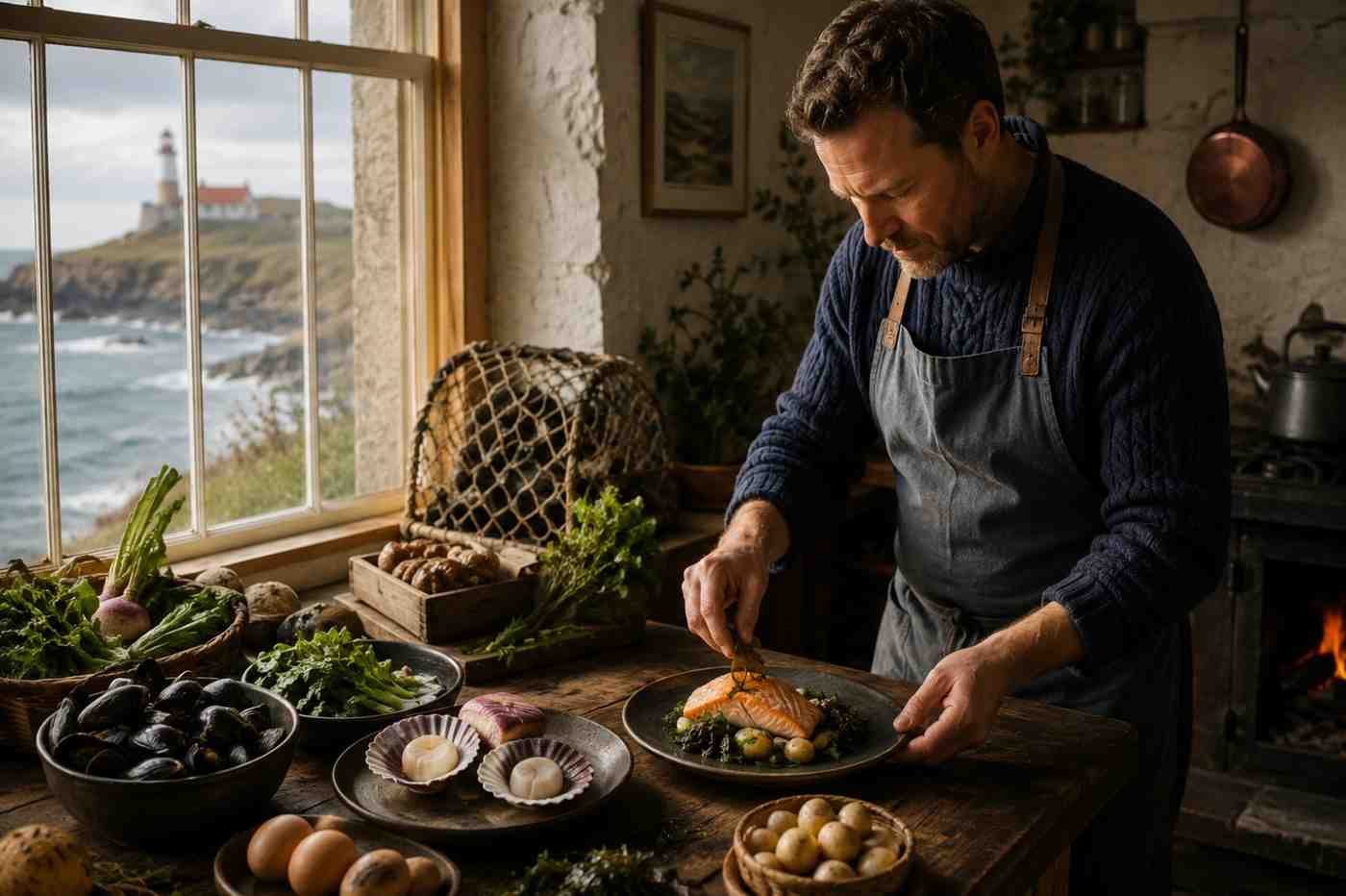
Scotland’s extensive coastline has influenced local diets for centuries. Fishing communities depended on the sea for both livelihood and sustenance, leading to recipes that highlighted what was abundant and readily available. Haddock, salmon, shellfish, and herring became staples, while smoking, curing, and preserving techniques helped extend the life of fresh catches.
Today, many of those traditions remain. Coastal restaurants, harbor cafés, and seafood shacks still showcase local catch, seasonal ingredients, and recipes that connect modern diners to Scotland’s maritime heritage. The result is a cuisine that feels authentic, deeply regional, and closely tied to the natural environment.
The Best Dishes to Try When Exploring Coastal Scottish Cuisine
Cullen Skink
Few dishes capture coastal Scottish cuisine better than Cullen Skink. Originating in the fishing town of Cullen in Moray, this thick, comforting soup combines smoked haddock, potatoes, and onions in a creamy broth. The smoky flavor of the fish gives the dish remarkable depth despite its simple ingredient list. Cullen Skink remains one of Scotland’s most beloved seafood dishes and is often considered essential tasting for anyone exploring the coast.
Served with crusty bread or traditional oatcakes, it’s the kind of meal that feels especially satisfying after a windy coastal walk.
Arbroath Smokies
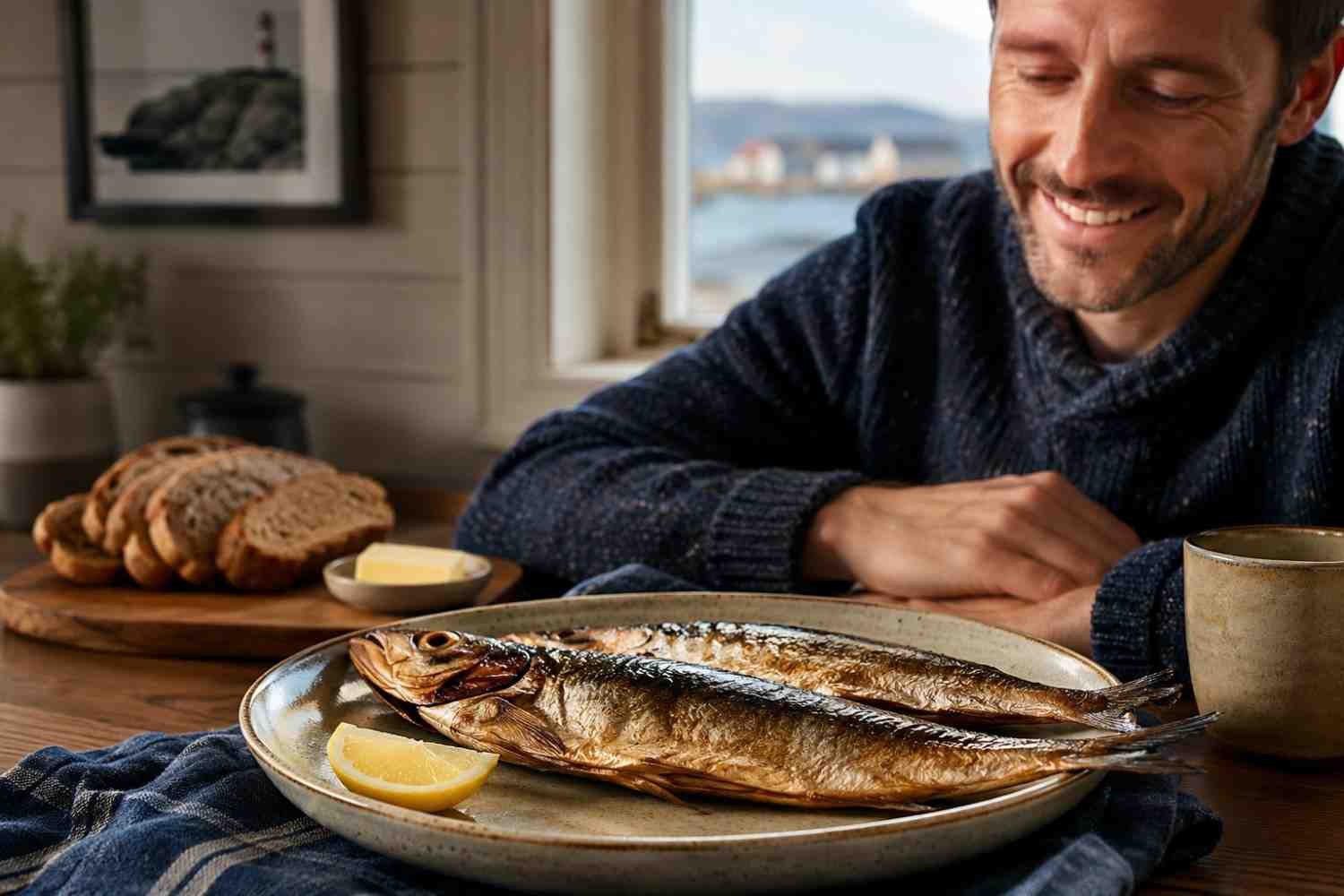
Among Scotland’s most famous food specialties, Arbroath Smokies have earned international recognition. These haddock are traditionally tied in pairs and hot-smoked over hardwood fires until they develop their distinctive golden color and flaky texture. The product is protected under Protected Geographical Indication (PGI) status, meaning authentic Arbroath Smokies must be produced using traditional methods in the designated area around Arbroath.
The flavor is rich yet surprisingly delicate. Many locals enjoy them simply with butter and bread, allowing the smoky character to shine.
West Coast Scallops
The waters off Scotland’s west coast produce scallops prized for their sweetness and tender texture. Chefs often prepare them with minimal ingredients because the quality of the seafood speaks for itself. A quick sear in butter is often all that’s needed.
Some restaurants pair scallops with black pudding, creating a combination that balances sweetness, richness, and texture in a way that has become a modern Scottish classic.
Langoustines and Oysters
Scotland’s west coast is known for exceptionally clean waters, making it an ideal environment for shellfish. Fresh oysters and langoustines frequently appear on menus throughout coastal villages and island communities.
The best versions are often the simplest. Freshly shucked oysters with a squeeze of lemon or whole langoustines served with garlic butter allow the natural flavor of the seafood to remain the focus.
Scottish Smoked Salmon

Scottish smoked salmon has developed a global reputation for its buttery texture and delicate flavor. Produced from salmon raised or caught in cold coastal waters, it appears in everything from breakfast plates to elegant seafood platters.
Whether served with scrambled eggs, dark rye bread, or cream cheese, smoked salmon demonstrates how quality ingredients often need very little enhancement.
Fish Supper
No discussion of Scottish coastal food would be complete without mentioning the fish supper. Scotland’s version of fish and chips typically features haddock coated in a crisp batter and served with thick-cut chips.
It remains a staple in seaside towns because it combines affordability, freshness, and comfort. Many visitors discover that eating fish and chips beside a harbor is every bit as enjoyable as dining in a restaurant.
The Ingredients That Define Coastal Scottish Cuisine
One reason coastal Scottish cuisine stands out is the quality of its ingredients. Cold northern waters contribute to the flavor and texture of seafood, while local producers continue to emphasize freshness and seasonal availability.
Several ingredients appear repeatedly across coastal dishes:
- Smoked haddock
- Atlantic salmon
- Langoustines
- Mussels and oysters
- Oats
- Potatoes
- Local honey
- Seasonal berries
These ingredients create a balance between seafood-focused dishes and the hearty comfort foods that Scottish cooking is known for.
Beyond Seafood: Coastal Comfort Foods and Desserts

While seafood often gets the attention, Scotland’s coastline also offers classic comfort foods. Haggis, neeps, and tatties remain popular throughout coastal communities, bringing together savory flavors and traditional ingredients in one iconic meal.
Scotch pies are another favorite. Their portable nature made them practical for workers and travelers, and they continue to appear in bakeries throughout the country.
For dessert, Cranachan delivers a perfect taste of Scotland. Layers of toasted oats, raspberries, honey, whipped cream, and Scotch whisky create a dessert that feels both rustic and indulgent. Scottish tablet offers a completely different experience—a crumbly, sweet confection that provides a welcome sugar boost after a day exploring the coast.
How Coastal Food Connects to Scotland’s Wider Culinary Heritage
The beauty of Scottish food culture is that regional traditions often overlap. Coastal communities may rely heavily on seafood, while inland regions focus more on game, livestock, and agricultural produce. Together, these influences create a broader culinary identity.
Visitors interested in understanding the full picture should also explore the local foods of the highlands, where ingredients like oats, venison, berries, and traditional baking reveal another side of Scotland’s food story. The connection between coast and Highlands shows how geography has shaped distinct yet complementary culinary traditions across the country.
FAQs: The Best Dishes to Try When Discovering Coastal Scottish Cuisine
1. What is coastal Scottish cuisine?
Coastal Scottish cuisine refers to the traditional foods and dishes found along Scotland’s coastline, particularly those centered around fresh seafood, shellfish, smoked fish, and regional comfort foods.
2. What seafood is Scotland most famous for?
Scottish salmon, Arbroath Smokies, langoustines, scallops, oysters, and smoked haddock are among the country’s most recognized seafood specialties.
3. When is the best time to enjoy Scottish seafood?
Seafood is available year-round, but seasonal availability can influence quality and variety. Many travelers enjoy visiting during spring and summer when coastal communities are particularly active.
4. What traditional Scottish seafood dish should first-time visitors try?
Cullen Skink is often considered the ideal introduction because it combines smoked haddock, potatoes, and onions in a rich, comforting soup that reflects Scotland’s coastal heritage.
Why These Flavors Stay With People Long After the Trip
Many memorable travel experiences revolve around food, and Scotland’s coastline has a way of creating exactly those moments. Whether it’s a bowl of Cullen Skink in a harbor café, freshly shucked oysters overlooking the water, or a simple serving of smoked fish enjoyed beside a fishing port, the dishes feel connected to the places where they originated. They tell stories about local communities, changing seasons, and generations of tradition that continue to shape the way people cook and eat today.
Long after the trip ends, it’s often those simple coastal meals that remain easiest to remember.