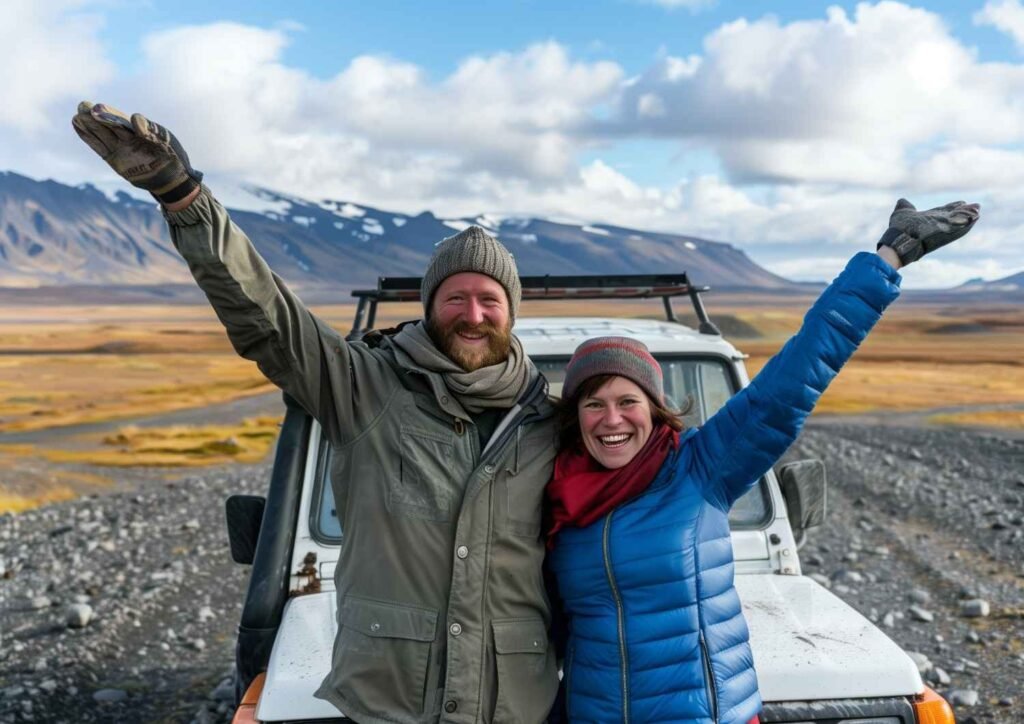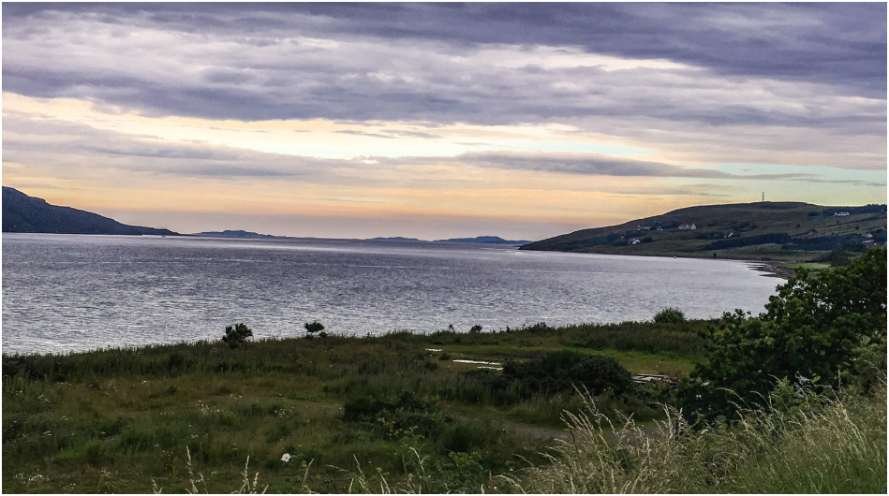
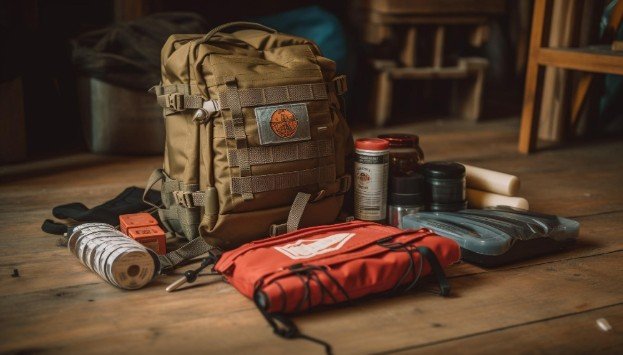
I have learned that the best outdoor trips are not built around packing more. They are built around packing smarter. Whether I am planning a national park hike, a weekend camping trip, a forest trail walk, or a mountain escape, the right gear helps me stay comfortable, safe, and ready for sudden changes. That is why Essential Gear for Outdoor Adventures should focus on practical items that solve real problems outdoors, not random products that only add weight.
Before heading out, I always think about five simple needs: finding my way, staying dry, keeping warm, having enough food and water, and handling small emergencies. Once those are covered, the whole trip feels easier.
Quick Outdoor Gear Checklist Before You Leave
A strong packing list should include navigation tools, weather-ready clothing, enough water, trail snacks, first aid supplies, sun protection, emergency light, repair tools, fire starter, and shelter. For longer trips, you may also need camping gear, cooking supplies, dry bags, bug protection, and backup power.
The smartest approach is to pack by trip type. A short trail walk near town needs less gear than a desert hike, a mountain backpacking route, or a cold-weather camping trip. Still, every outdoor plan should begin with safety.
Navigation Gear You Should Never Skip
Getting lost is one of the easiest outdoor problems to avoid. A phone with offline maps is helpful, but it should not be your only option. Battery life can drop fast in cold weather, remote areas may have weak signal, and apps can fail at the worst moment.
Pack a paper map, a compass, and a fully charged phone with downloaded maps. For remote trails, a GPS device or satellite messenger can be a smart choice. This is especially useful in large parks, mountain regions, desert routes, and backcountry areas where help may not be close.
Smart Navigation Tip
Tell someone your route, parking area, expected return time, and backup plan before leaving. This simple step can make a big difference if your trip takes longer than expected.
Clothing and Footwear for Changing Weather
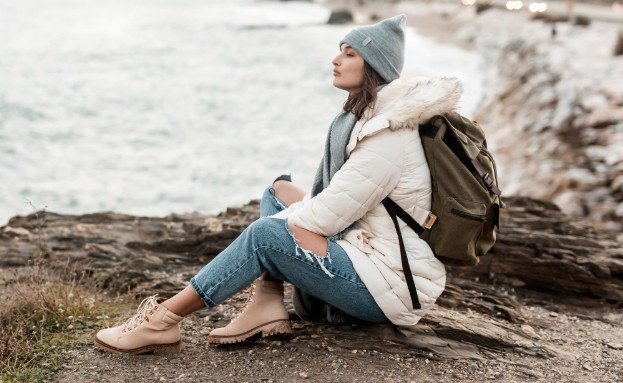
Start with a moisture-wicking base layer, add an insulating layer, and carry a rain shell or windproof jacket. Avoid cotton for active outdoor trips because it holds moisture and can make you cold. Quick-dry shirts, fleece, merino socks, and lightweight pants are better choices.
Footwear matters just as much. Trail runners work well for light hikes and dry paths. Hiking boots are better for rocky trails, muddy routes, or carrying a heavy backpack. Always wear shoes that are already broken in, not brand-new pairs.
Food, Water, and Hydration Essentials
Water is one of the most important items for any outdoor plan. Bring more than you think you need, especially for hot trails, desert hikes, and long summer days. A water bottle or hydration reservoir works well for most trips. For longer hikes, carry a water filter or purification tablets.
Food should be simple, lightweight, and easy to eat. Trail mix, protein bars, dried fruit, jerky, nut butter packs, and sandwiches are practical options. For overnight camping, add easy meals, a compact stove, fuel, cookware, and a lighter.
The goal is steady energy. Do not wait until you feel weak or dizzy to eat or drink. Small snacks throughout the day help keep your pace comfortable.
Safety Gear for Hiking, Camping, and Remote Trails
Safety gear should be easy to reach, not buried at the bottom of your bag. A basic first aid kit should include bandages, blister care, disinfectant-impregnated wipes, pain relief, medical tape, and any personal medication.
A headlamp is better than a phone flashlight because it keeps your hands free. Always bring extra batteries or a backup charge source. A whistle, emergency blanket, small knife, duct tape, and multitool can help with unexpected repairs or emergencies.
Sun protection is also safety gear. Pack sunglasses, sunscreen, a hat, and protective clothing. In wooded areas, add insect repellent. In bear country, follow local food storage rules and carry approved bear spray where recommended.
Camping Gear for Overnight Outdoor Adventures
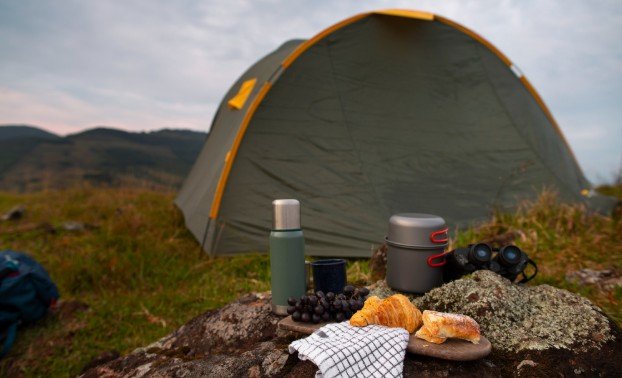
Overnight trips need more planning because comfort and safety continue after sunset. A reliable tent, sleeping bag, sleeping pad, and camp light are the main basics. Choose a sleeping bag rated for the coldest temperature you may face, not just the average forecast.
Dry bags or waterproof stuff sacks help protect clothing, electronics, and sleeping gear. A camp stove, fuel, lighter, food storage bag, trash bag, and small towel are also useful. If you are camping in colder places, pack warm sleep layers and socks only for sleeping. Comfort matters, but avoid overpacking. Every extra item adds weight and slows you down.
Extra Gear Based on Your Adventure Type
Different outdoor plans need different extras. For a day hike, focus on light layers, water, snacks, navigation, and first aid. For backpacking, add shelter, sleep gear, stove, water treatment, and a stronger repair kit.
For kayaking or paddle trips, use a dry bag, water shoes, quick-dry clothing, and a properly fitted life jacket. For family adventures, bring extra snacks, wipes, sun hats, simple games, and spare clothing for kids. For winter trips, pack insulated gloves, neck traction devices, warm layers, and extra food because cold weather burns more energy.
For road trips to parks and scenic areas, keep a small gear bin in the vehicle with a blanket, water, rain jackets, flashlight, trash bags, and basic tools.
Final Packing Tips Before You Go
Before leaving, I always check the weather, trail conditions, road access, permits, and local safety alerts. I charge my phone, download maps, refill water, test my headlamp, and place important gear near the top of my pack.
I also do a final five-minute check: water, food, layers, first aid, light, map, keys, wallet, and emergency contact plan. That quick habit has saved me from forgetting something important more than once.
The best gear is not always the most expensive. It is the gear you understand, trust, and know how to use.
Frequently Asked Questions
1. What is the most important gear for outdoor adventures?
The most important gear includes navigation tools, water, food, weather-ready clothing, first aid supplies, light, fire starter, sun protection, repair tools, and emergency shelter. These items help with comfort, safety, and unexpected changes.
2. How much water should I bring for a hike?
For many hikes, a good starting point is about half a liter of water per hour of moderate activity. Hot weather, steep trails, high elevation, and longer routes may require more.
3. What should beginners buy first?
Beginners should start with comfortable footwear, a reliable backpack, water storage, rain protection, a headlamp, first aid basics, and navigation tools. These items matter more than expensive gadgets.
4. Do I need Essential Gear for Outdoor Adventures on short trips?
Yes, Essential Gear for Outdoor Adventures still matters on short trips because weather, delays, wrong turns, and small injuries can happen even close to home.
Final Thoughts
I always feel more confident outside when my pack is simple, useful, and ready for real conditions. I do not want to carry gear that slows me down, but I also do not want to miss the items that protect my comfort and safety. The right checklist helps me enjoy the trail, campsite, river, forest, or mountain without second-guessing every step.
For me, Essential Gear for Outdoor Adventures is really about freedom. When I know I have water, layers, light, food, navigation, and emergency basics, I can focus on the views, the quiet, and the reason I went outside in the first place.