Some places are best understood through their landscapes. Others reveal themselves through the food on the table. Scotland happens to do both. From windswept coastlines and fishing villages to fertile farmland and Highland communities, the country’s culinary traditions reflect the environments that shaped them.
What makes local foods in Scotland so fascinating is that they are more than recipes passed down through generations. They are stories of resilience, ingenuity, celebration, and community. Every bowl of soup, slice of pie, or spoonful of dessert offers a glimpse into the lives of the people who created these dishes long before modern kitchens and global food trends arrived.
Why Food Tells the Story of Scotland?

Scottish cuisine developed from necessity as much as creativity. For centuries, people relied on what was available locally, whether that meant seafood from coastal waters, oats from hardy crops, game from the Highlands, or dairy products from rural farms.
The result is a collection of traditional Scottish food that reflects the country’s geography and climate. Long winters encouraged preservation techniques, coastal communities perfected seafood dishes, and farming regions created hearty meals designed to sustain families through demanding work. These influences continue to define authentic Scottish food today.
Local Foods in Scotland That Carry Generations of History
Haggis and the Tradition of Resourceful Cooking
No discussion of Scottish dishes feels complete without haggis. While it often sparks curiosity among visitors, its origins reveal a practical approach to food that helped communities avoid waste.
Ancient hunters and farmers needed ways to preserve highly perishable ingredients. By combining sheep offal with oats and spices inside the animal’s stomach, they created a nourishing meal that could travel long distances. What began as a practical solution eventually became a national symbol.
The dish gained cultural significance when Robert Burns celebrated it in his famous poem in 1786, transforming what was once considered humble peasant food into a centerpiece of Scottish identity. Today, haggis remains one of the most recognizable Scottish specialties and continues to appear at Burns Night celebrations across the country.
Cullen Skink and Scotland’s Fishing Heritage
Few dishes capture Scotland’s connection to the sea better than Cullen skink. This rich soup originated in the fishing village of Cullen and showcases how local communities adapted during challenging economic periods.
Originally, residents prepared broth using beef. During a difficult economic downturn in the late nineteenth century, meat became increasingly expensive. Local fishermen turned to smoked finnan haddock, which was more readily available, creating a creamy and flavorful soup that quickly became a staple.
Today, Cullen skink remains one of the most beloved examples of Scottish seafood traditions. Its combination of smoked haddock, potatoes, and onions creates a comforting dish that reflects the ingenuity of coastal communities.
Arbroath Smokies and an Accidental Discovery
Some culinary traditions emerge through careful planning. Others begin with pure chance.
According to local legend, a cottage fire in the small village of Auchmithie accidentally smoked salted fish hanging in the rafters. Rather than discard the fish, villagers tasted it and discovered a distinctive flavor they loved. Over time, they refined the smoking process using local oak logs.
The result became Arbroath Smokies, one of Scotland’s most famous seafood products. The technique remains largely unchanged, preserving a food tradition that has endured for generations and contributes significantly to regional Scottish food heritage.
Scotch Pies and Everyday Working-Class Life
Many traditional foods in Scotland developed around practicality, and Scotch pies are a perfect example.
Often described as the medieval version of fast food, these pies were originally designed for workers who needed portable meals during long shifts. Bakers created hard, raised pastry shells that acted as sturdy containers for minced mutton. The crust protected the filling and made the pie easy to carry and eat without utensils.
Shipyard workers, laborers, and football fans embraced Scotch pies because they were affordable, filling, and convenient. Their popularity continues today, making them one of the most enduring examples of everyday Scottish cuisine.
Cranachan and the Celebration of Summer
Not every iconic dish emerged from hardship. Some grew out of celebration.
Cranachan traces its roots to a rustic dish known as ale-crowdie, traditionally prepared during the raspberry harvest season. The original recipe combined fresh berries, toasted oats, local heather honey, and crowdie cheese. Over time, cream and whisky became popular additions.
The dessert highlights the importance of seasonal ingredients in Scottish culinary traditions. Even today, cranachan remains closely associated with summer gatherings and special occasions, showcasing the natural produce that thrives across Scotland.
How Different Regions Shape Scottish Cuisine?
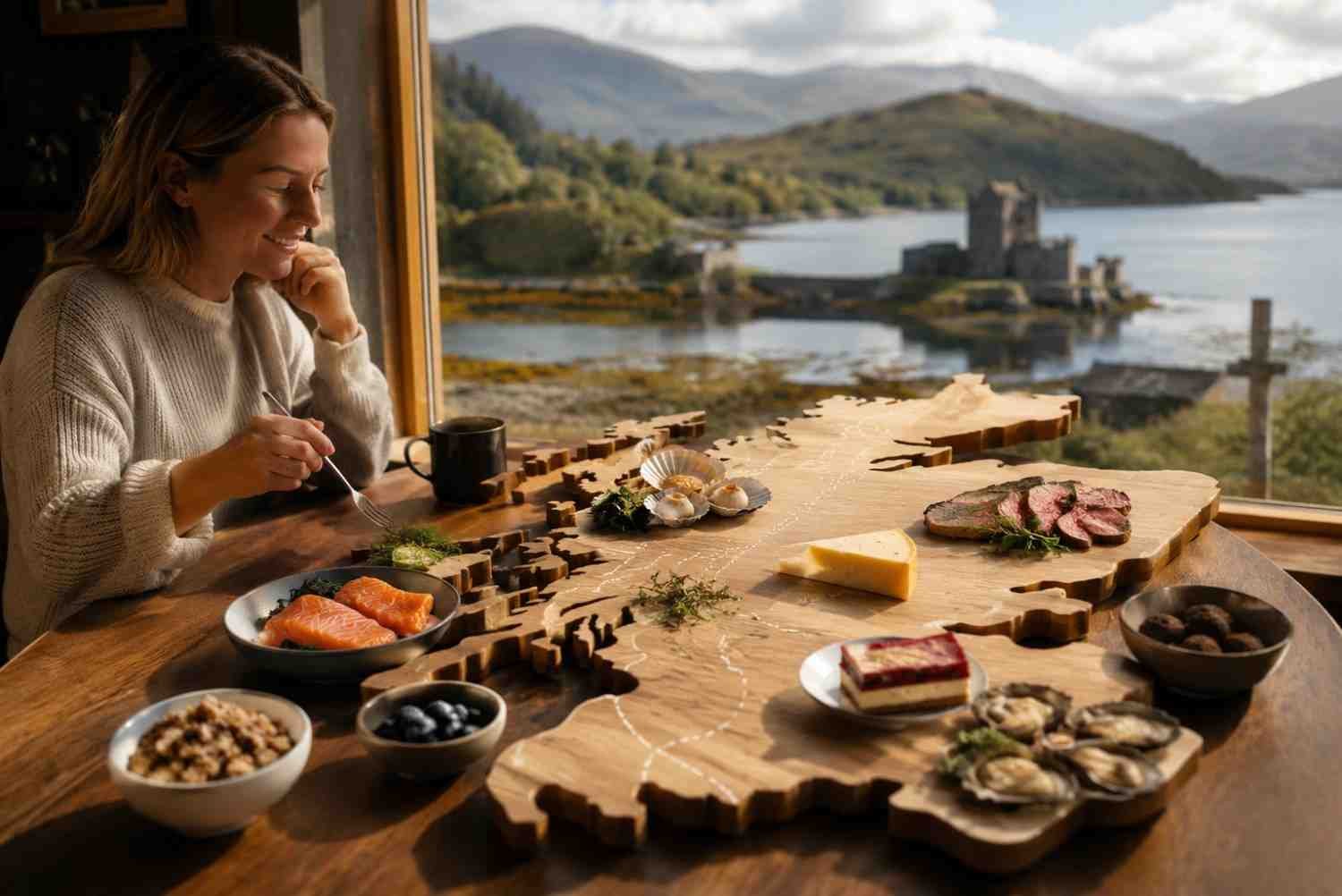
One reason local foods in Scotland feel so diverse is the country’s varied geography.
Coastal regions naturally emphasize seafood, including smoked haddock, salmon, shellfish, and other fresh catches. Island communities often rely on traditional preservation methods that developed long before refrigeration.
The Highlands have historically focused on game, livestock, and hearty stews capable of sustaining people through colder weather. Meanwhile, agricultural regions produce dairy products, oats, berries, and honey that appear in countless traditional recipes.
Understanding these regional differences provides deeper insight into Scottish food culture, where local ingredients remain closely connected to local identity.
The Role of Food in Everyday Scottish Life
Food in Scotland extends far beyond restaurants and tourist attractions. It plays an important role in family gatherings, community events, and seasonal celebrations.
Traditional dishes often appear during holidays, local festivals, and family meals, creating a strong connection between food and shared memories. Many recipes continue to pass from one generation to the next, preserving culinary history through everyday cooking.
This sense of continuity helps explain why authentic Scottish food remains relevant despite changing tastes and modern influences. People are not simply preserving recipes; they are preserving stories.
How Traditional Foods Continue to Evolve?
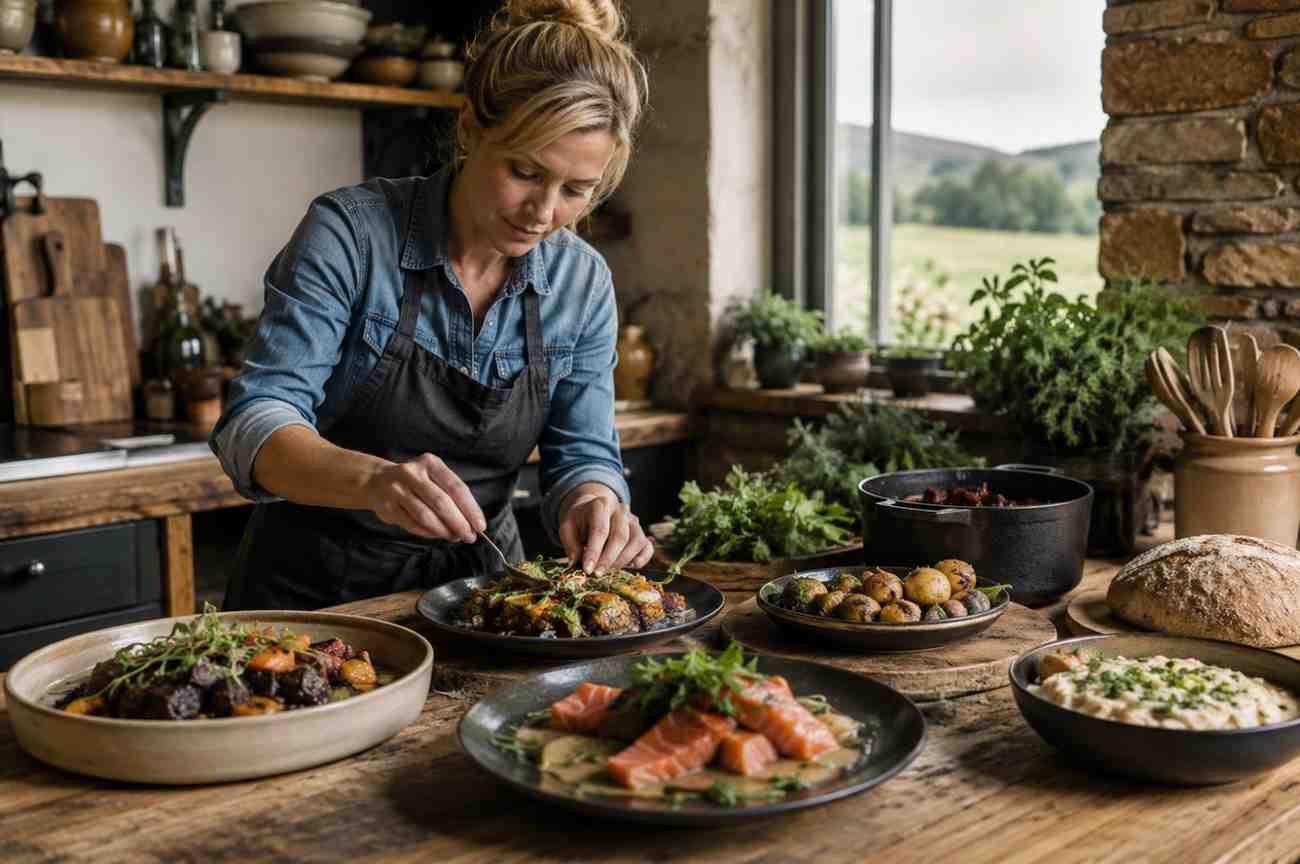
While many classic Scottish dishes have deep historical roots, they continue to evolve.
Modern chefs frequently reinterpret traditional recipes using contemporary cooking techniques while maintaining their original character. Sustainable fishing practices, local produce, and farm-to-table dining have also influenced today’s food scene.
As interest in food heritage grows, many restaurants and producers are highlighting regional ingredients and traditional preparation methods. This balance between innovation and preservation ensures that Scotland’s culinary traditions remain vibrant for future generations.
FAQs: The Local Foods in Scotland That Tell a Story With Every Bite
1. What is the most traditional food in Scotland?
Haggis is widely considered the most traditional Scottish dish due to its historical significance and strong cultural connection to national celebrations.
2. What local food should first-time visitors try?
Many visitors start with haggis, Cullen skink, Scottish salmon, Scotch pies, and cranachan to experience a range of flavors and culinary traditions.
3. Is Scottish cuisine mainly seafood and meat?
Seafood and meat play important roles, but Scottish cuisine also features oats, berries, dairy products, soups, breads, and desserts made from locally sourced ingredients.
4. What dessert is Scotland known for?
Cranachan is one of Scotland’s most famous desserts, combining cream, oats, raspberries, honey, and often a touch of whisky.
Why These Flavors Continue to Matter
The most memorable foods are rarely just about taste. They connect people to places, traditions, and experiences that stretch across generations. Scotland’s culinary heritage demonstrates how communities adapted to their surroundings, celebrated seasonal harvests, and turned simple ingredients into lasting traditions. Whether it’s a bowl of Cullen skink served near the coast or a plate of haggis shared during a celebration, these dishes continue to tell stories that remain relevant today.
Every bite offers a reminder that food is often the most meaningful way to understand a place and the people who call it home.