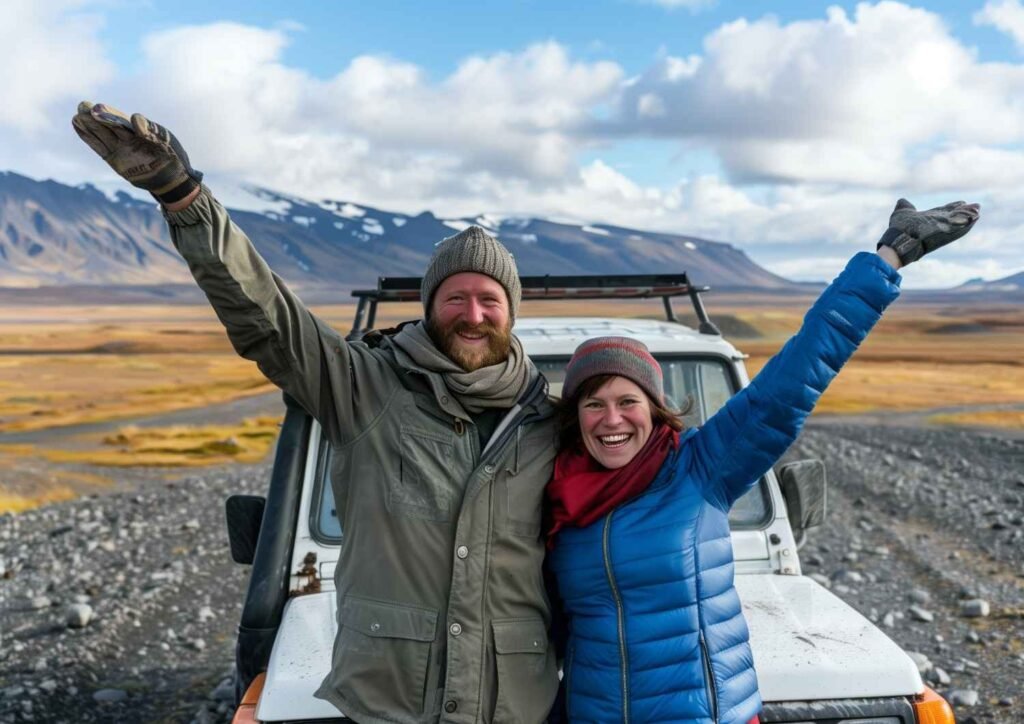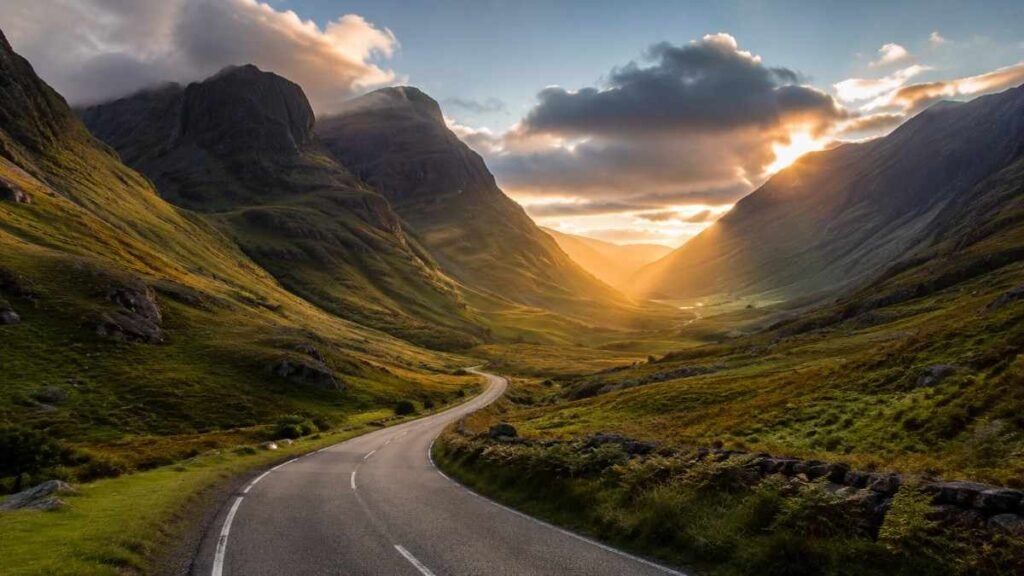
I used to think outdoor adventure meant climbing cliffs, crossing wild rivers, or spending days in remote places with expensive gear. The truth is much simpler. Outdoor Adventure Activities for Beginners can start with short walks, calm-water paddling, easy camping, beginner cycling, or guided group experiences that feel exciting without being overwhelming.
The best first adventure is not the hardest one. It is the one that helps you feel confident, safe, and ready to go outside again.
What Makes an Outdoor Activity Beginner-Friendly?
A beginner-friendly outdoor activity should be easy to start, simple to understand, and safe enough for someone with little or no experience. It should not require advanced fitness, costly equipment, or expert navigation skills on the first day.
The best options usually have marked routes, rental gear, beginner lessons, or guided sessions. They also let you control the pace. That is why hiking, camping, kayaking, paddleboarding, rucking, nature walks, and indoor climbing are great starting points. They offer adventure without forcing you into extreme situations.
Best Easy Outdoor Activities to Try First
If you are still deciding where to begin, these outdoor adventures to try this year include simple activity ideas that fit naturally with beginner hiking, camping, paddling, and cycling plans.
Hiking on Short Marked Trails
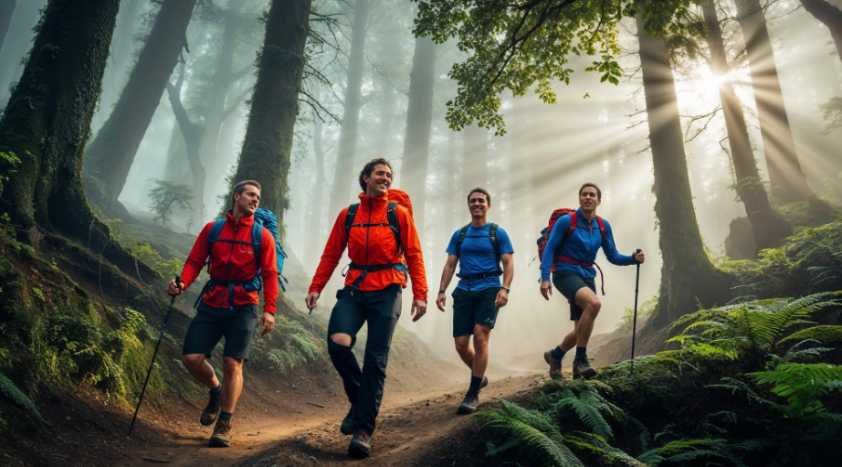
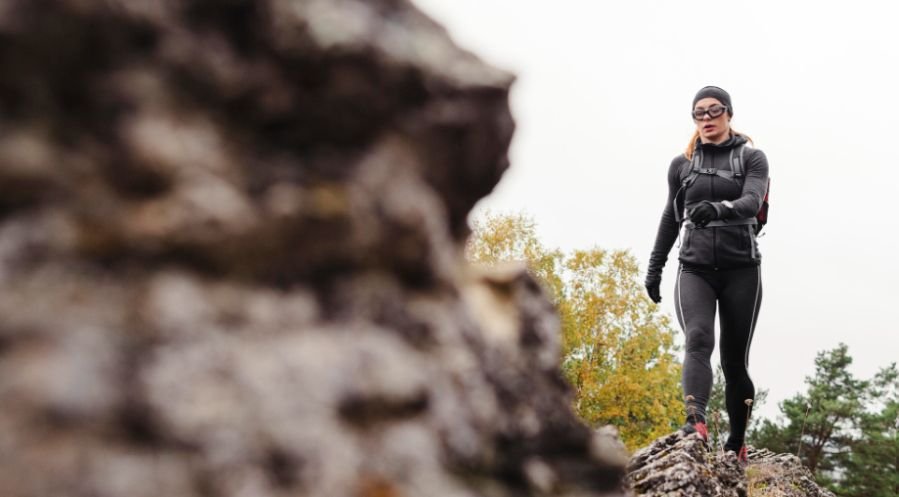
Hiking is one of the easiest ways to begin because you can choose a short, flat, well-marked trail. You do not need much gear to start. Comfortable shoes, water, weather-appropriate clothing, and a small backpack are usually enough for an easy route.
Start with a trail under two hours, preferably one with clear signs and steady phone signal. Avoid remote paths, steep climbs, and difficult terrain until you understand your comfort level. Hiking builds confidence because every trip can be adjusted to your pace.
Car Camping for a Simple First Night Outside
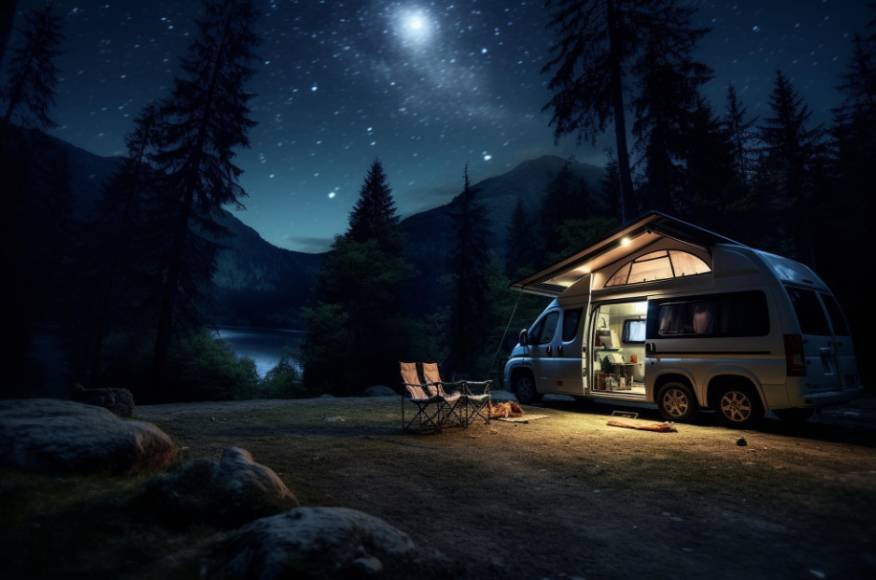
Camping sounds intimidating, but car camping makes it much easier. You can stay at a developed campsite, keep extra supplies nearby, and avoid carrying everything on your back. This is ideal for first-timers who want the outdoor experience without the pressure of wilderness survival.
Choose a campsite with toilets, drinking water, and nearby help. Practice setting up your tent at home first. Keep meals simple, pack warm layers, and bring a flashlight or headlamp.
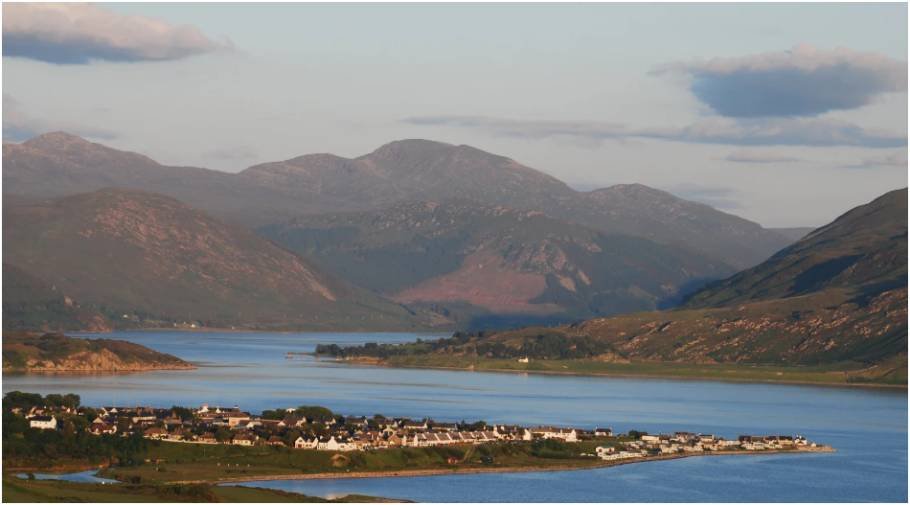
For an easy food plan, you can also look for traditional Scottish food and choose simple local dishes or snacks that make your first camping night feel more enjoyable. Your first camping trip should feel relaxed, not like a test.
Kayaking on Calm Water
Kayaking is a fun beginner adventure when done on calm lakes, slow rivers, or protected coastal areas. The safest way to start is with a rental provider, lesson, or guided session. This helps you learn paddling basics, balance, turning, and safety rules before going alone.
Always wear a life jacket, check the weather, and avoid strong currents. Beginners should stay close to shore and choose short sessions. Kayaking is especially good for people who want adventure without high-impact movement.
Stand-Up Paddleboarding on Quiet Water
Stand-up paddleboarding looks difficult at first, but beginner boards are usually wide and stable. You can start on your knees, practice balance, then stand when you feel ready. Calm water is important because waves, wind, and boat traffic can make it harder.
This activity works well for people who enjoy water but want a slower pace than kayaking. Take a beginner lesson if possible, wear a flotation device, and avoid going out alone on your first try.
Try Skill-Based Adventures in Controlled Settings
Indoor Climbing Before Outdoor Rock Climbing
Indoor climbing is a smart first step before outdoor climbing. Climbing gyms provide beginner routes, rental shoes, safety mats, harnesses, and trained staff. You can learn basic movement, grip, balance, and confidence in a controlled space.
Once you feel comfortable indoors, you can consider guided outdoor climbing. Do not start outdoor climbing without proper instruction, equipment, and supervision. This is one activity where learning the basics first matters a lot.
Easy Mountain Biking Trails
Mountain biking does not have to mean steep drops or rocky descents. Many parks and trail centers have easy beginner routes with gentle paths. Start with flat forest trails or wide gravel routes before trying technical terrain.
A helmet is essential. Gloves, water, and a properly fitted bike also make the ride safer. If you are unsure, rent a bike first instead of buying one. Beginner riding should focus on control, braking, and comfort.
Rucking for Fitness and Adventure
Rucking is simply walking with a weighted backpack. It has become popular because it is easy to start and does not require special skills. You can begin with a light backpack, a short route, and a steady walking pace.
Use soft weight, such as a towel-wrapped bottle or small load, and keep it close to your back. Do not overload your bag. Rucking is a good option for people who want a fitness challenge without running or intense training.
Low-Cost Outdoor Ideas for First-Timers
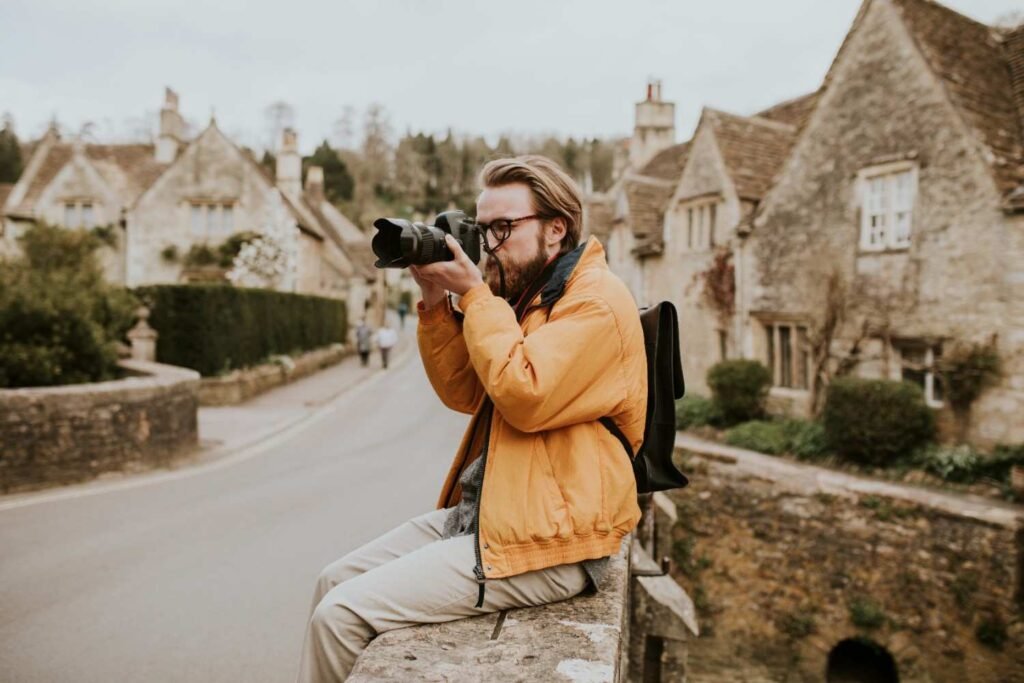
Not every adventure needs paid guides or expensive gear. Nature walks, birdwatching, photography walks, beach walks, picnic hikes, local park cycling, and beginner trail walks can all feel refreshing. These activities help you build outdoor confidence before spending money on bigger experiences.
The key is to make the activity feel enjoyable. If you love quiet places, start with nature walks. If you enjoy movement, try hiking or cycling. If you like water, begin with kayaking or paddleboarding through a trusted rental service.
How to Choose the Right First Adventure
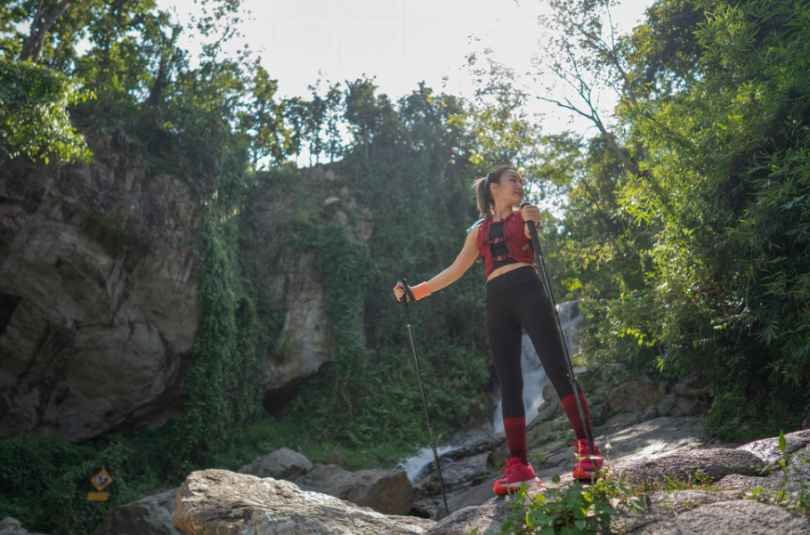
Pick your first activity based on comfort, not pressure. If you are nervous about fitness, choose a short walk, easy hike, or rucking route. If you want something social, join a beginner group session. If you are curious about water sports, book a guided kayaking or paddleboarding lesson.
Think about weather, distance, cost, and safety. Ask yourself whether the activity allows you to stop easily, return quickly, or get help if needed. A good first adventure should leave you excited, not exhausted.
Basic Gear You Need Before Starting
You do not need to buy everything at once. Start with the basics: comfortable footwear, a water bottle, snacks, sun protection, a light rain layer, a small backpack, and a charged phone. For longer outings, add a first-aid kit, map, power bank, and headlamp.
For activity-specific gear, rent before buying. This is especially useful for kayaking, paddleboarding, camping, climbing, and biking. Renting helps you test what you enjoy before investing in equipment.
Safety Tips Every Beginner Should Follow
Always check the weather before leaving. Tell someone where you are going and when you expect to return. Start with short routes, stay on marked paths, and avoid remote areas until you gain experience.
Carry more water than you think you need. Wear layers because outdoor conditions can change quickly. Do not rely only on phone signals. For water activities, always wear a life jacket. For climbing, biking, or paddling, use trained instructors when needed.
Frequently Asked Questions
1. What are the safest Outdoor Adventure Activities for Beginners?
The safest options are short hikes, nature walks, car camping, beginner cycling, indoor climbing, calm-water kayaking, and guided paddleboarding. These activities are easier to control and can be done with simple safety steps.
2. What outdoor activity needs the least experience?
Nature walking is usually the easiest. You can start in a local park, choose a short route, and go at your own pace without special gear.
3. Is kayaking good for first-timers?
Yes, kayaking can be beginner-friendly on calm water with a guide, rental provider, or lesson. A life jacket, good weather, and a short route are important.
4. What should I avoid on my first outdoor adventure?
Avoid remote trails, extreme weather, advanced routes, heavy gear, and activities that require skills you have not learned yet. Start simple and build confidence.
Final Thoughts
I believe the best outdoor adventures begin with small, enjoyable steps. You do not need to be highly fit, fearless, or fully equipped to start. You only need the right activity, basic preparation, and a safe place to try something new.
Outdoor Adventure Activities for Beginners are about building confidence first. Once you enjoy that first hike, camping night, paddle session, or easy trail ride, the outdoors starts to feel less intimidating and much more rewarding.