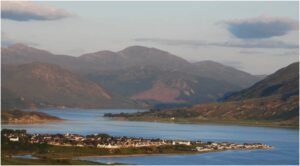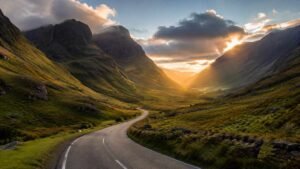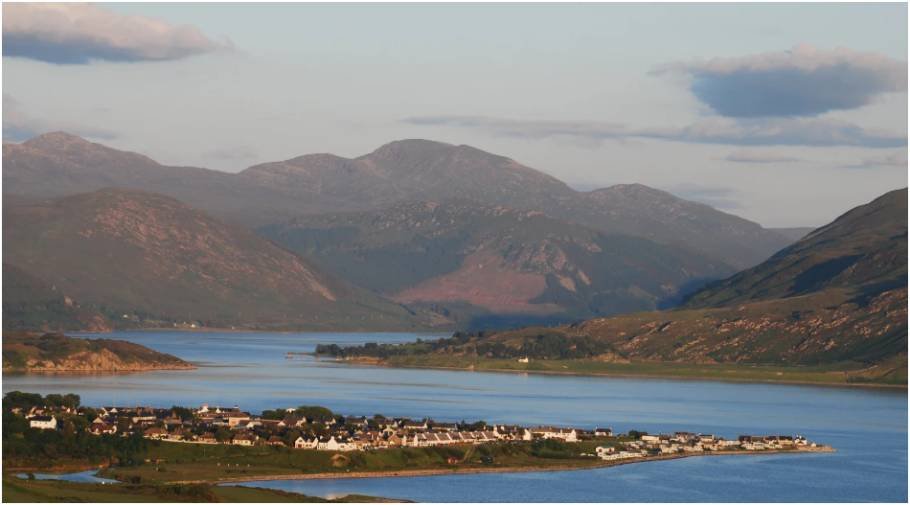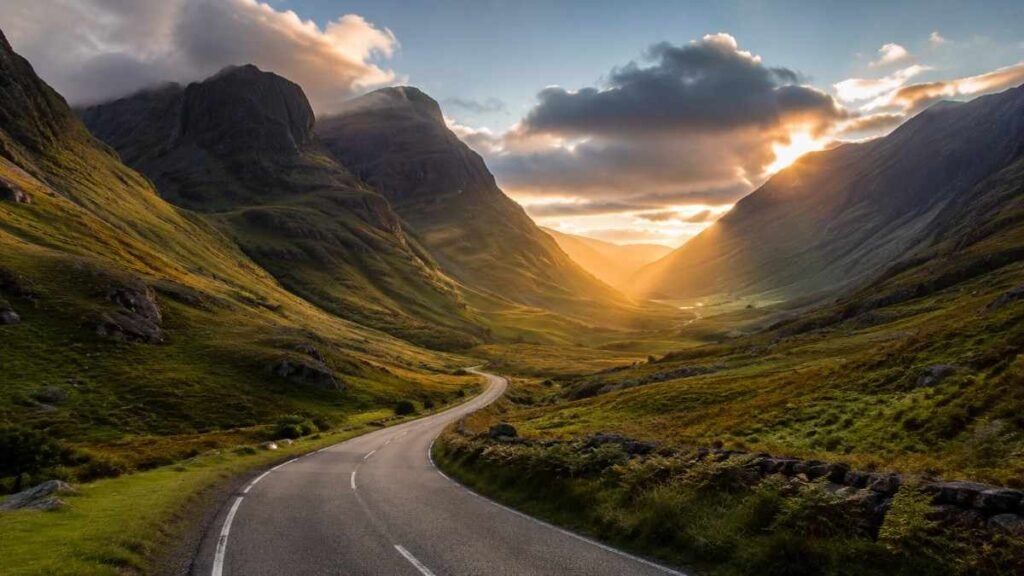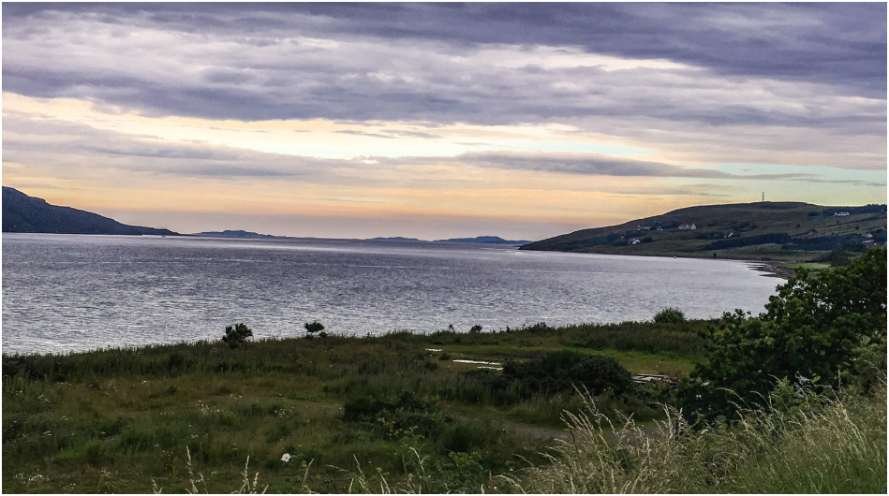

Planning a Scotland road trip from the United States is exciting, but timing can shape the entire experience. The best time to road trip Scotland is usually during the shoulder seasons of May to June and September to early October. These months give you a strong balance of longer daylight, lighter traffic, better prices, fewer midges, and scenic landscapes without the full peak-summer rush.
I would especially recommend June for first-time drivers who want long days and easier sightseeing, while September is ideal if you want quieter Highland roads, lower crowds, and a more relaxed pace. July and August can still be beautiful, but they bring heavier traffic, higher hotel rates, and peak midge activity in the Highlands and west coast.
What Is the Best Month to Drive Around Scotland?
If I had to choose one month, I would pick September. It gives US travelers a smoother road trip because summer crowds start thinning, rental car demand becomes less intense, and popular stops like Glencoe, Loch Ness, Fort William, and the Isle of Skye feel easier to enjoy.
June comes very close because Scotland gets incredibly long daylight hours. In many parts of the country, June can bring around 17 to 18 hours of daylight, which makes scenic driving, castle visits, photo stops, and late check-ins much easier.
That extra daylight matters when you are adjusting to jet lag, driving on the left side of the road, and navigating roundabouts or single-track Highland roads for the first time.
May is another excellent option for spring scenery, blooming landscapes, and lower prices. Early October can also work beautifully for fall colors, but shorter days and reduced seasonal hours make it better for slower trips.
Scotland Road Trip Seasons Compared

Spring is one of the best times for travelers who want fresh scenery and manageable crowds. May and June are especially strong because many tourism businesses are open, the weather improves, and the landscapes look green and dramatic. You may still get rain, but that is part of traveling in Scotland. I would pack waterproof layers instead of waiting for a perfect forecast.
Summer brings the warmest weather, the most open attractions, and the longest travel days. July and August work well for families visiting during school vacation, but they are also the busiest and most expensive months. Roads near Skye, Glencoe, Edinburgh, Loch Lomond, and the North Coast 500 can feel crowded, especially with campervans on narrow roads.
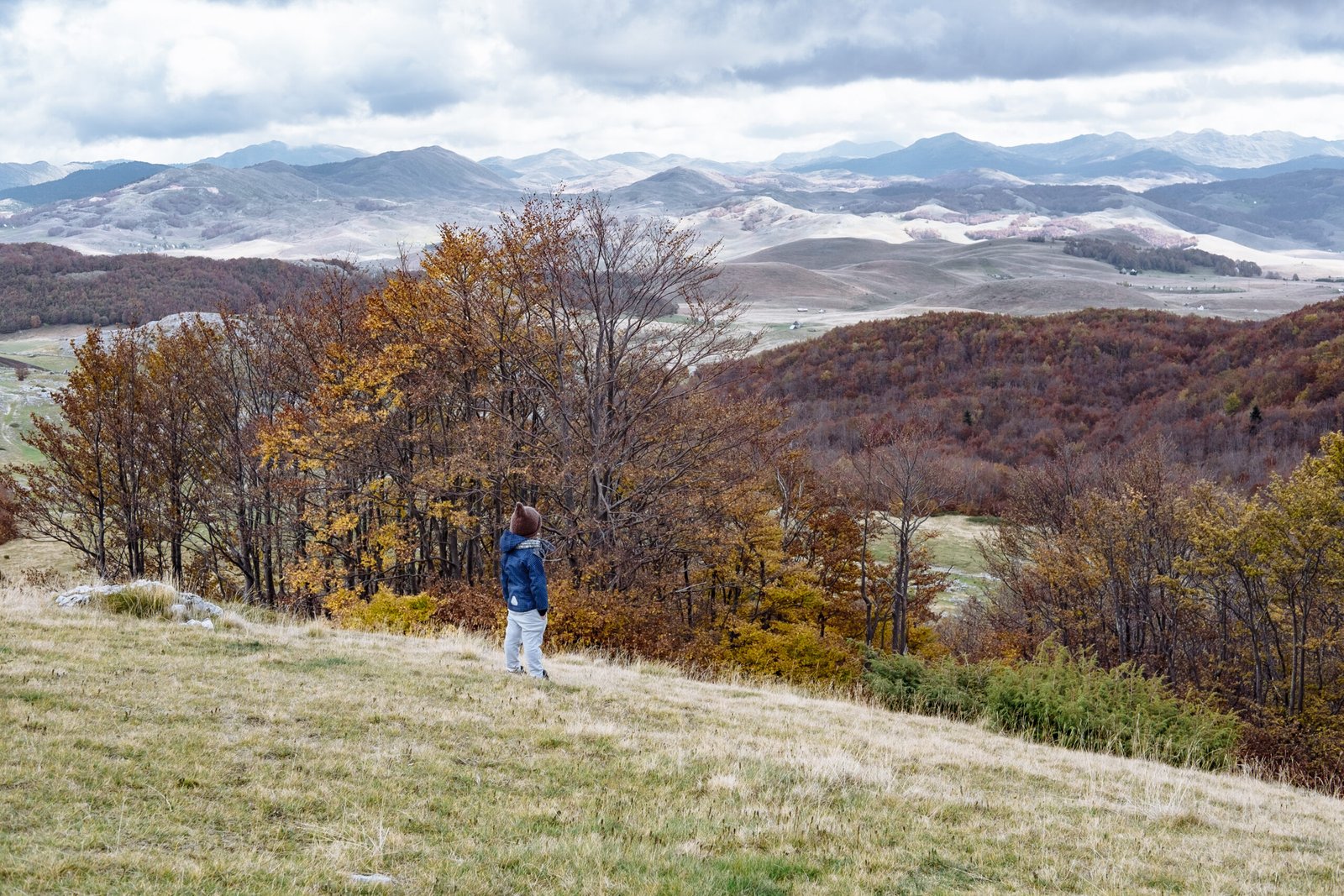
Fall is one of my favorite seasons for a Scotland road trip. September and early October offer moody skies, golden landscapes, calmer roads, and better availability than peak summer. This is a great time for photography, Highland drives, castle routes, and loch-side stays.
Winter, from November to April, is best for travelers who want quiet roads, snowy scenery, cozy inns, and cheaper rates. However, it is not ideal for a first Scotland road trip from the US. Days are short, some rural attractions close, ferries may run limited schedules, and snow or ice can affect Highland routes.
Why Shoulder Season Is the Best Choice for US Travelers
The best time to road trip Scotland depends on your travel style, but shoulder season gives most Americans the safest balance. May, June, September, and early October help you avoid the most frustrating parts of peak summer while still enjoying open routes, decent weather, and strong sightseeing conditions.
For travelers flying from the US, shoulder season also helps with budget planning. Flights and hotels may be more reasonable than in peak summer, especially if you avoid major Edinburgh event dates. Rental cars can still be expensive, but availability is usually better outside July and August.
Shoulder season also gives you a more comfortable pace. Instead of fighting for parking at every viewpoint or rushing through busy villages, you can spend more time enjoying the drive itself. That matters in Scotland because the journey is often just as memorable as the destination.
The Midge Factor: What Road Trippers Should Know
Midges are tiny biting insects that can become a real nuisance in the Scottish Highlands, especially on damp, still days. They are most common from May to October, with peak activity often falling in July and August. VisitScotland notes that midges love humid, damp, shady places near rivers, ponds, lochs, marshlands, and woodlands.
This is one reason I would avoid July and August if your dream trip includes camping, hiking, loch-side picnics, or long evenings outdoors in the Highlands. May and September usually reduce your chances of dealing with the worst swarms, although they do not remove the risk completely.
If you plan to visit Skye, Glencoe, the west coast, or the North Coast 500, bring insect repellent and avoid standing still near water at dawn or dusk. Windy coastal days can actually help because midges dislike breezy conditions.
Daylight Hours Matter More Than You Think

Many US travelers underestimate how much daylight affects a Scotland road trip. In June, long days let you drive scenic routes, stop at castles, walk short trails, and still arrive at your accommodation before dark. This is helpful when roads are narrow or unfamiliar.
By December, daylight can shrink to roughly seven hours, which limits sightseeing and makes long routes harder. Winter darkness can also make rural driving feel more stressful, especially in areas with limited lighting.
That does not mean winter is impossible. It simply means your itinerary should be shorter, slower, and more flexible. For a first-time trip, I would save the bigger Highland route for late spring, summer, or early fall.
Road Conditions, Traffic, and Driving Confidence
Driving in Scotland is part of the adventure, but it requires patience. US travelers need to adjust to left-side driving, roundabouts, narrow lanes, and single-track roads with passing places. This is especially true on the Isle of Skye, the North Coast 500, and remote Highland routes.
Summer brings the easiest weather but also the heaviest traffic. Campervans, tour buses, cyclists, and rental cars can make narrow roads slower than expected. Winter brings the opposite problem: fewer vehicles, but more risk from ice, snow, short days, and temporary closures.
For most visitors, May, June, and September provide the best driving conditions because the roads are active but not overwhelming. I would also book the smallest automatic rental car that fits your luggage, since many older towns and rural parking areas are tight.
Seasonal Closures and Attraction Hours
Many castles, museums, boat trips, gardens, and rural attractions operate on reduced schedules outside the main travel season. Some close entirely between late October and Easter. This matters if your route depends on specific experiences like island ferries, wildlife tours, historic estates, or remote visitor centers.
During May through September, you will usually find the widest range of open attractions. October can still work, but you should check hours before building your route. From November through April, I would plan around cities, whisky regions, scenic drives, cozy stays, and flexible stops rather than a packed attraction-heavy itinerary.
Best Time for Popular Scotland Road Trip Routes
For an Edinburgh to Isle of Skye road trip, I would choose May, June, or September. This route often includes Stirling, Glencoe, Fort William, Eilean Donan Castle, and Skye, so extra daylight makes the drive much easier.
For the Scottish Highlands, late May through September works best. June is ideal for long days, while September gives you quieter roads and dramatic scenery. For the North Coast 500, I would avoid rushing the route in August because traffic and campervan volume can make the drive feel slower.
For a Scotland campervan itinerary, late May, June, or September usually works best. You get better daylight and more comfortable travel conditions without the heaviest peak-season pressure.
What Is the Worst Time for a Scotland Road Trip?
The hardest time for first-time US travelers is usually November through February. Scotland can look magical in winter, but short days, seasonal closures, icy roads, and limited rural services can make a long road trip harder than expected.
August can also be difficult if you dislike crowds or want better value. It is not a bad month, but it requires early booking and realistic expectations. If you travel in August, avoid overloading your itinerary and give yourself extra time for traffic, parking, and slower rural roads.
Frequently Asked Questions (FAQs)
1. What month is best for a Scotland road trip?
September is one of the best months because it offers fewer crowds, mild weather, scenic Highland landscapes, and easier road trip planning after peak summer.
2. Is June or September better for driving in Scotland?
June is better for long daylight and first-time drivers, while September is better for quieter roads, fewer crowds, and a more relaxed Highland trip.
3. Are midges bad during a Scotland road trip?
Midges can be bad in the Highlands from late spring to early fall, especially in July and August on damp, windless days near lochs, rivers, and wooded areas.
4. Can Americans drive safely in Scotland?
Americans can drive safely in Scotland, but they should prepare for left-side driving, roundabouts, narrow roads, and single-track routes with passing places.
5. Is October too late for a Scotland road trip?
October is not too late, especially for fall colors and quiet roads, but daylight is shorter and some attractions may reduce hours or close for the season.
Final Thoughts
The best time to road trip Scotland is not just about warm weather. It is about daylight, traffic, prices, midges, road confidence, and whether your chosen route will feel enjoyable instead of rushed. For most US travelers, May, June, September, and early October offer the smartest balance.
If I were planning a first Scotland road trip, I would choose June for long daylight or September for fewer crowds and calmer roads. Both months make it easier to enjoy castles, lochs, Highland views, coastal routes, scenic villages, and a slow road through the highlands of Scotland without the biggest drawbacks of peak summer or winter.