Food often tells a deeper story than any landmark or museum ever could. Sit down to a traditional meal, and you quickly discover how generations adapted to their surroundings, celebrated special occasions, and found comfort in everyday life. That is especially true when it comes to traditional Scottish food, where every dish reflects centuries of resourcefulness, community, and connection to the land.
Scotland’s rugged mountains, fertile farmland, and expansive coastline have shaped a cuisine that values substance over excess. While modern dining trends come and go, many classic Scottish dishes remain beloved because they offer something timeless: warmth, simplicity, and genuine flavor. From hearty soups to rich desserts, traditional Scottish food continues to play an important role in both daily life and cultural identity.
Why Traditional Scottish Food Developed the Way It Did?

The story of Scottish cuisine begins with geography. For centuries, communities relied heavily on what they could grow, raise, catch, or preserve locally. Long winters and unpredictable weather meant people needed meals that provided lasting energy and nourishment.
As a result, Scottish cooking evolved around practical ingredients such as oats, barley, potatoes, root vegetables, seafood, and livestock. Rather than masking flavors with heavy seasoning, cooks focused on techniques that enhanced natural taste. Slow cooking, smoking, curing, and simmering became essential parts of food preparation.
Many of today’s most recognizable Scottish dishes emerged from these traditions. They were designed to feed families efficiently while making the most of available resources. What began as necessity eventually became an enduring part of Scottish culinary heritage.
The Ingredients at the Heart of Scottish Cuisine
Oats, Root Vegetables, and Grains
Long before potatoes became widespread, oats served as one of Scotland’s most important staple foods. Their ability to thrive in challenging growing conditions made them invaluable for generations of farmers and households.
Oats appeared in everything from morning porridge to oatcakes, which often accompanied soups and stews. Traditional porridge was commonly stirred using a wooden spurtle, a practice that remains popular among enthusiasts today.
Root vegetables also played a central role in Scottish cooking. Turnips, carrots, and potatoes provided reliable nutrition throughout the colder months. Their versatility allowed families to create filling meals with minimal ingredients while maintaining excellent cost-per-wear value from seasonal harvests.
Seafood, Meat, and Wild Game
Scotland’s extensive coastline has long supplied communities with abundant seafood. Salmon, haddock, shellfish, and whitefish became dietary staples in many coastal regions. Smoking fish not only extended its shelf life but also created distinctive flavors that remain highly prized.
Meat has historically held an important place in authentic Scottish food. Lamb, beef, venison, and game birds frequently appeared in family meals and special occasions. Even less expensive cuts found their way into slow-cooked soups and stews, ensuring nothing went to waste.
This emphasis on local ingredients remains one of the defining characteristics of Scottish food culture today.
Classic Traditional Scottish Food That Still Defines the Cuisine
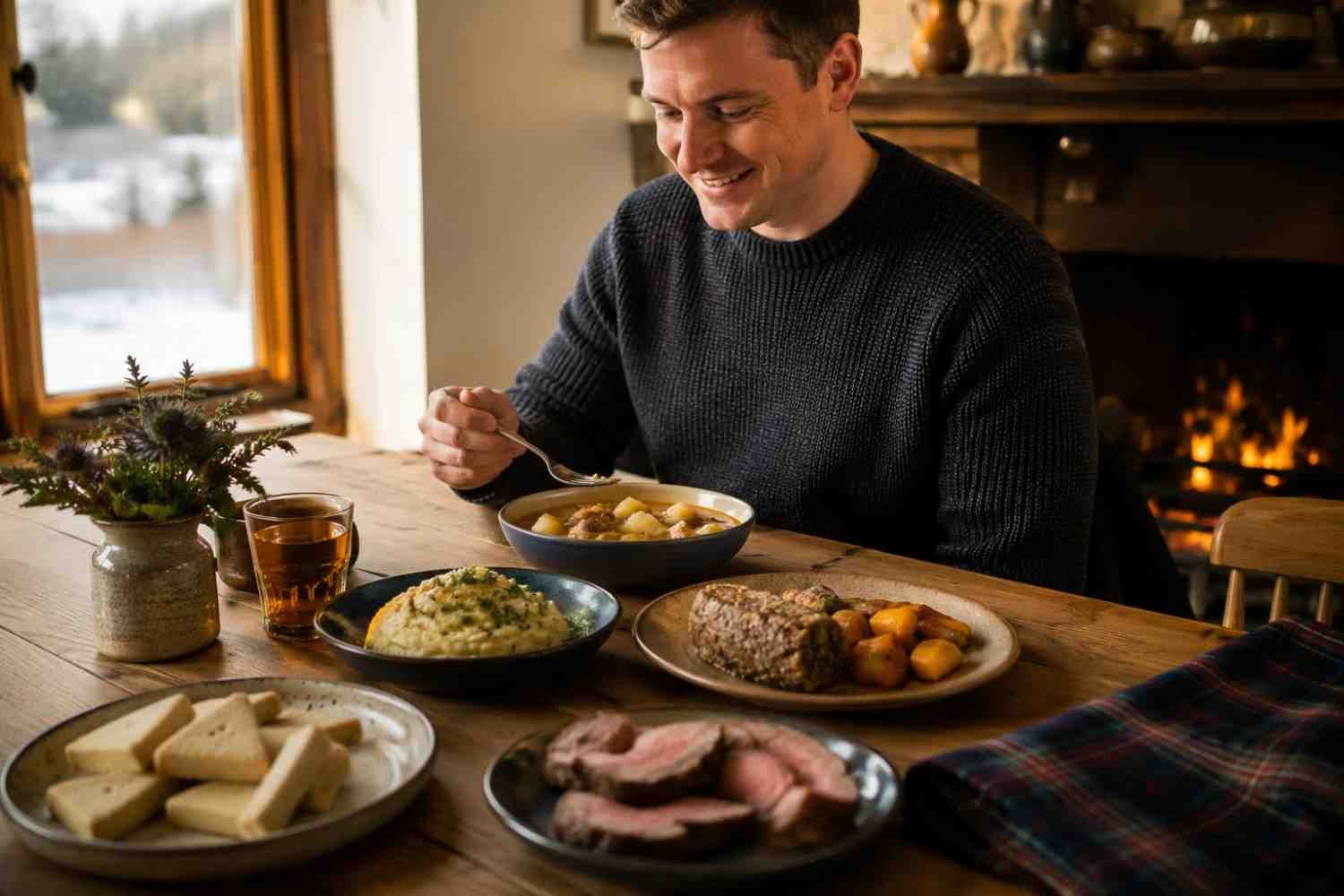
Several dishes have become synonymous with Scottish cuisine, each carrying its own story and regional significance.
Haggis, Neeps, and Tatties
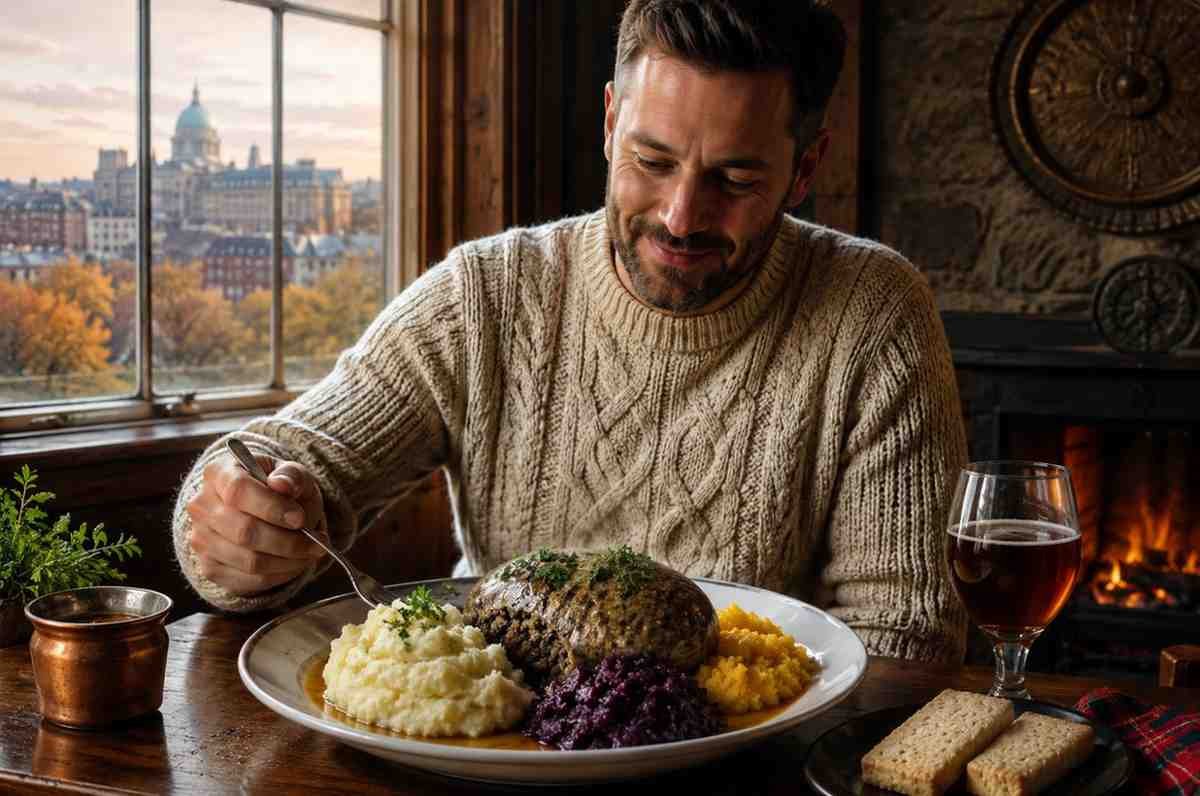
Few foods are more closely associated with Scotland than haggis. Made from minced sheep’s offal, oatmeal, onions, suet, and spices, it delivers a rich, savory flavor and distinctive texture. Served alongside mashed turnips and potatoes, it remains a centerpiece of celebrations and cultural gatherings.
Cullen Skink
This creamy seafood soup originated in the fishing village of Cullen. Combining smoked haddock, potatoes, onions, and milk or cream, Cullen skink offers a deeply satisfying balance of smokiness and richness that reflects Scotland’s coastal traditions.
Stovies
Stovies showcase the practical side of traditional Scottish dishes. Cooks slowly stew potatoes, onions, and leftover roast meat until everything becomes tender and flavorful. The result is a comforting one-pot meal that demonstrates the resourceful nature of Scottish cooking.
Scotch Broth
Among the country’s most enduring comfort foods, Scotch broth combines barley, root vegetables, and lamb or mutton in a slow-simmered soup. Its hearty texture and nourishing qualities make it especially popular during colder weather.
Arbroath Smokies and Black Pudding
Arbroath smokies, a famous smoked haddock specialty, highlight Scotland’s long-standing seafood traditions. Black pudding, meanwhile, remains a staple component of many traditional breakfasts and regional recipes.
The Sweeter Side of Scottish Tradition
Scottish food is not solely about hearty soups and savory meals. The country’s baking and dessert traditions have become equally celebrated over time.
Cranachan stands out as one of Scotland’s most iconic desserts. Combining whipped cream, honey, fresh raspberries, toasted oats, and whisky, it balances richness with freshness while showcasing several ingredients deeply connected to Scottish agriculture.
Shortbread remains one of the most recognizable Scottish exports. Its simple combination of butter, flour, and sugar creates a crumbly texture that has made it a favorite for generations.
Scottish tablet offers a completely different experience. Made by boiling sugar, butter, and condensed milk, it develops a distinctive grainy texture and intense sweetness that many people associate with childhood memories and family celebrations.
More Than Meals: The Cultural Meaning Behind Scottish Food
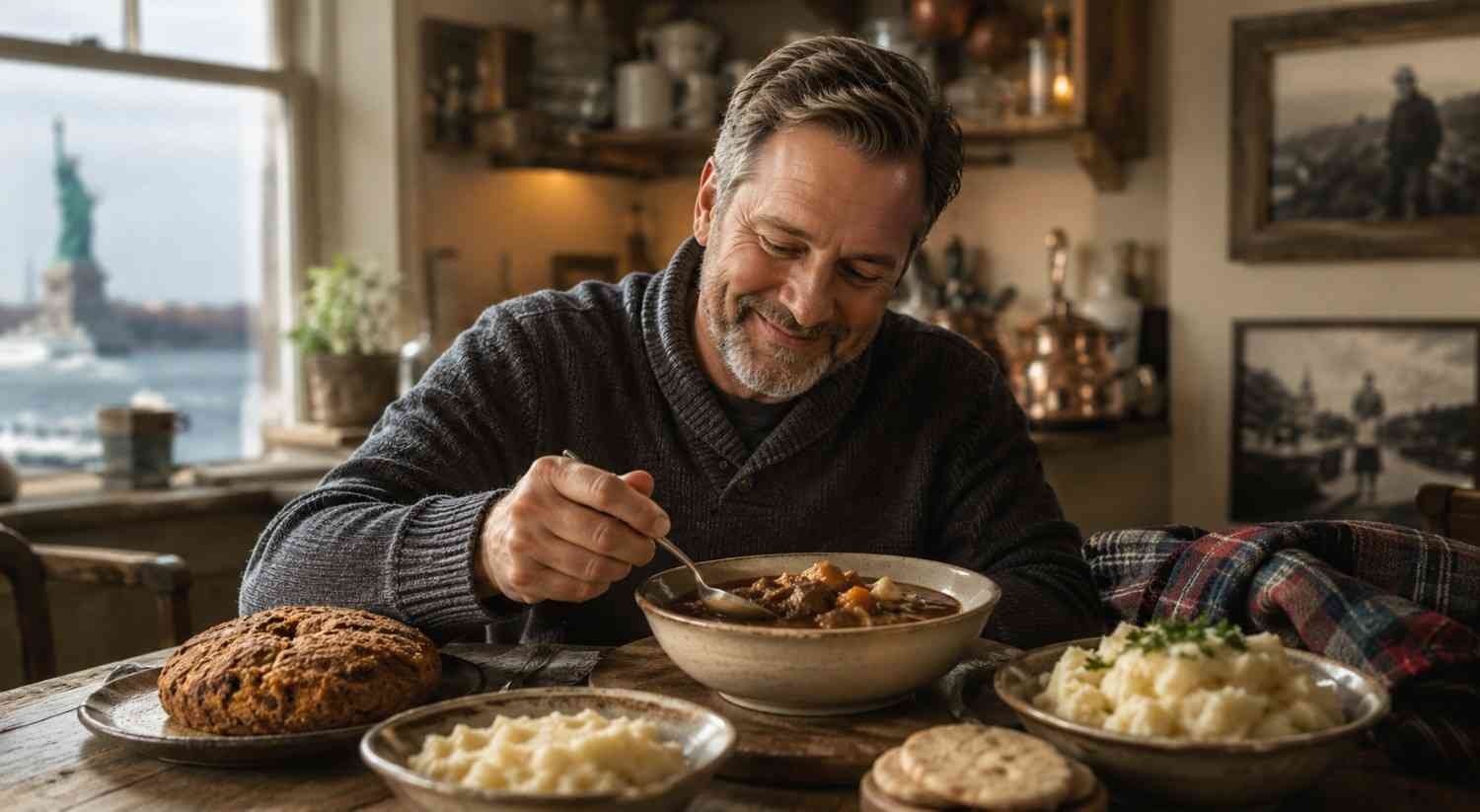
Traditional Scottish food carries significance far beyond nutrition. Family recipes often pass from one generation to the next, preserving stories and traditions that might otherwise fade over time.
Food also plays a central role in celebrations, community events, and seasonal gatherings. Burns Night, for example, famously features haggis as part of a broader cultural celebration. Holiday meals, local festivals, and family reunions continue to highlight classic dishes that connect people to their heritage.
This sense of continuity helps explain why many traditional foods remain relevant despite changing lifestyles and evolving dining preferences.
How Traditional Scottish Food Fits Into Modern Life
Today’s chefs frequently reinterpret classic Scottish recipes while maintaining respect for their origins. Modern restaurants may elevate familiar ingredients through refined presentation or contemporary techniques, yet the core elements remain recognizable.
At the same time, countless households continue preparing traditional meals at home. The enduring appeal of Scottish comfort food comes from its simplicity, accessibility, and ability to bring people together around the table.
As interest in local sourcing and sustainable food systems grows, many traditional practices feel surprisingly current. The emphasis on seasonal ingredients, minimal waste, and regional specialties aligns naturally with modern culinary values.
FAQs: The Comfort, Heritage, and Flavor Behind Traditional Scottish Food
1. What is the most famous traditional Scottish food?
Haggis is widely considered the most famous traditional Scottish food. It has become a national symbol and remains a key part of cultural celebrations and traditional meals.
2. Why are oats so important in Scottish cuisine?
Oats thrive in Scotland’s climate and historically provided a dependable food source. They became essential ingredients in porridge, oatcakes, baking, and many traditional recipes.
3. What seafood is commonly used in traditional Scottish dishes?
Salmon, haddock, shellfish, and various whitefish species have long played important roles in Scottish cooking, particularly in coastal communities.
4. Are traditional Scottish foods still popular today?
Yes. Many classic dishes remain popular in homes, restaurants, and cultural events. Modern chefs often incorporate traditional ingredients and recipes into contemporary menus.
Why These Flavors Continue to Feel Like Home
Traditional Scottish food has endured because it represents far more than a collection of recipes. Every bowl of Scotch broth, plate of haggis, or serving of cranachan reflects generations of adaptation, resilience, and connection to place. These dishes tell stories about fishing villages, farming communities, family kitchens, and celebrations that helped shape Scotland’s identity. Their lasting appeal comes from the way they combine practicality with genuine comfort, creating meals that feel meaningful long after the last bite.
Some foods fill a plate. Traditional Scottish food fills a sense of belonging.