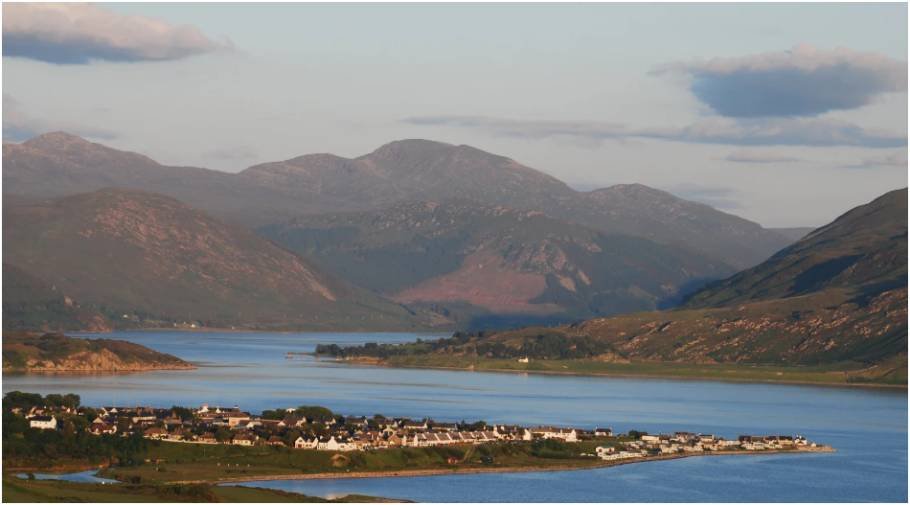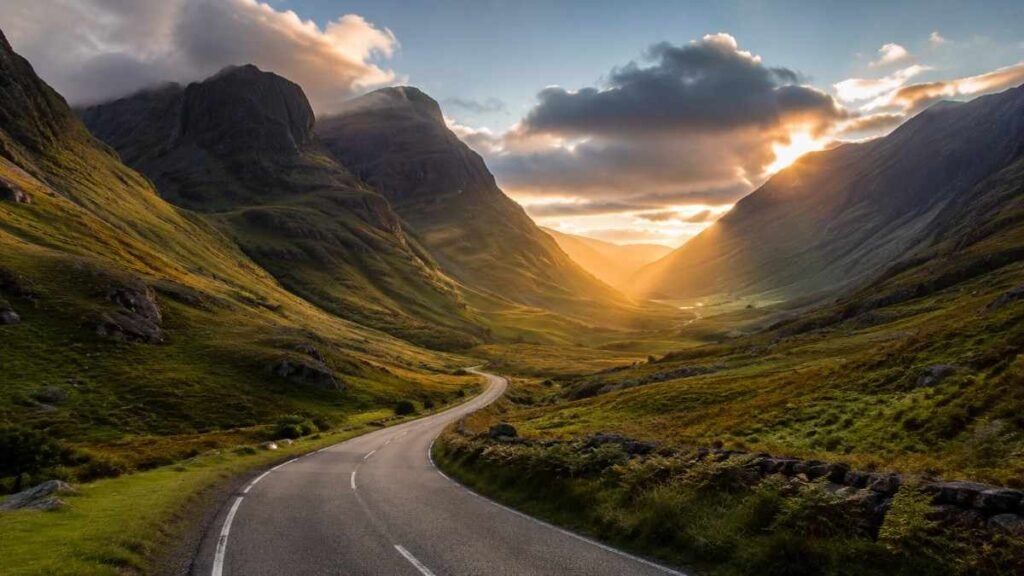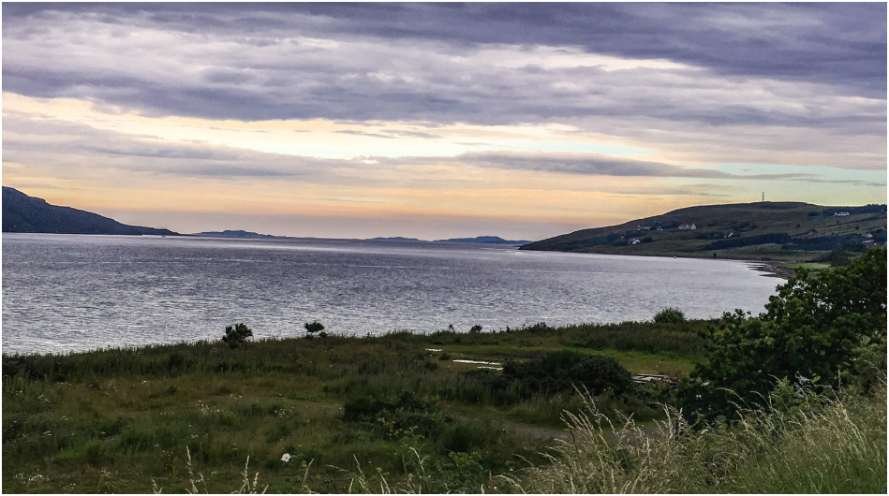
Few travel experiences compare to watching mist roll across a Highland glen or spotting an ancient castle beside a quiet loch. After hearing countless stories from travelers who wished they had planned differently, one thing becomes clear. Knowing what not to do in Scotland as a tourist can help you avoid common mistakes and enjoy a smoother, more authentic Scottish adventure from start to finish.
Key Takeaways
- Avoid rushing through the Scottish Highlands and allow extra travel time.
- Respect Scottish identity, traditions, and local etiquette.
- Pack for changing weather in every season.
- Learn Highland driving rules before renting a car.
- Explore beyond major cities for a richer experience.
Respect Scotland’s Identity
Understanding local culture is one of the most important parts of visiting Scotland.
Don’t Call Scotland Part Of England
Scotland is a distinct nation within the United Kingdom with its own history, traditions, education system, and legal framework.
Many Scots are proud of their national identity. Referring to Scotland as England can come across as uninformed and disrespectful, even if no offense is intended.
Don’t Call People “Scotch”
The word “Scotch” is generally used for products such as Scotch whisky. When referring to people, use “Scottish” or “Scots.” This simple adjustment shows cultural awareness and respect.
Appreciate Local Heritage
Scotland’s history stretches back thousands of years and includes clans, castles, battles, and remarkable cultural traditions.
Showing genuine interest in local history often leads to friendly conversations and memorable experiences.
Avoid Cultural Missteps
A few social mistakes can quickly make interactions uncomfortable.
Don’t Ask About Kilts
Many visitors are curious about traditional Highland dress. However, repeatedly asking men what they wear beneath a kilt is considered a tired tourist joke and is generally best avoided.
Don’t Fake A Scottish Accent
Scottish accents vary widely from region to region. Attempting an imitation may seem playful, but many locals consider it disrespectful rather than amusing.
Avoid Sensitive Debates
Political and religious discussions can sometimes be sensitive topics. Unless a local brings up the subject first, it is usually wise to keep conversations light and friendly.
Follow Local Etiquette
Small acts of courtesy go a long way in Scotland.
Don’t Skip The Queue
Whether you’re at a café, bus stop, attraction, or ferry terminal, always wait your turn. Queue jumping is viewed as rude and inconsiderate throughout the country.
Be Polite In Public Spaces
Scots generally appreciate courteous behavior and good manners. Simple gestures such as saying “please” and “thank you” are always welcomed.
Respect Quiet Communities
Many Highland villages are peaceful places where residents value tranquility. Keeping noise levels reasonable helps maintain positive interactions with locals.
Stay Safe On Highland Roads
Driving through the Scottish Highlands is unforgettable, but it requires preparation.
Don’t Forget To Drive On The Left
Visitors from North America and many other countries often need time to adjust when visiting the Scottish highlands without a car . Remaining focused during the first few hours behind the wheel is especially important.
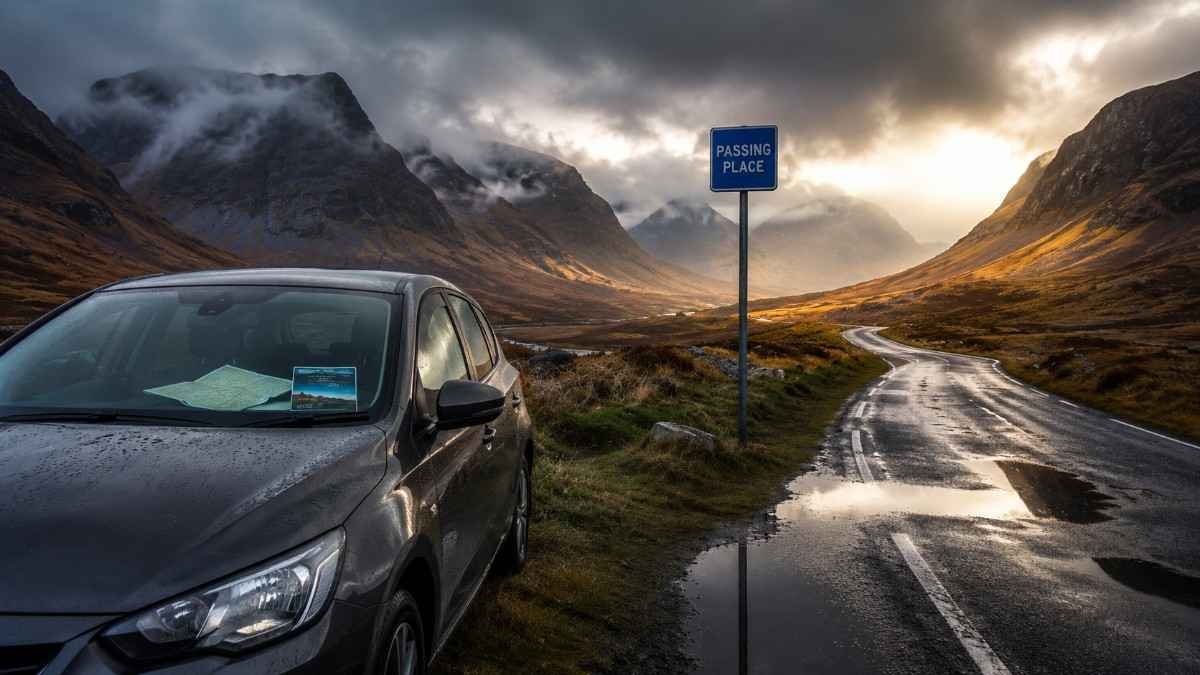
Don’t Ignore Passing Places
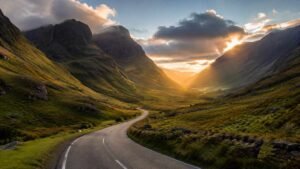
Single-track roads are common throughout the Highlands and islands. Passing places allow vehicles to safely move past one another. Ignoring them can create frustration and dangerous situations.
Don’t Trust Distance Alone
A route that looks short on a map may take much longer than expected. Narrow roads, livestock crossings, scenic stops, and changing weather conditions often slow travel considerably.
Prepare For Scotland’s Weather
Scotland’s climate can change rapidly.
Don’t Pack Only For Sunshine
Even during summer, conditions can shift unexpectedly. Carry all that you need to wear like a waterproof jacket, comfortable walking shoes, and layers are essential items for every visitor.
Expect Four Seasons In One Day
Bright sunshine can quickly turn into rain, wind, or mist. This unpredictability is part of Scotland’s charm, especially in the Highlands.
Dress In Layers
Layering allows you to adapt easily as temperatures fluctuate throughout the day. It is far more practical than relying on heavy seasonal clothing alone.
Don’t Underestimate The Midges
These tiny insects are famous across the Highlands.
Know When They Appear
Midges are most active during warmer months, particularly in summer. They tend to gather near forests, lochs, and sheltered areas with little wind.
Carry Repellent
A good insect repellent can make outdoor adventures much more enjoyable. Many local shops sell products specifically designed for Highland conditions.
Plan Outdoor Activities Wisely
Windy locations and earlier daytime hours often reduce midge activity significantly. Simple planning can improve your overall experience.
Enjoy Scottish Food And Drink Properly
Scotland offers far more than many visitors expect.
Don’t Be Afraid To Try Haggis
Haggis remains one of Scotland’s most iconic dishes. Many travelers are pleasantly surprised after trying it for the first time.
Don’t Put Ice In Single Malt
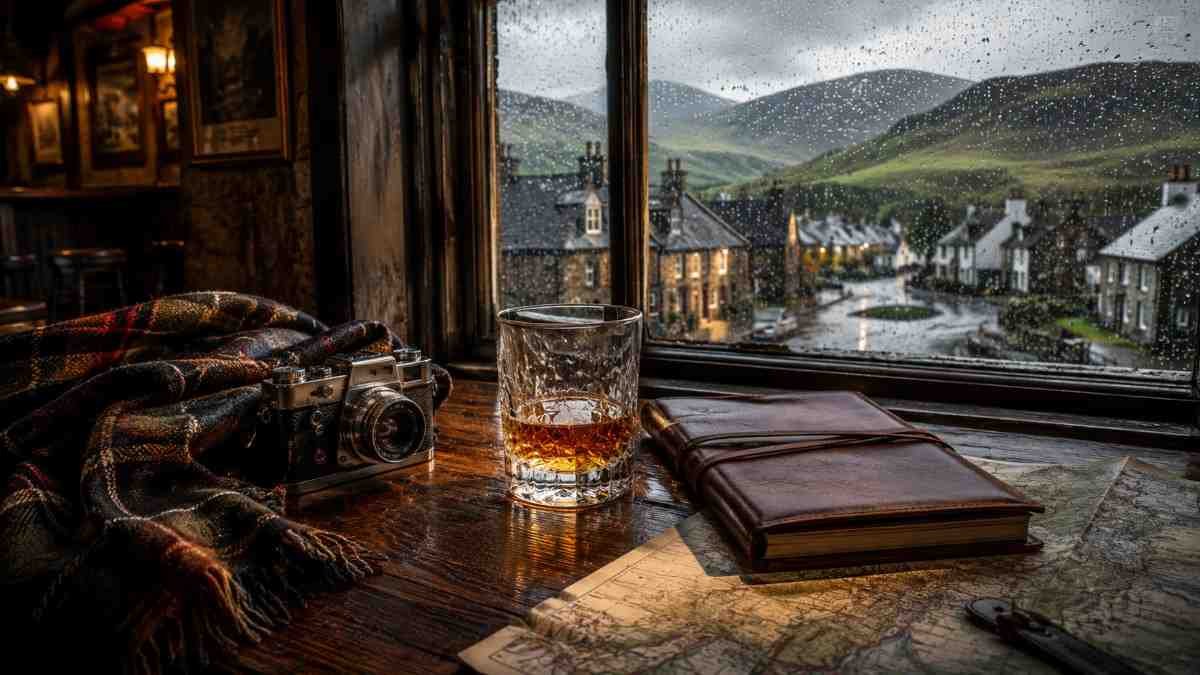
Scottish whisky is traditionally enjoyed neat or with a small splash of water. Large amounts of ice can mask subtle flavors developed during maturation.
Support Local Businesses
Family-run restaurants, bakeries, and cafés often provide some of the most authentic dining experiences in the Highlands. Local recommendations are usually worth following.
Understand Pub Culture
Traditional pubs remain an important part of Scottish social life.
Don’t Ignore The Round System
If you’re spending time with locals, someone may buy a round of drinks for the group. Participating when appropriate is considered good manners.
Be Patient At The Bar
Many pubs operate differently from table-service restaurants. Wait your turn respectfully and order directly at the bar if required.
Enjoy Conversation
Scottish pubs are often valued as much for conversation as for drinks. A friendly attitude can lead to memorable encounters.
Plan Ahead For Popular Attractions
Scotland continues to attract record numbers of visitors.
Don’t Leave Accommodation Too Late
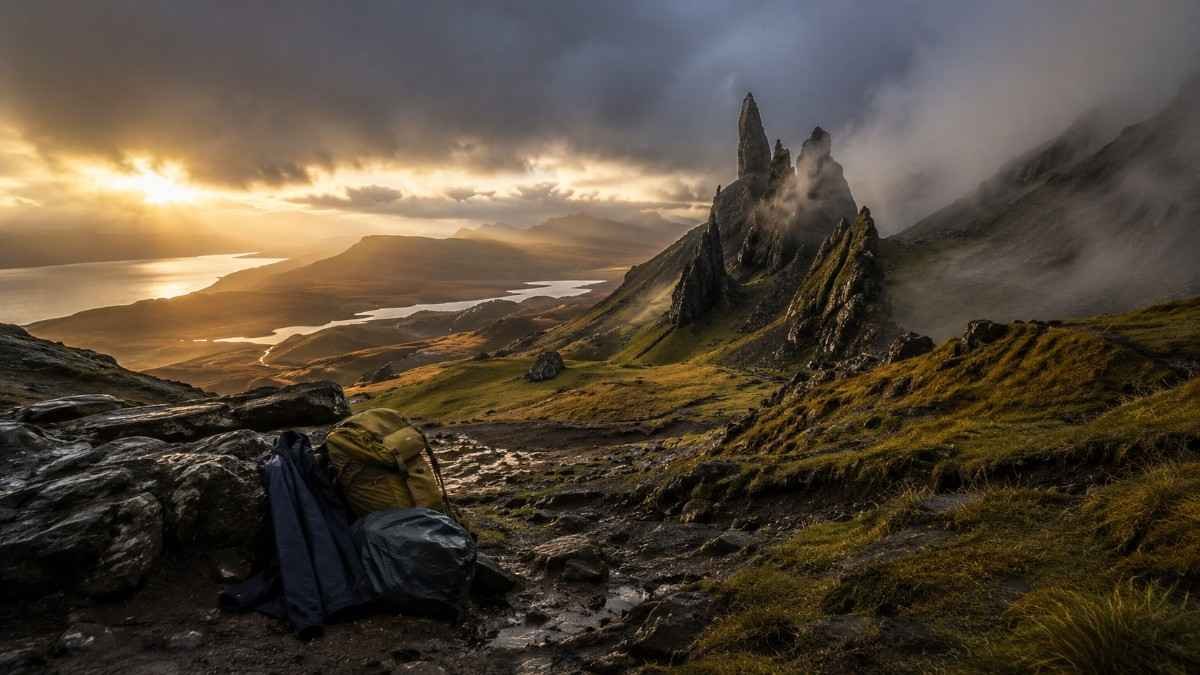
The Scottish Highlands become especially busy during spring and summer. Booking accommodation early provides more choices and often better value.
Reserve Distillery Tours
Many famous whisky distilleries operate on limited tour schedules. Advance reservations are strongly recommended during peak travel periods.
Check Ferry Timetables
Island adventures often depend on ferry services. Weather and seasonal schedules can affect departure times.
Explore Beyond The Cities
Edinburgh and Glasgow are excellent destinations, but they represent only part of Scotland’s appeal.
Don’t Limit Yourself To Edinburgh
Many visitors spend their entire trip in the capital. While Edinburgh is remarkable, the Highlands reveal landscapes and traditions that feel completely different.
Discover Hidden Highland Gems
Places such as Applecross, Plockton, Torridon, and Dornoch offer incredible scenery with fewer crowds. These destinations often become travelers’ favorite memories.
Visit The Islands
The Isle of Skye, Mull, Harris, and Orkney each offer unique experiences. Adding even one island to your itinerary can enrich your trip significantly.
What Not To Do In Scotland As A Tourist: A Simple Approach
Following a few practical steps can help you avoid most common mistakes.
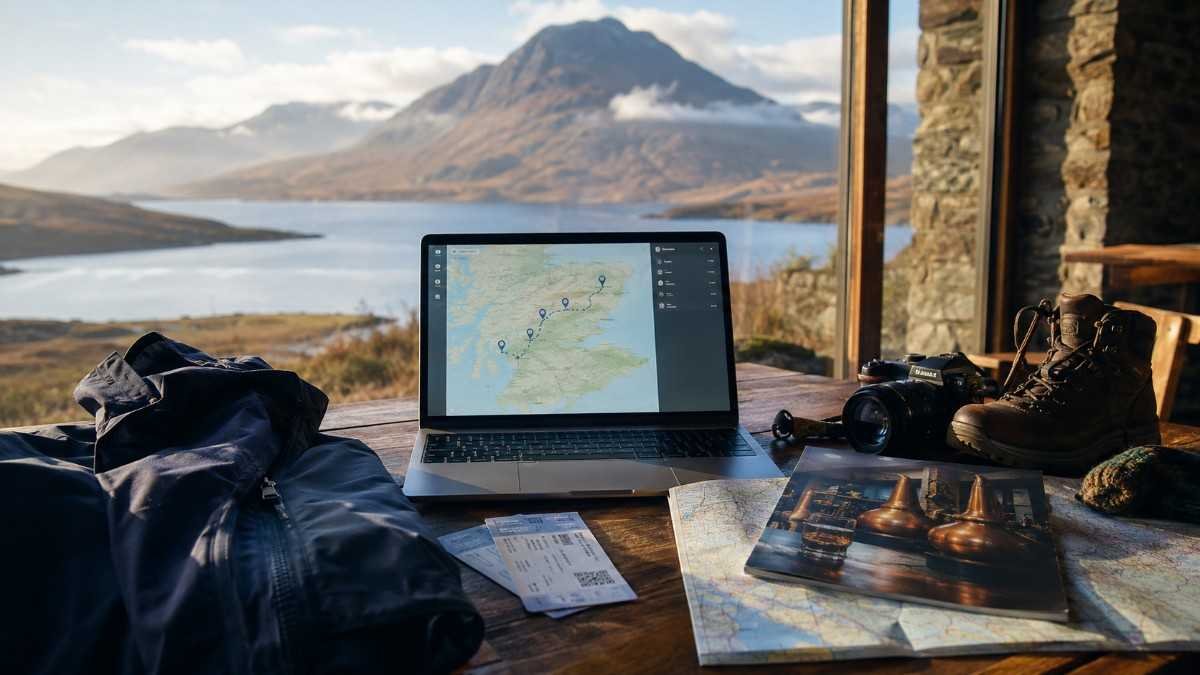
Start by creating a realistic itinerary focused on quality rather than quantity. Research Highland traffic rules before arrival and allow extra time between destinations. Pack waterproof clothing regardless of season, pre-book accommodation and popular tours, and remain open to local customs and traditions.
Most importantly, remember that what not to do in Scotland as a tourist is often about respecting local culture while embracing the slower pace that makes Scotland so special.
Frequently Asked Questions
1. What not to do in Scotland as an American?
Americans should avoid assuming Scotland is part of England, speaking too loudly in quiet communities, underestimating driving times, and ignoring local customs. Respectful curiosity is always appreciated.
2. What is considered impolite in Scotland?
Skipping queues, mocking Scottish accents, littering, calling Scottish people English, and repeatedly making jokes about kilts are generally considered impolite behaviors by locals.
3. Can I wear jeans in Scotland?
Yes, jeans are perfectly acceptable throughout Scotland. However, because weather conditions change quickly, it is best to pair them with waterproof layers and practical footwear.
4. Is Scotland friendly to American tourists?
Yes, Scotland is widely regarded as friendly toward American tourists. Visitors who show respect for Scottish culture, history, and local etiquette are usually welcomed warmly.
Leave With Stories, Not Regrets
The beauty of Scotland lies not only in its mountains, castles, and lochs but also in its people, traditions, and unique way of life. Understanding what not to do in scotland as a tourist allows you to experience the Scottish Highlands more respectfully and confidently.
Travel thoughtfully, embrace local customs, and take time to explore beyond the obvious attractions. The result will be a far more rewarding Scottish adventure filled with memories worth sharing for years to come.