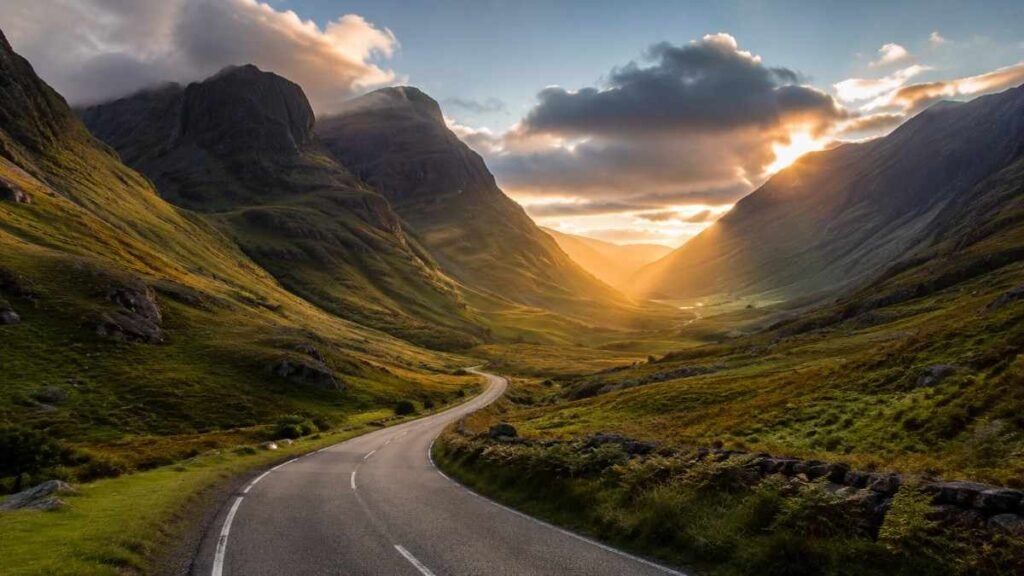
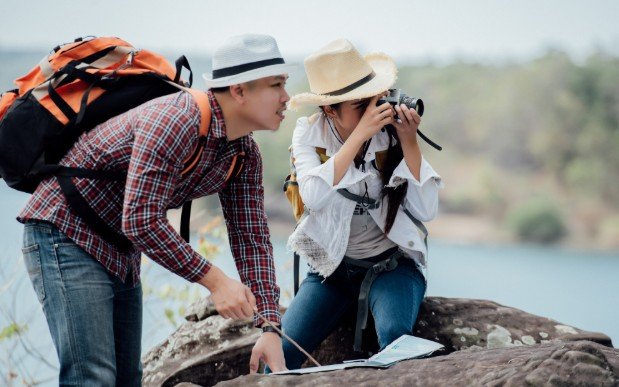
I still remember how exciting my first outdoor trip felt. I wanted fresh air, open trails, scenic views, and a break from normal routines. But I also learned quickly that adventure feels better when safety is planned before the trip begins. Safe Outdoor Adventure Tips for First-Time Travelers can help beginners avoid common mistakes, choose the right activity, and enjoy the outdoors with more confidence.
Outdoor travel does not need to feel risky or complicated. The key is to prepare for the place, the weather, your fitness level, and the activity you choose. A little planning can turn a nervous first trip into a smooth and memorable experience.
Why First-Time Travelers Need a Safety Plan
Many beginners focus on the fun part first: the destination, photos, activities, and packing outfits. Safety often comes later, but it should be part of the first plan. Outdoor conditions can change fast. A sunny trail can become slippery after rain. A short hike can feel harder at higher elevation. A simple kayaking trip can become stressful if wind or currents shift.
A safety plan helps you know where you are going, who knows your route, what supplies you have, and what you will do if plans change. It also helps you avoid choosing an activity that is too difficult for your skill level.
Research the Destination Before You Book
Before booking any outdoor trip, study the location carefully. Look at trail difficulty, weather patterns, road access, park rules, local wildlife, permit requirements, and emergency services nearby. First-time travelers should avoid remote or highly technical adventures unless they are going with trained guides.
Also check sunrise and sunset times. Many beginners underestimate how quickly darkness can change an outdoor route. If you are hiking, camping, or driving through rural areas, plan to finish your main activity before daylight fades.
Choose Beginner-Friendly Outdoor Activities
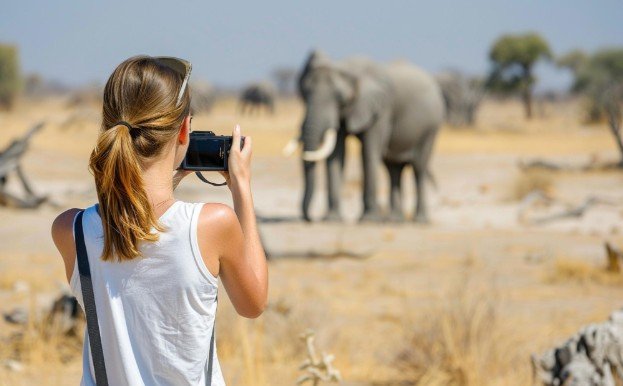
Your first adventure does not need to be extreme. Start with activities that match your comfort level. Easy hiking trails, guided nature walks, calm-water kayaking, beginner camping, scenic bike routes, and wildlife viewing tours are good options.
Avoid advanced climbing, backcountry camping, difficult mountain hikes, whitewater rafting, or long-distance trails unless you have training or professional support. The goal of your first trip is to build confidence, not test your limits too hard.
If you are booking a guided experience, choose licensed operators with clear safety policies, trained guides, proper equipment, and good reviews. Ask about group size, emergency plans, weather cancellations, and what beginners should bring.
Check Weather, Terrain, and Local Alerts
Weather is one of the biggest safety factors in outdoor travel. Check the forecast several times before leaving and again on the morning of your trip. Look beyond temperature. Pay attention to wind, storms, heat warnings, air quality, tides, river levels, snow, and visibility.
Terrain matters too. A two-mile trail on flat ground feels very different from a two-mile uphill route with loose rocks. Read maps carefully and look for elevation gain, trail surface, water crossings, and shade availability.
If the weather turns unsafe, change your plan. Turning back is not failure. It is smart outdoor judgment.
Pack Smart Without Overpacking
First-time travelers often pack too little or far too much. A smart pack should cover safety, comfort, food, water, navigation, and weather changes.
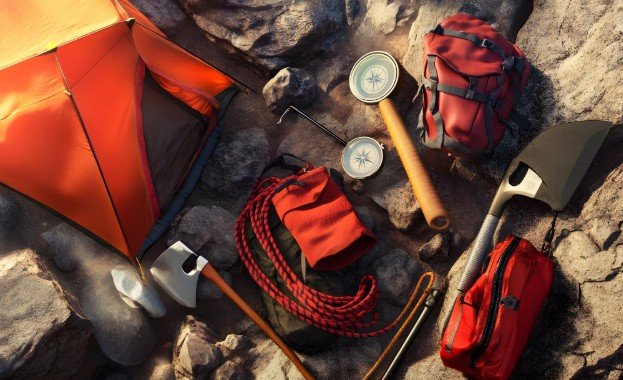
Bring a small first-aid kit, refillable water bottle, snacks, sun protection, rain layer, extra socks, flashlight or headlamp, power bank, whistle, and offline map. Wear comfortable shoes suited to the activity. Avoid new shoes on long walks or hikes because blisters can ruin the day quickly.
For longer trips, add portable water purification tablets or a filter, a warm layer, insect protection, basic repair items, and any personal medication. Keep important items easy to reach instead of buried deep in your bag.
Share Your Route and Emergency Plan
Always tell someone where you are going and when you expect to return. Share your route, parking area, tour company details, campsite name, and planned check-in time. If phone service may be weak, download maps before you leave.
Do not rely only on your phone. Batteries drain faster in cold weather, remote areas, and heavy camera use. Carry a power bank and keep your phone protected from water and extreme temperatures.
For remote trips, consider a satellite messenger or personal locator device. It may feel unnecessary for simple outings, but it can be useful when cell service disappears.
Stay Within Your Fitness and Skill Level
Outdoor trips become risky when travelers ignore their limits. Choose routes and activities based on your current fitness, not your ideal fitness. Take breaks, drink water, eat snacks, and watch for signs of fatigue.
If you feel dizzy, overheated, unusually cold, short of breath, or confused, stop and reassess. Do not push forward just because others are moving faster. A safe pace is better than a rushed adventure.
Group travel also needs balance. Stay together, communicate often, and avoid splitting up unless everyone has a clear plan and navigation tools.
Wildlife, Water, and Camp Safety
Wildlife encounters are exciting, but distance is important. Never feed animals, approach them, or leave food unsecured. Store snacks and scented items properly, especially in camping areas.
Water safety also matters. Do not drink untreated water from lakes, rivers, or streams. Wear life jackets for boating, kayaking, paddleboarding, or rafting. Avoid swimming in unfamiliar water where currents, rocks, depth, or temperature may be dangerous.
If camping, set up before dark, keep food away from sleeping areas, follow fire rules, and know how to leave the site clean. Respecting nature keeps both travelers and outdoor spaces safer.
Frequently Asked Questions
1. What are the most important Safe Outdoor Adventure Tips for First-Time Travelers?
Start with destination research, weather checks, beginner-friendly activities, proper gear, enough water, offline maps, first-aid supplies, and a shared emergency plan. These basics reduce the most common risks for new outdoor travelers.
2. Is it better to travel alone or with a group for a first outdoor trip?
A group or guided tour is usually safer for a first outdoor trip. You get support, shared supplies, and help if something goes wrong. Solo trips are better after you gain experience.
3. What should beginners avoid on outdoor adventures?
Beginners should avoid difficult trails, poor weather, remote areas without service, unsafe water, unlicensed operators, and activities that require skills they have not practiced.
4. How do I know if an outdoor activity is too hard?
Check distance, elevation, weather, required gear, reviews, and skill level. If the activity requires special training or feels beyond your comfort zone, choose an easier option.
Final Thoughts
I believe outdoor travel should feel exciting, not overwhelming. With the right research, smart packing, realistic choices, and a clear safety plan, a first adventure can become the start of many more. Safe Outdoor Adventure Tips for First-Time Travelers are really about confidence. When I know where I am going, what I need, and how to respond if plans change, I can enjoy the outdoors with a calmer mind and a better experience.