An outdoor adventure only needed excitement, a backpack, and a free weekend. Then I learned that the best trips are not the most rushed or random ones. They are the ones planned with enough care to feel safe, flexible, and unforgettable.
How to Plan an Outdoor Adventure Trip starts with choosing the right destination, matching it to your ability, packing with purpose, and leaving space for the unexpected moments that make nature feel special.
Choose the Right Outdoor Adventure for Your Skill Level
The first step is deciding what kind of adventure actually fits your energy, comfort level, and experience. A beginner may enjoy a scenic day hike, a lakeside camping trip, or a guided kayaking route. Someone more experienced may prefer backpacking, climbing, rafting, mountain biking, or a multi-day trail.
The mistake many travelers make is choosing a trip because it looks impressive online. A better approach is to ask practical questions. How much walking can you handle? Are you comfortable sleeping outdoors? Do you know how to read a trail map? Will weather changes make the route risky?
Your adventure should feel exciting, not overwhelming. Pick a trip that challenges you slightly but does not place you far outside your comfort zone.
Pick a Destination That Matches the Season
A great destination depends on timing. Mountains may be perfect in late summer but snowy and dangerous in early spring. Desert trails may be beautiful in winter but brutal in peak heat. Forests, lakes, rivers, and coastal routes all change with weather, daylight, crowds, and local conditions.
Before you book anything, research the best season for your chosen activity. Check trail conditions, park notices, road closures, water levels, wildlife alerts, and permit rules. If a place is extremely popular, consider visiting during the shoulder season or choosing a nearby alternative with fewer crowds.
Good planning does not remove adventure. It simply helps you avoid preventable problems.
Build a Flexible Outdoor Itinerary
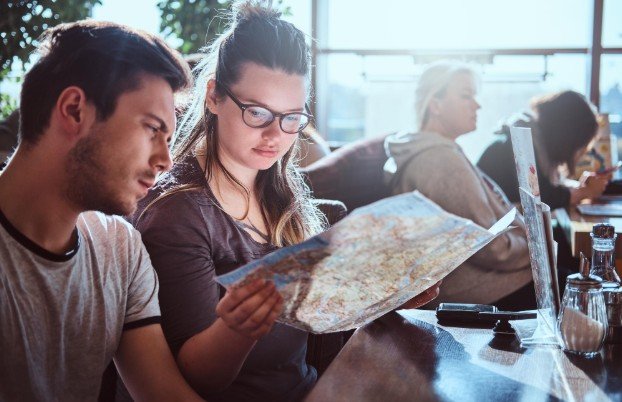
A strong itinerary gives your trip structure without making it feel like a strict schedule. Start with your main activity, then build around it. Add driving time, rest stops, food breaks, sunrise or sunset views, and extra time for slow trails or weather delays.
Avoid packing too many activities into one day. Outdoor trips take longer than expected because terrain, fatigue, parking, and weather can change your pace. It is better to enjoy three meaningful experiences than rush through seven forgettable stops.
Plan Your Budget Before Booking
Outdoor adventure trips can be affordable, but costs add up fast when you forget the small things. Create a budget for transport, fuel, lodging, campsites, park passes, permits, gear rental, meals, snacks, emergency supplies, and travel insurance if needed.
If you are new to outdoor travel, do not buy every expensive item right away. Rent bulky equipment, borrow gear from friends, or choose beginner-friendly activities that require less technical equipment. Spend more on safety essentials such as proper shoes, weather-ready clothing, a first aid kit, reliable lighting, and navigation tools.
A clear budget also helps you decide where to splurge. A guided rafting trip, a better campsite, or a safer pair of hiking boots may be worth more than extra souvenirs.
Pack Smart for Safety and Comfort
Packing can make or break your outdoor adventure. The goal is not to carry everything you own. The goal is to bring what you truly need for the activity, weather, and location.
Start with clothing layers. Choose moisture-wicking base layers, a warm mid-layer, and a rain or wind shell. Avoid relying on one bulky jacket because layers are easier to adjust. Comfortable footwear is essential, especially for hiking, rocky paths, wet ground, or long walking days.
Bring enough water, high-energy snacks, sunscreen, insect protection, a small first aid kit, a headlamp or flashlight, power backup, map access, and emergency contact details. For camping, add shelter, sleeping gear, cooking tools, and food storage. For water activities, use proper safety equipment and check local conditions before entering the water.
Make Safety Part of the Plan
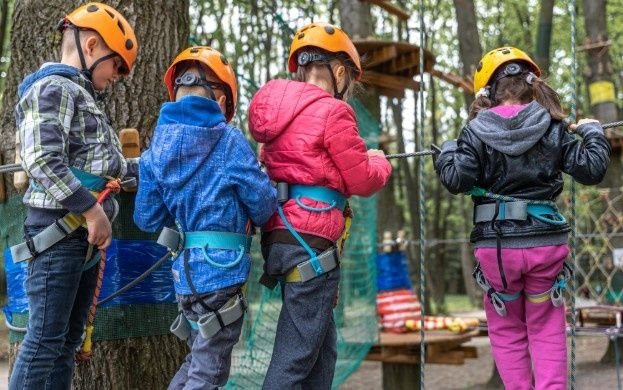
Safety should never feel like a boring extra. It is what gives you the confidence to enjoy the trip fully. Share your route with someone before leaving. Check the weather again on the morning of the trip. Know the nearest help point, visitor center, ranger station, or emergency exit route.
Stay realistic about your limits. Turn back if the weather worsens, daylight is fading, or someone in the group is too tired to continue safely. Many outdoor problems happen because people push forward after warning signs appear.
For group trips, make sure everyone understands the plan. Discuss meeting points, food, water, pace, and what to do if someone gets separated. The best group adventures happen when the slowest person is considered, not ignored.
Respect Nature While You Travel
A memorable outdoor trip should not damage the place that made it beautiful. Stay on marked trails, avoid disturbing wildlife, pack out trash, use designated campsites when required, and follow local fire rules. Do not carve trees, move natural objects unnecessarily, or leave food scraps behind.
Responsible travel also means respecting nearby communities. Shop locally when possible, follow posted rules, avoid overcrowded fragile areas, and choose quieter alternatives when famous locations are overwhelmed. Nature feels more rewarding when you know you helped protect it.
Outdoor Adventure Trip Checklist
Before leaving, confirm your destination, route, weather, permits, transport, food, water, clothing, footwear, emergency supplies, and backup plan. Charge your phone, save offline maps, tell someone your route, and check local alerts. If you are traveling with others, confirm the meeting time, shared gear, and responsibilities.
This simple checklist keeps the trip organized while leaving enough freedom for spontaneous views, quiet trails, and unexpected memories.
Frequently Asked Questions
1. What is the first step in How to Plan an Outdoor Adventure Trip?
The first step is choosing an activity and destination that match your skill level, season, budget, and comfort. Once that is clear, you can plan routes, gear, safety, food, and timing more easily.
2. What should beginners pack for an outdoor adventure?
Beginners should pack water, snacks, weather-ready layers, comfortable shoes, sunscreen, insect protection, a first aid kit, a light source, offline maps, and basic emergency items.
3. How far in advance should I plan an outdoor trip?
For a simple day trip, a few days may be enough. For camping, permits, guided tours, or popular destinations, planning several weeks ahead is much smarter.
4. Is an outdoor adventure better alone or with a group?
Both can be rewarding. Solo trips offer freedom, while group trips add safety and shared memories. Beginners usually benefit from traveling with at least one experienced person.
Final Thoughts
When I think about How to Plan an Outdoor Adventure Trip, I do not see it as removing the thrill. I see it as creating the right foundation for the thrill to happen naturally. A good plan helps you choose the right place, pack wisely, stay safe, respect nature, and enjoy the journey without constant stress.
The best outdoor memories often come from simple things: a quiet trail, a perfect view, a meal after a long hike, or a campfire under clear skies. With smart preparation and a flexible mindset, your next adventure can feel exciting, safe, and genuinely unforgettable.