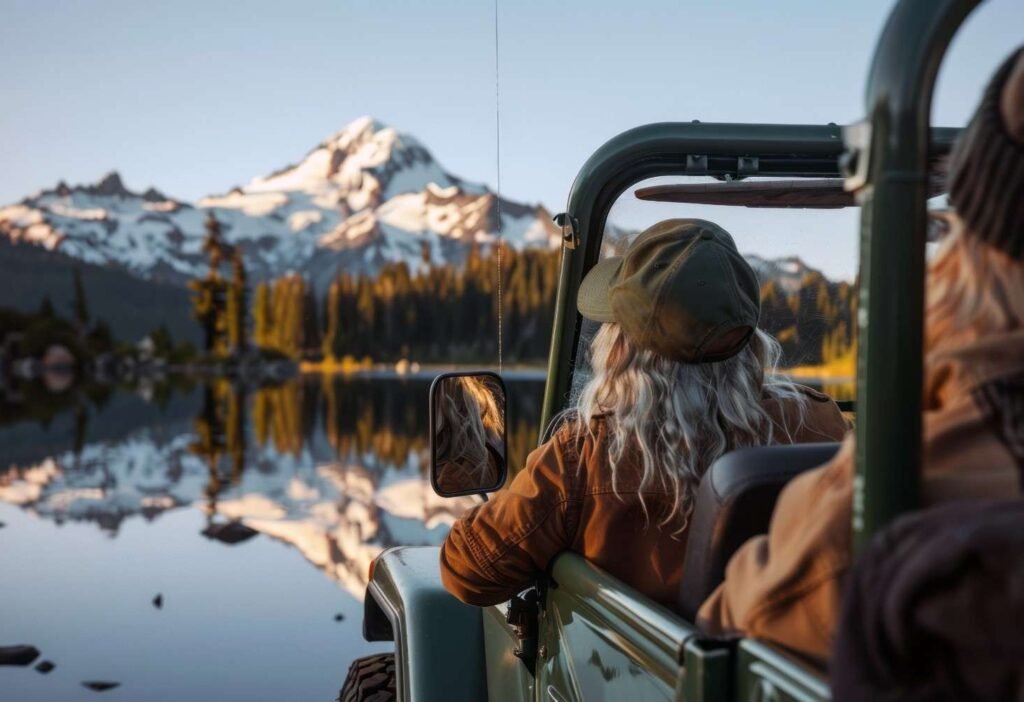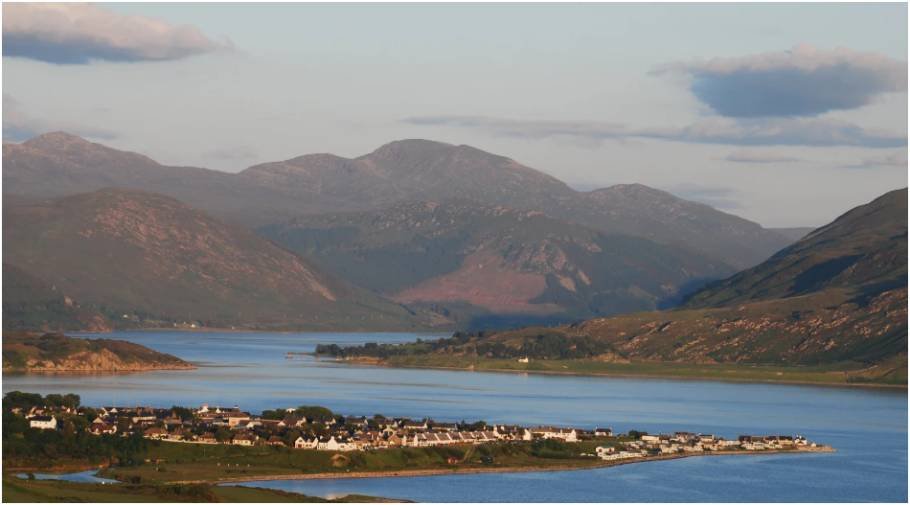
A good Scotland road trip packing list can make the difference between enjoying misty Highland views and feeling cold, wet, and unprepared. I always think Scotland is one of those places where packing smart matters more than packing a lot. For US travelers, the challenge is not just choosing outfits.
You also need to prepare for left-side driving, smaller rental cars, UK plug sockets, remote Highland roads, sudden rain, windy viewpoints, and long scenic stops where shops may be far apart.
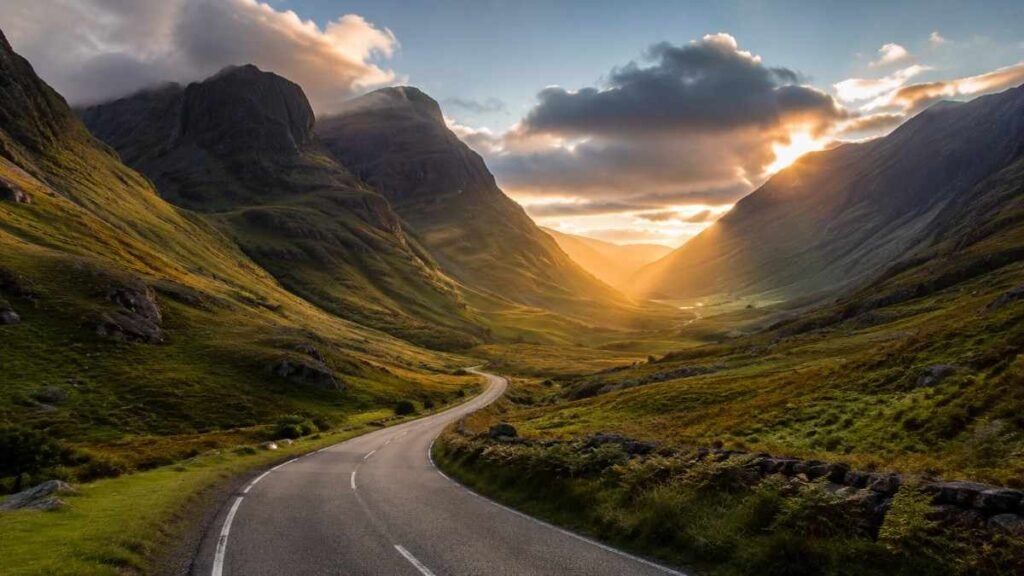
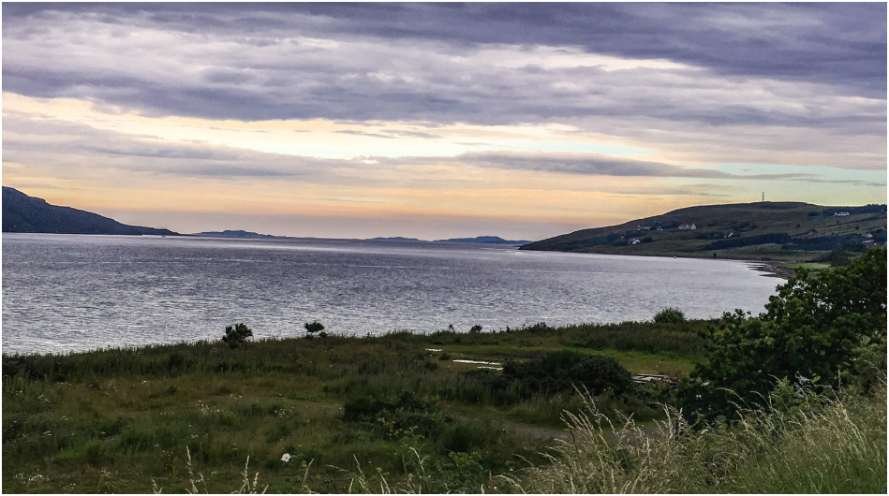
Scotland is beautiful because it feels wild, dramatic, and unpredictable. That same unpredictability is exactly why you need waterproof layers, sturdy shoes, car essentials, and a few road trip items you may not normally pack for a vacation.
Whether your route includes Edinburgh, Glencoe, Loch Lomond, the Isle of Skye, Inverness, or the North Coast 500, this guide will help you pack with confidence.
Why Packing for a Scotland Road Trip Is Different
Packing for Scotland is different because the weather changes quickly and road trips often include a mix of cities, castles, coastal roads, muddy trails, lochs, and remote villages. You may start the morning in a city café, walk across wet castle grounds by noon, stop at a windy Highland viewpoint in the afternoon, and end the day at a cozy pub.
For Americans, there is another layer of planning. Rental cars in Scotland are usually smaller than standard US vehicles, especially if you choose an economy or compact car. Hard-shell oversized luggage can become frustrating when you are moving hotels often or trying to fit bags into a small trunk.
Soft luggage, duffel bags, or flexible suitcases are easier to compress and manage during a multi-stop Scotland road trip.
What Clothes Should You Pack for Scotland?
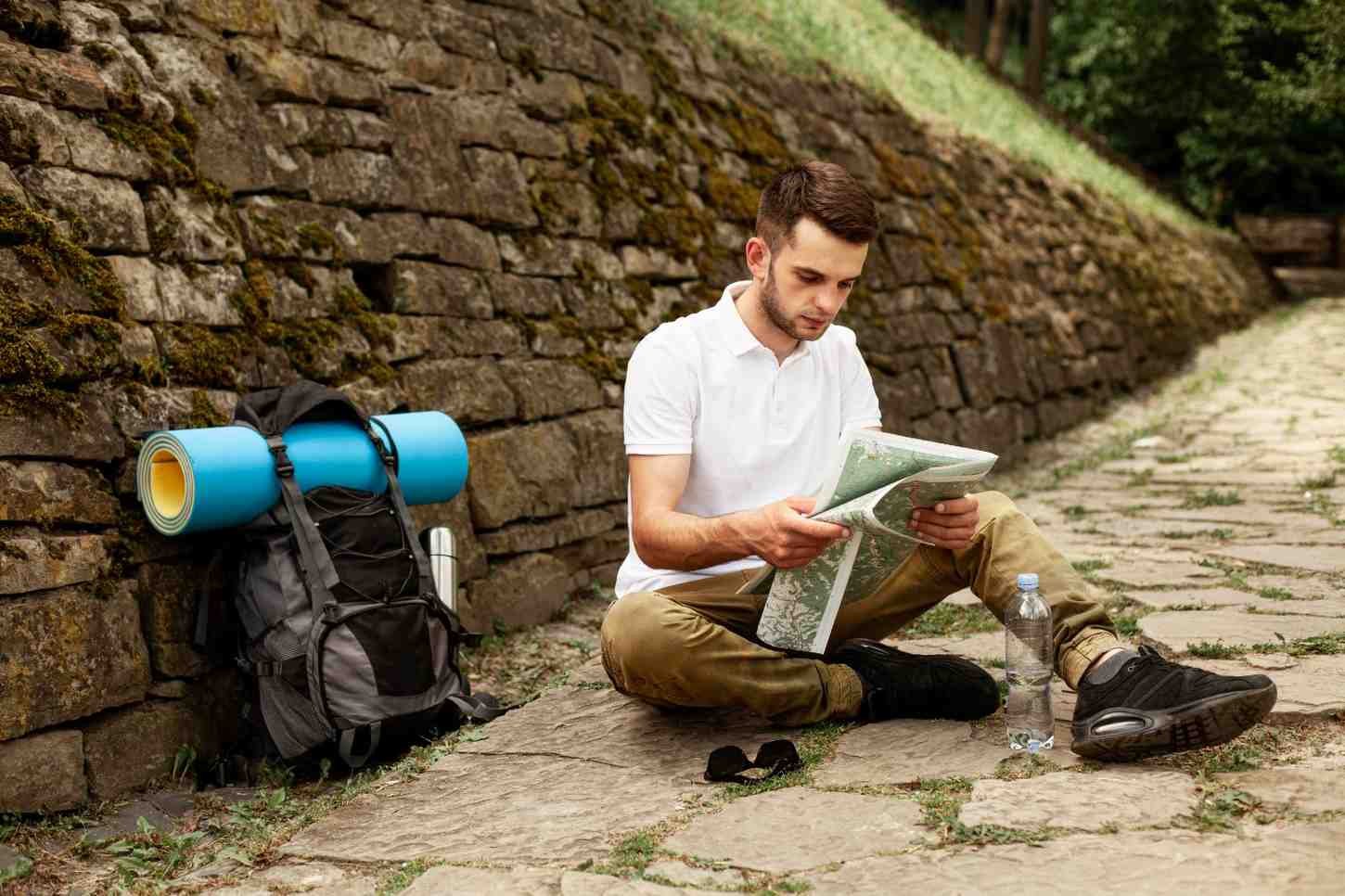
The smartest clothing strategy is the three-layer system. Avoid heavy single garments because they limit flexibility. Scotland rewards travelers who can easily add or remove layers as the weather shifts.
Your base layer should include moisture-wicking Merino wool T-shirts, thermal tops, or quick-dry shirts. These help keep you comfortable when you are walking, hiking, or getting in and out of the car often. Cotton can stay damp for too long, so quick-dry fabrics are usually better for travel days.
Your mid-layer should include insulating fleece pullovers, sweaters, or a lightweight packable down jacket. A fleece is one of the most useful items you can bring because Highland viewpoints, ferry stops, and coastal villages can feel chilly even in summer.
Your outer layer should be a high-quality waterproof jacket with a hood. Windproof protection is a major bonus because Scotland’s rain often arrives with strong wind, especially near the coast, on the Isle of Skye, and along open Highland roads. I would not rely on an umbrella as my main rain protection because wind can make it difficult to use.
For bottoms, pack quick-dry hiking trousers, travel pants, or active leggings. Avoid denim for hiking because it stays wet and uncomfortable. Jeans are fine for city days, casual dinners, and pub evenings, but they should not be your main outdoor clothing.
What Shoes Are Best for a Scotland Road Trip?
Footwear is one of the most important parts of your Scotland packing list. The ground can be wet even when it is not raining, and many popular stops include uneven paths, rocky viewpoints, cobblestone streets, muddy castle grounds, and slippery steps.
Sturdy waterproof hiking boots with high-traction soles are ideal if you plan to hike in Glencoe, Skye, the Cairngorms, or along parts of the North Coast 500. If your itinerary is more relaxed, waterproof walking shoes can still work well. I would also bring comfortable sneakers for casual driving days, city walks, and easy evenings.
Thick wool socks are worth the suitcase space, and I would pack extra pairs. Wet socks can ruin a day quickly. Blister plasters are also essential because Scotland trips often involve more walking than expected, especially on cobblestones, short trails, and castle grounds.
Outdoor Protection for Midges, Sun, and Wind
If you are traveling between May and September, prepare for midges. These tiny biting insects are common in the Highlands, especially near still water, wooded areas, campsites, and during calm evenings. They are small, but they can make outdoor time uncomfortable if you are not ready.
A local repellent like Smidge is a smart purchase once you arrive, and a midge head net is useful if you plan to hike, camp, or spend evenings outdoors. It may not look stylish, but it can save your patience in the wrong conditions.
Sunscreen and polarized sunglasses also belong on your packing list. Scotland may look cloudy, but glare off lochs, wet roads, and open landscapes can be surprisingly strong. Sunglasses also help when driving through bright breaks in the clouds after rain.
Vehicle and Navigation Essentials for Scotland
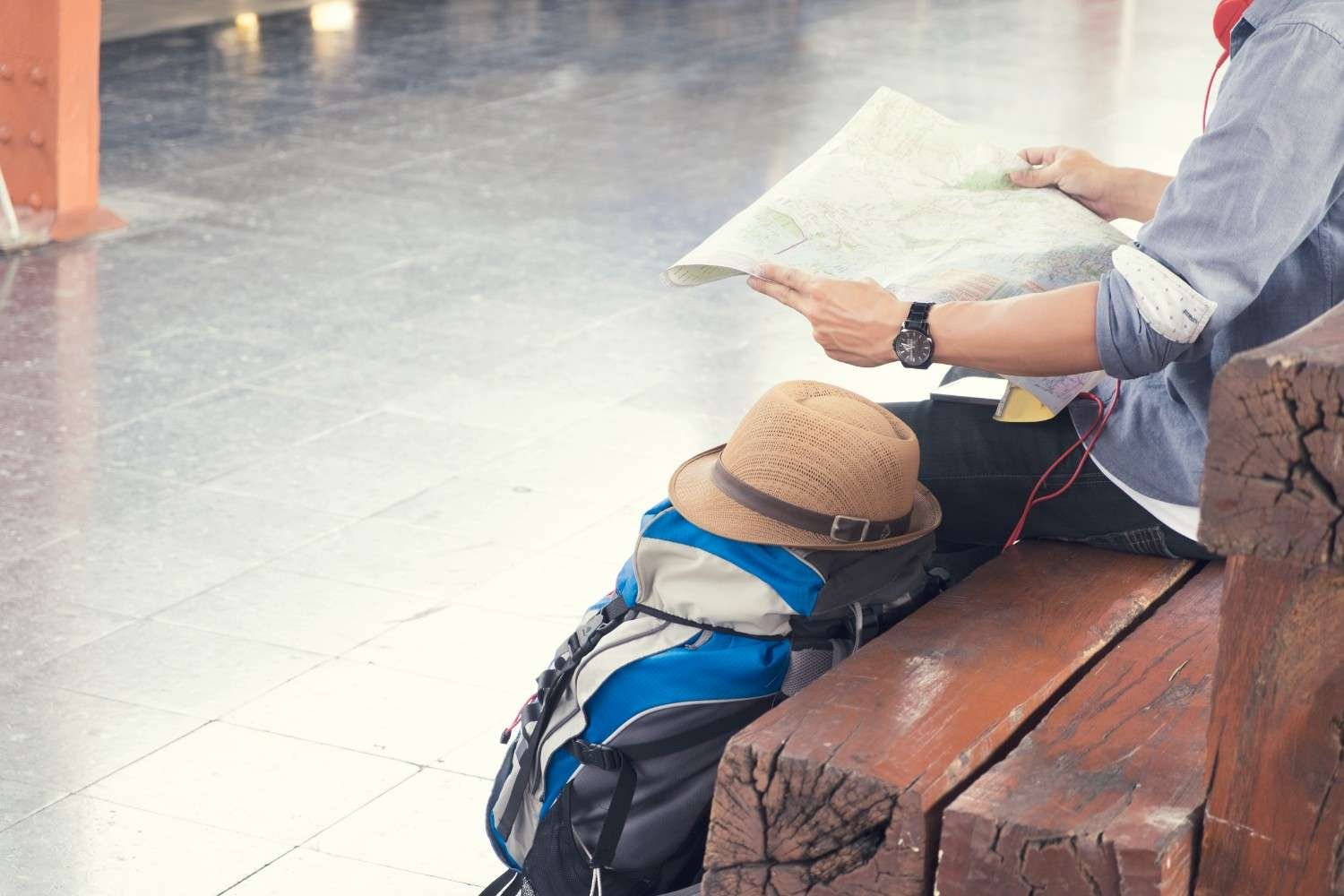
A Scotland road trip packing list should always include driving and navigation gear, not just clothes. Remote glens, mountain passes, and coastal routes often have weak or no cell service. Download offline Google Maps or regional driving routes before leaving major towns.
Pack an in-car charger and a power bank so your phone stays charged while using GPS (Global Positioning System), taking photos, and checking bookings. A phone mount is also helpful if your rental car does not include one. Navigation is easier and safer when your phone is properly mounted.
Motion sickness tablets are worth bringing if you are sensitive to winding roads. Routes around the North Coast 500, the Isle of Skye, and rural Highland areas can include twisting single-track roads, steep sections, and frequent turns.
Keep snacks and a reusable water bottle in the car. Scottish tap water is clean, safe, and highly drinkable, and having water with you is useful during long drives. Shops and cafés can be far apart in remote areas, and opening hours may be shorter than you expect.
Electronics and Travel Essentials for US Travelers
Scotland uses the UK Type G three-pin plug, so US travelers need a Type G power adapter. A universal adapter is even better if your trip includes England, Ireland, or other countries. Bring charging cables, a portable power bank, headphones, and enough phone storage for photos and videos.
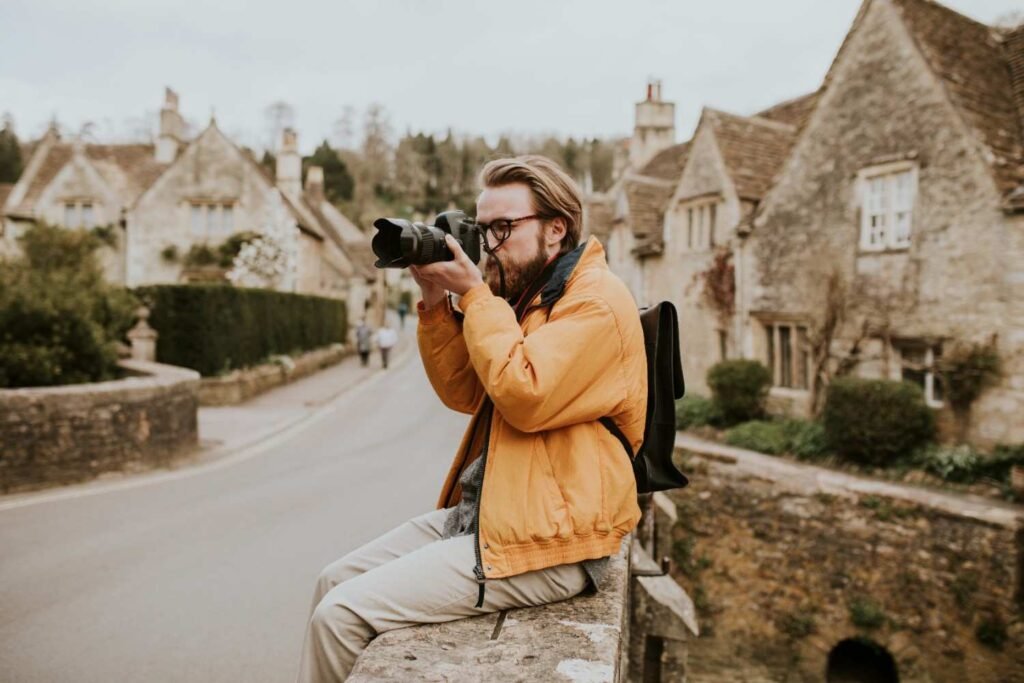
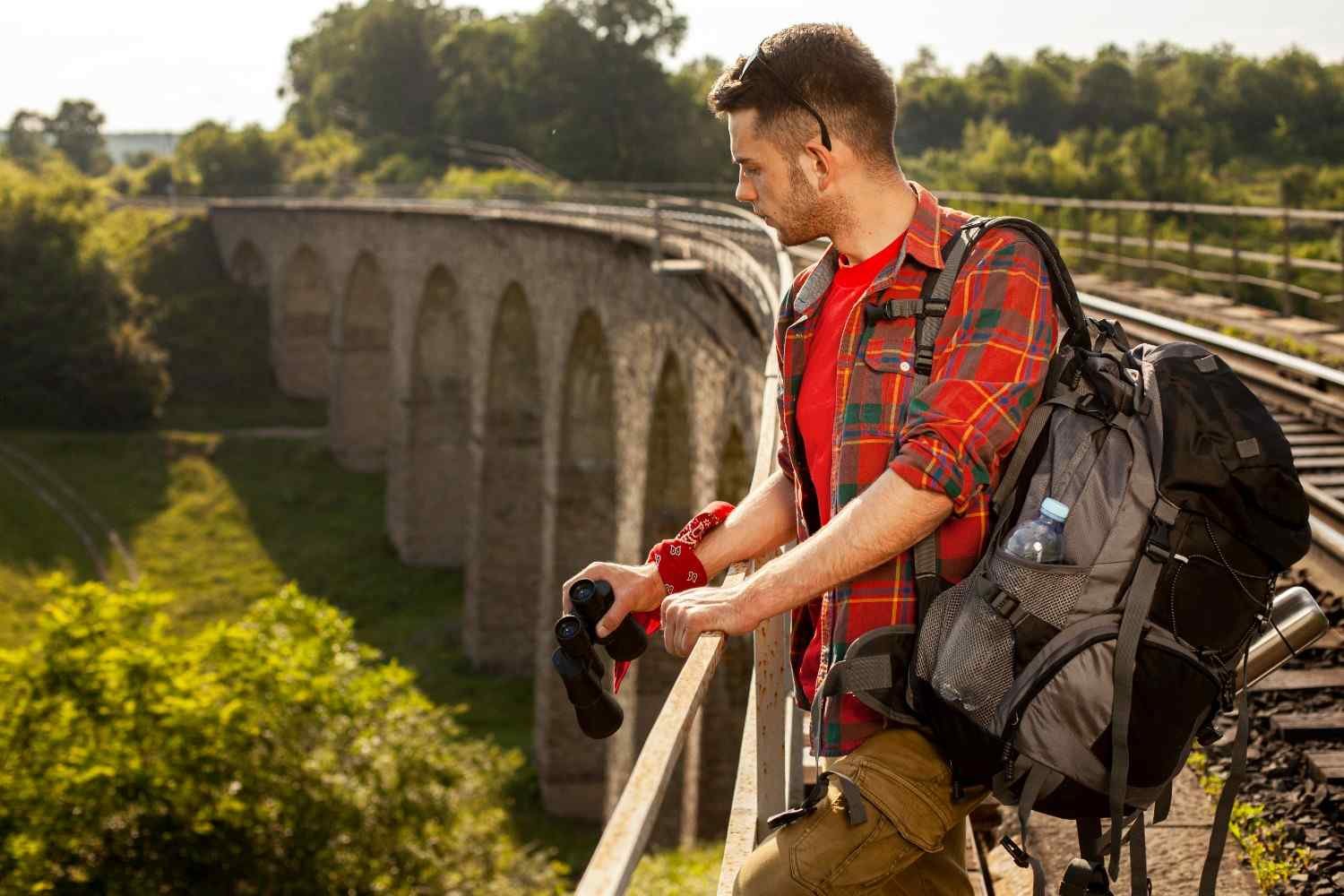
If you enjoy photography, pack a camera, extra batteries, memory cards, a microfiber lens cloth, and a waterproof daypack. A 20 to 30L backpack with a rain cover works well because it can hold your camera, snacks, extra layers, water bottle, and travel documents without feeling too bulky.
You should also carry your passport, US driver’s license, rental car confirmation, travel insurance details, hotel bookings, and a credit card in the driver’s name. A card with no foreign transaction fees is helpful, but I would still carry a small amount of cash for rural parking, small cafés, public toilets, and honesty boxes.
What to Pack for the Highlands, Isle of Skye, and NC500
The Highlands, Isle of Skye, and NC500 need extra preparation because these areas are more remote and exposed. Weather can change quickly, and you may drive for long stretches without major services.
Bring a waterproof daypack, dry bag, midge repellent, head net, extra snacks, water, first aid basics, blister plasters, and backup charging options. If you are hiking, carry an extra warm layer even when the forecast looks mild. Mountain and coastal weather can feel very different from city weather.
For the Isle of Skye, expect wind, rain, and muddy trails around famous stops. For the North Coast 500, expect long drives, narrow roads, and fewer convenience stops. For Glencoe, bring layers because conditions can feel colder in the valley and surrounding viewpoints.
What to Pack by Season in Scotland
Spring is a beautiful time for lighter crowds and fresh scenery, but temperatures can still feel cool. Pack thermal tops, fleece, waterproof shoes, a rain jacket, and a warm hat for mornings.
Summer brings long daylight and popular travel routes, but it does not guarantee warm weather. Pack light layers, waterproof outerwear, sunscreen, sunglasses, midge protection, and comfortable walking shoes.
Fall is one of the best seasons for a scenic road trip because the colors are rich and the roads often feel calmer. Pack warm layers, gloves, a scarf, waterproof footwear, and quick-dry clothing.
Winter requires the most caution. Bring an insulated waterproof coat, thermal layers, gloves, hat, scarf, thick socks, and waterproof boots. Daylight is short, so plan to drive carefully and avoid overloading your itinerary.
What Not to Pack for Scotland
The biggest mistake is trying to see too much. Do not force Edinburgh, Glasgow, Skye, Loch Ness, Inverness, Oban, Mull, the Cairngorms, and the North Coast 500 into one short vacation. Scotland may look small on a map, but Highland roads take time.
Another mistake is treating drive times too literally. A three-hour drive can easily become six hours once you add viewpoints, weather, lunch, fuel stops, slower rural roads, and small detours to Scotland road trip hidden gems. I would rather plan fewer stops and enjoy them properly than rush through every famous place.
FAQs About Scotland Road Trip Packing
1. What should Americans pack for a Scotland road trip?
Americans should pack waterproof layers, sturdy shoes, a Type G adapter, travel documents, rental car details, offline maps, a power bank, midge repellent, and flexible luggage.
2. Do I need waterproof hiking boots in Scotland?
Waterproof hiking boots are strongly recommended if you plan to visit the Highlands, Isle of Skye, Glencoe, or the NC500. Waterproof walking shoes may be enough for lighter sightseeing.
3. Is a Scotland road trip packing list different in summer?
Yes, summer still requires rain gear, layers, midge repellent, sunscreen, and sunglasses. Scotland can feel cool and wet even during July and August.
4. Should I bring cash to Scotland?
Yes, bring a small amount of cash for rural parking, small cafés, public toilets, honesty boxes, and remote areas where card signals may be unreliable.
Final Thoughts
The best Scotland road trip packing list is practical, flexible, and weather-ready. I would focus on waterproof clothing, smart layers, strong footwear, road trip gear, UK adapters, and Highland extras instead of packing too many outfits. Scotland is not the place to dress for perfect weather. It is the place to prepare for changing conditions and enjoy the adventure anyway.
For US travelers, smart packing makes the trip smoother from the first rental car pickup to the final scenic stop. When your clothes stay dry, your phone stays charged, and your luggage fits easily in the trunk, you can focus on what really matters: lochs, castles, coastal roads, Highland views, and the freedom of the open road.