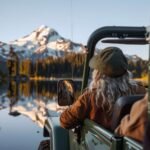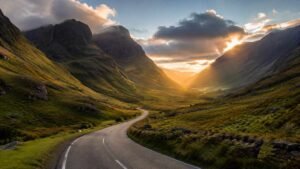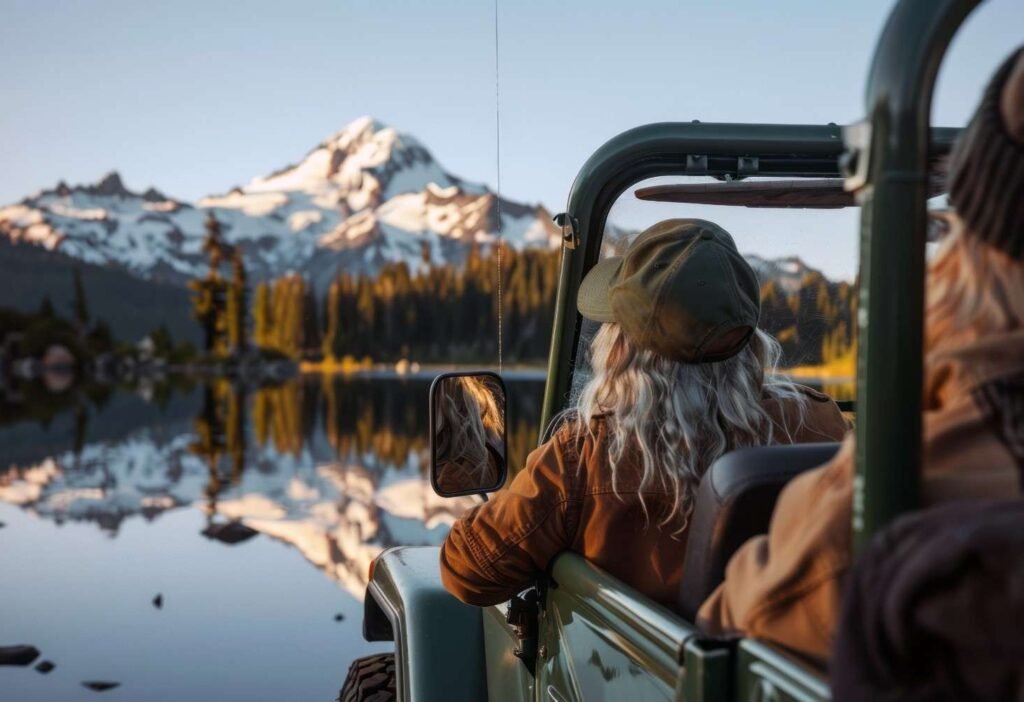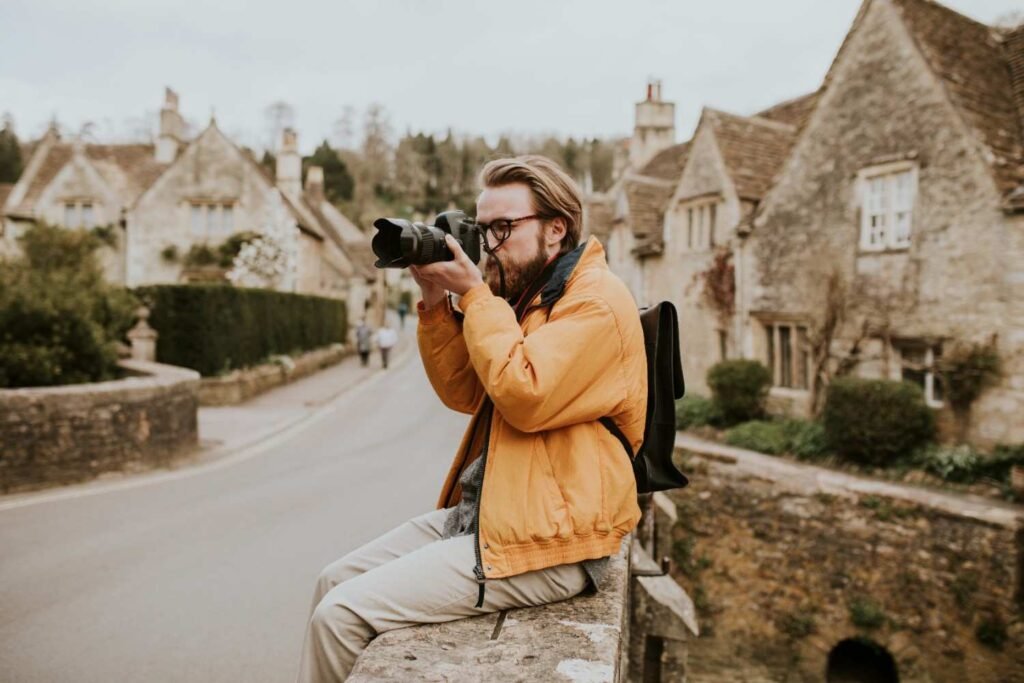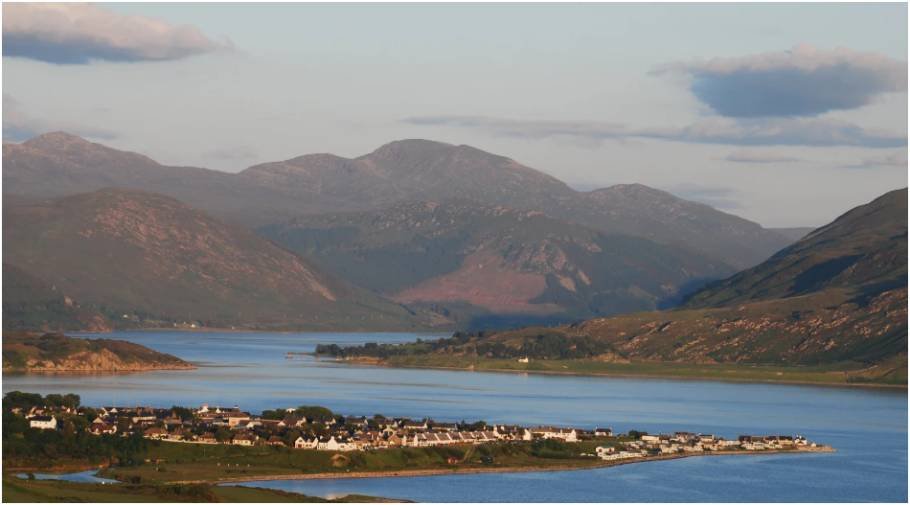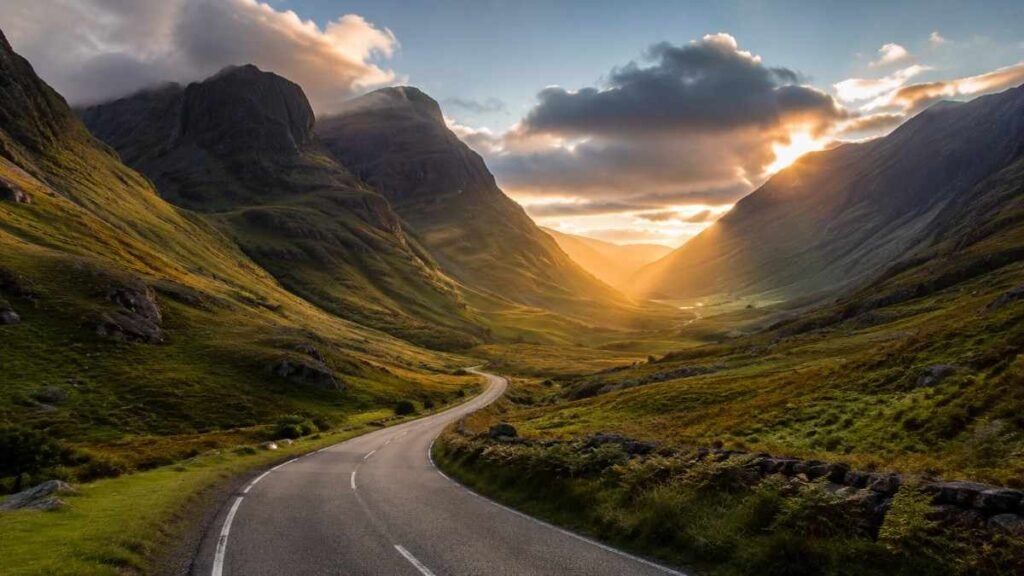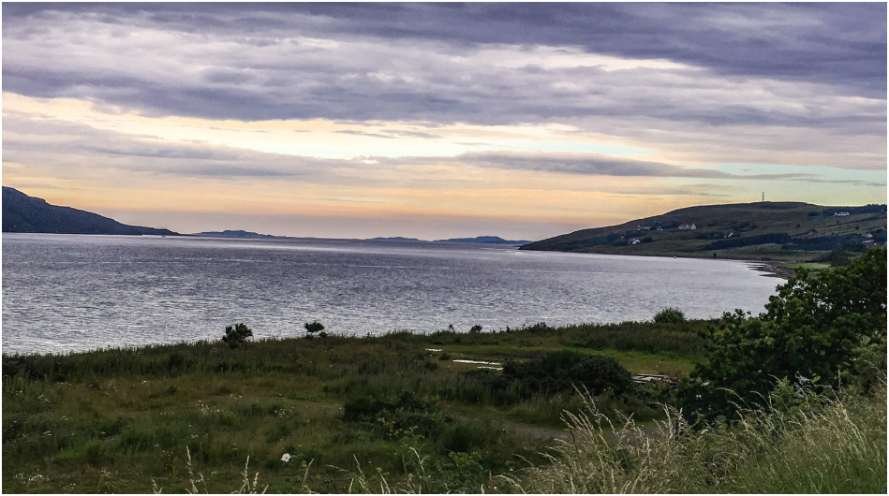
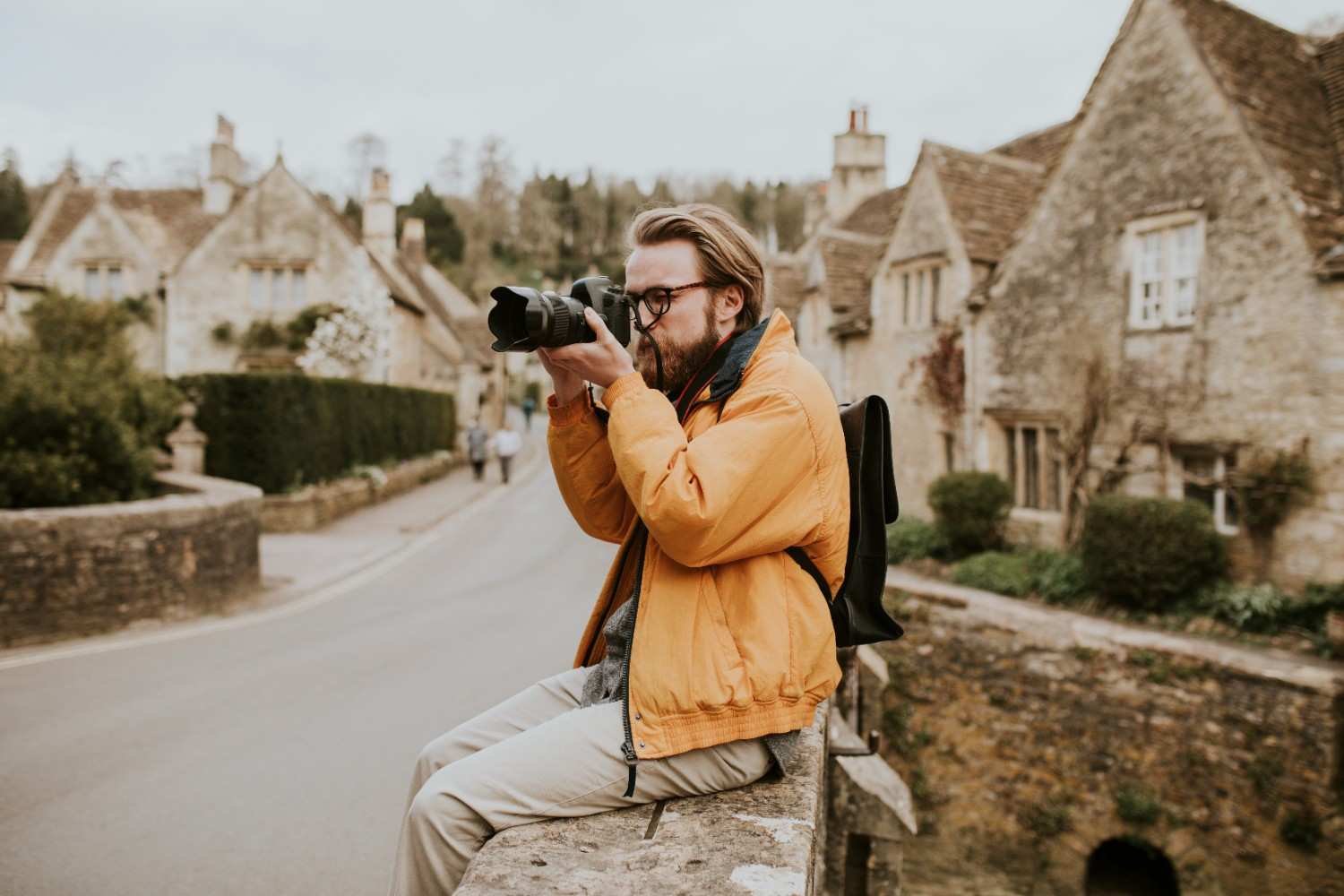
Scotland does not need perfect weather to look breathtaking through a camera lens. In fact, the rain, mist, dark clouds, and sudden breaks of light are what make the Highlands, castles, lochs, and coastal roads feel so cinematic.
That is exactly why a Scotland road trip for photographers can be one of the most rewarding trips for US travelers who want more than ordinary vacation photos.
This route is designed for people who care about timing, composition, road conditions, and photo opportunities. Instead of rushing from one famous viewpoint to another, it helps you follow the light through Edinburgh, Glencoe, the Isle of Skye, Torridon, Assynt, the Cairngorms, and Dunnottar Castle.
Why Scotland Is Perfect for a Photography Road Trip
Scotland is one of the best places in Europe for landscape photography because it rewards patience. Clear blue skies can look pretty, but the real magic comes from low mist, storm clouds, rain breaks, golden light, and reflections on wet roads or lochs. The Highlands, Isle of Skye, Assynt, Glencoe, Edinburgh, and the east coast all offer completely different visual styles.
For US visitors, the main thing to remember is that driving distances can be misleading. A route may look short on the map, but Highland roads are slower, narrower, and more scenic than expected.
That is why a photography-focused itinerary should not be overloaded. The goal is not to reach every famous place. The goal is to be in the right place when the light turns beautiful.
Best Time for a Scotland Photography Road Trip
The best months for a Scotland road trip for photographers are usually May, June, September, and October. May and June offer long daylight hours, green landscapes, and more time for sunrise and sunset photography. September and October bring softer light, autumn color, fewer crowds, and a moodier Highland atmosphere.
July and August are popular, but they can feel crowded around Skye, Glencoe, Edinburgh, and famous castles. They are also more expensive, so US travelers should book rental cars and accommodations early. Winter can be stunning for experienced photographers because of low sun, snow, and dramatic skies, but short daylight hours and possible icy roads make it harder for a first Scotland road trip.
The Ultimate 9-Day Scotland Photography Itinerary
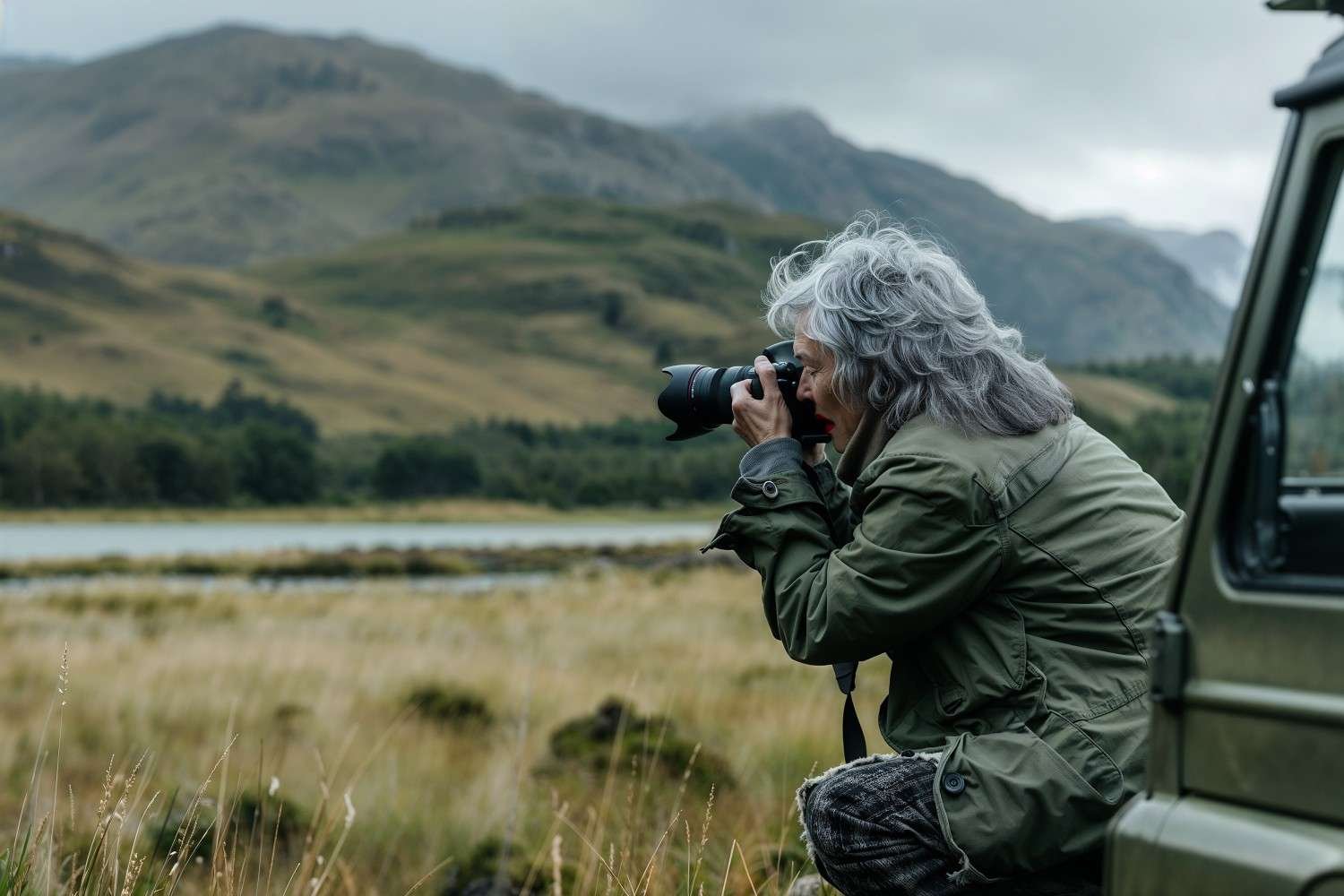
This route starts in Edinburgh, moves through Glencoe and Skye, continues toward Torridon and Assynt, then returns through the Cairngorms and Dunnottar Castle. It gives you cities, castles, mountains, bridges, forests, lochs, sea cliffs, and wild Highland roads.
Day 1: Edinburgh City Photography
Start in Edinburgh before renting a car. You do not need a vehicle in the city, and driving after a long flight from the US is not ideal. Spend the day photographing the Old Town’s gothic architecture, the Royal Mile, Victoria Street, Dean Village and Edinburgh Castle. For golden hour, Calton Hill is one of the best cityscape spots. You can capture the skyline, historic monuments, castle views, and warm evening light over the city. If you have extra energy, Arthur’s Seat also gives wide views across Edinburgh and the coast.
Day 2: Glencoe and Rannoch Moor
Pick up your rental car and drive toward Glencoe through Loch Lomond and Rannoch Moor. This is where the road trip starts to feel cinematic. Rannoch Moor gives you empty wilderness, lonely roads, pools of water, and big skies.
In Glencoe, focus on Buachaille Etive Mòr, one of Scotland’s most iconic mountains. A strong composition is to frame the peak with small waterfalls or streams in the foreground. The Three Sisters viewpoint is also worth stopping for, but the best photos often come from smaller pull-offs along the A82 when the clouds shift and the light breaks.
Day 3: Glenfinnan Viaduct to the Isle of Skye
Drive toward Glenfinnan for one of Scotland’s most famous train photography scenes. The Jacobite Steam Train usually crosses the Glenfinnan Viaduct around late morning and afternoon during its operating season, but always check current schedules before planning your shot. The classic composition captures steam rising as the train curves across the 21-arched viaduct.
After Glenfinnan, continue toward Eilean Donan Castle and then cross to the Isle of Skye. If the tide is calm, Eilean Donan can give you beautiful reflections. Try to arrive on Skye before dark so you can prepare for an early sunrise shoot.
Day 4: Isle of Skye East and Old Man of Storr
Start before sunrise and hike toward the Old Man of Storr. This is one of the most powerful photography locations in Scotland because the basalt spires, ridgelines, and sea mist create a dramatic scene. A wide-angle lens works well here, especially if you want to include foreground rocks and morning light.
Later in the day, explore nearby viewpoints on the Trotternish Peninsula. Skye’s weather changes quickly, so do not give up if the morning begins cloudy. Mist, rain, and sudden light breaks can make the island look even more atmospheric.
Day 5: Quiraing, Fairy Glen, Neist Point, and Sligachan
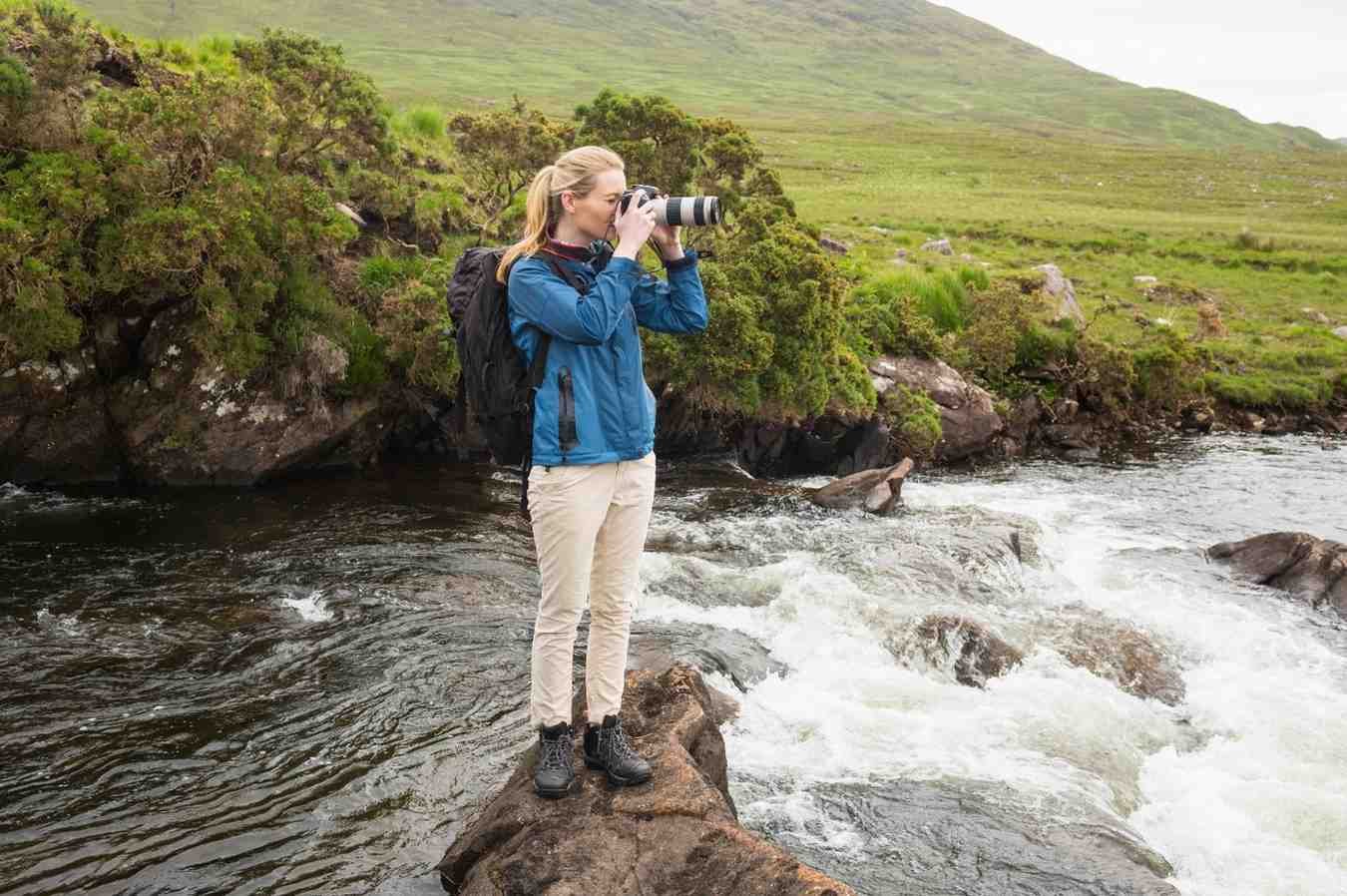
Use this day for some of the best Isle of Skye photography locations. The Quiraing is ideal for ultra-wide landscape shots because the winding landslip, cliffs, and layered hills create an otherworldly frame. Fairy Glen offers softer, smaller-scale compositions with unusual green hills and winding paths.
Sligachan Old Bridge works beautifully in moody conditions, with the Cuillin mountains in the background. End the day at Neist Point Lighthouse if the weather allows. The cliffs, ocean, lighthouse, and winding path create strong leading lines for sunset photography.
Day 6: Eilean Donan Castle to Torridon
Leave Skye and return toward Eilean Donan Castle if you missed it in good light. Dusk can be especially beautiful when the castle reflects in the water and the surrounding hills darken behind it.
Continue toward Torridon for ancient, rugged mountain scenery. Torridon feels wilder and less crowded than Skye, which makes it excellent for photographers who want dramatic Highland landscapes without standing beside dozens of tripods. Look for mountain layers, winding roads, and moody light across the lochs.
Day 7: Assynt and the NC500 Edge
Assynt is one of the strongest additions to a serious Scotland photography itinerary. The landscape feels raw, remote, and unforgettable. You can photograph isolated mountains such as Suilven, dramatic lochs, empty roads, and the architectural curve of Kylesku Bridge.
Kylesku Bridge is especially interesting because its modern shape contrasts with the wild Highland setting. Use the curve of the bridge as a leading line, then look for wider compositions that include water, mountains, and changing skies.
Day 8: Cairngorms National Park
Drive toward Cairngorms National Park for a completely different photography mood. Instead of jagged sea cliffs and island landscapes, you get ancient Scots pine forests, mountain plateaus, wildlife, and mirror-like lochs.
Loch Morlich is a beautiful stop for reflections, especially in calm morning conditions. The Cairngorms are also known for reindeer herds, forest scenes, and winter-like atmosphere in colder months. A telephoto lens helps here, especially for wildlife, compressed mountain layers, and distant details.
Day 9: Dunnottar Castle to Edinburgh
On the final day, photograph Dunnottar Castle before returning to Edinburgh. The clifftop ruins surrounded by the North Sea make this one of Scotland’s most dramatic castle locations. Waves, clouds, and coastal wind can add movement and mood to your images.
Try to arrive early or late in the day for better light. Midday can still work if the weather is dramatic, but sunrise or sunset gives the castle a stronger atmosphere. Afterward, return to Edinburgh for your final night or onward flight.
Essential Camera Gear for Scotland
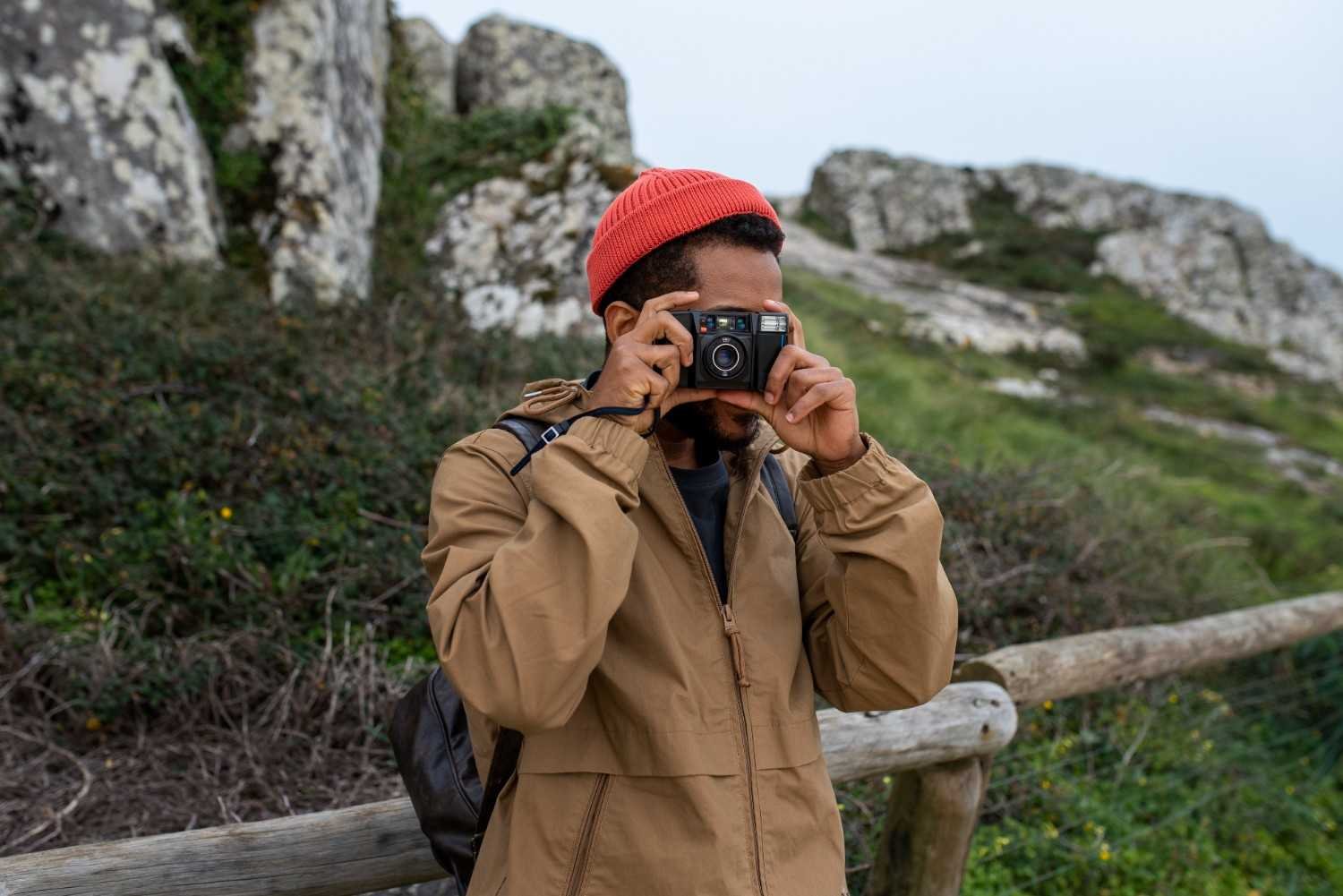
For a Scotland road trip for photographers, I would pack a 16-35mm wide-angle lens for mountain vistas, castles, sea cliffs, and dramatic foregrounds. A 70-200mm telephoto lens is useful for compressing mountain layers, isolating distant subjects, and photographing wildlife such as Highland cows, stags, or birds.
A circular polarizer is extremely useful in Scotland because it helps reduce glare on wet rocks, water, and reflective surfaces. Neutral density filters help smooth waterfalls, lochs, and coastal waves. A heavy, sturdy tripod is also important because Highland winds and coastal cliffs can easily cause camera shake.
Protection matters as much as lenses. Bring a storm cover for your camera, microfiber cloths, a dry bag, waterproof boots, warm layers, and spare batteries. Scotland’s weather changes by the minute, and mist or rain is part of the experience.
Driving and Logistics Tips for US Travelers
If you are visiting from the US, book an automatic rental car unless you are confident driving a manual on the left side of the road. Many Highland and Skye roads are narrow, winding, and slower than they appear on maps.
Single-track roads are common on the west coast and islands. Use passing places correctly, check your mirrors often, and let faster locals pass. Never stop in a passing place for photos. Wait for a safe parking area or proper pull-off.
Midges can be a real problem from May to September, especially during calm dawns and dusks. Bring insect repellent and a fine-mesh head net if you plan to wait outdoors for long exposures. It may not look glamorous, but it can save your sunrise shoot.
Frequently Asked Questions (FAQs)
1. What is the best Scotland photography itinerary for first-time visitors?
The best route starts in Edinburgh, continues through Glencoe, Glenfinnan, Isle of Skye, Torridon, Assynt, Cairngorms, and Dunnottar Castle before returning to Edinburgh.
2. How many days do photographers need in Scotland?
Nine days is ideal for a strong first trip because it gives you time for Skye, Glencoe, Assynt, castles, weather changes, and slower Highland roads.
3. Is the Isle of Skye worth it for photography?
Yes, Isle of Skye is one of Scotland’s best photography regions because it has the Old Man of Storr, Quiraing, Neist Point, Fairy Glen, Sligachan, cliffs, and sea views.
4. What camera gear should I bring to Scotland?
Bring a wide-angle lens, telephoto lens, tripod, CPL filter, ND filters, storm cover, microfiber cloths, waterproof boots, spare batteries, and warm layers.
5. What should US drivers know before a Scotland road trip?
US drivers should book an automatic car, drive on the left, respect single-track passing places, avoid rushing distances, and allow extra time for scenic stops.
Final Thoughts
Scotland rewards photographers who slow down. The best images often happen when rain clears, mist lifts, or a beam of light hits a mountain for a few seconds. That is why this route gives you time for both iconic locations and quieter moments.
For US travelers, the smartest approach is simple: rent the right car, stay near your sunrise locations, pack for rough weather, and avoid rushing the Highlands. Use a practical Scotland road trip packing list before you leave so you have waterproof layers, camera protection, sturdy shoes, and backup gear ready for changing conditions.
With the right plan, Scotland gives you castles, lochs, wild roads, coastal cliffs, and landscapes that feel impossible to forget.